A Sweet 16 quilting machine is a 16-inch throat space longarm quilting machine designed for home quilters who want professional-quality results. This machine allows you to quilt large projects with more space and precision than regular home sewing machines.
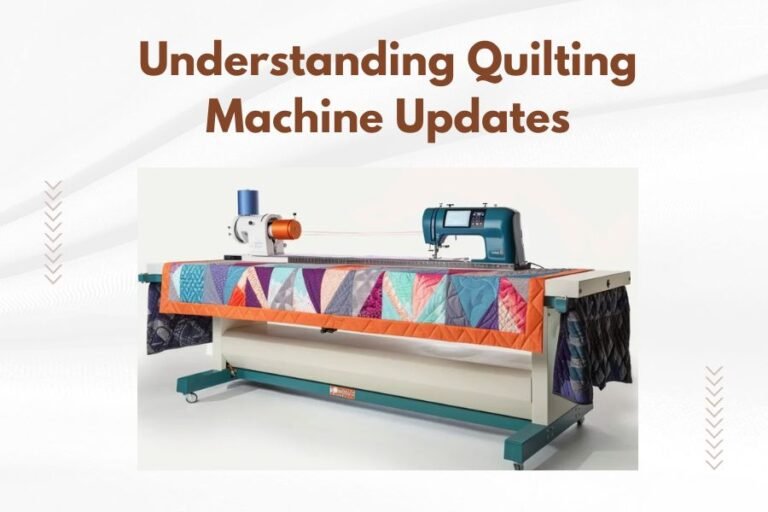
The Sweet 16 quilting machine typically sits on a 10-foot or 12-foot frame and can handle king-size quilts with ease. You’ll get faster quilting speeds, better stitch control, and the ability to create intricate designs that would be difficult on smaller machines.
What Makes the Sweet 16 Special
Think of the Sweet 16 as the perfect middle ground between a home sewing machine and a full commercial longarm setup. You get professional features without needing a warehouse-sized room.
The 16-inch throat space gives you plenty of room to maneuver your quilt. That’s about four times more space than most home sewing machines offer. You can tackle those king-size quilts without constantly shifting and adjusting your fabric.
Key Features You’ll Love
From what I found in my research, these machines pack some serious quilting power:
- 16-inch throat space for large quilts
- Variable speed control from very slow to fast
- Precision stitch regulation
- LED lighting for better visibility
- Bobbin capacity that lasts longer
- Smooth tracking on rails
Speed and Control
You can adjust the stitching speed to match your comfort level. New to longarm quilting? Start slow and build your confidence. Ready to tackle that deadline project? Crank up the speed.
The stitch regulation feature keeps your stitches even, whether you’re moving fast or slow. It’s like having training wheels that actually make you look like a pro.
Frame Options
Most Sweet 16 machines work with either 10-foot or 12-foot frames. The 10-foot frame fits in smaller rooms but still handles large quilts. The 12-foot frame gives you maximum quilt capacity.
Here’s what I found about space requirements: You’ll need about 14 feet of length for a 10-foot frame setup. That includes walking space around the machine.
Who Should Consider a Sweet 16
Are you tired of wrestling king-size quilts through your home sewing machine? The Sweet 16 might be your answer.
Perfect for These Quilters
You’re probably ready for a Sweet 16 if you:
- Make quilts regularly (not just once a year)
- Want to finish projects faster
- Love doing custom quilting designs
- Have space for a 10+ foot frame
- Feel limited by your current machine
Beginners Welcome
Don’t think you need years of experience to use a Sweet 16. Many quilters find these machines easier to use than trying to quilt large projects on smaller machines.
The learning curve isn’t as steep as you might expect. Most people get comfortable within a few practice sessions.
Business Quilters
If you’re thinking about quilting for others, the Sweet 16 opens up possibilities. You can take on customer quilts and finish them in reasonable time frames.
The professional results help justify charging fair prices for your work. Your customers will notice the difference in quality.
Popular Sweet 16 Models
Several manufacturers make 16-inch throat longarm machines. Each has its own strengths and features.
Handi Quilter Sweet Sixteen
This is probably the most well-known Sweet 16 machine. Handi Quilter designed it specifically for home quilters who want longarm capability.
I found that quilters praise its smooth operation and reliable stitch regulation. The machine comes with good customer support and training resources.
Key Specifications
- 16-inch throat space
- Variable speed up to 1,500 stitches per minute
- Precision-Start technology
- LED light bar
- Works with 10-foot or 12-foot frames
Other 16-Inch Options
Tin Lizzie, Gammill, and APQS also make 16-inch throat machines. Each brand has loyal followers and specific features that appeal to different quilters.
Research shows that most 16-inch machines perform similarly. The differences often come down to specific features, customer service, and personal preference.
Setting Up Your Sweet 16
Getting your machine set up properly makes all the difference in your quilting experience.
Space Requirements
You’ll need more room than you think. Here’s what I found works best:
- 14-16 feet of length for the frame and walking space
- 4-5 feet of width
- Good lighting from multiple angles
- Level floor (really important for smooth operation)
- Electrical outlet within reach
Room Layout Tips
Position your machine so you can walk around both ends. You’ll need to advance the quilt and check your work from different angles.
Keep thread storage and tools within easy reach. Nothing breaks your rhythm like hunting for the right thread color.
Frame Assembly
Most frames come with detailed instructions, but assembly takes time. Plan for a full day to get everything set up and adjusted properly.
Many dealers offer setup services. If you’re not handy with tools, it might be worth the extra cost.
Learning to Use Your Sweet 16
Moving from a home sewing machine to a longarm feels different at first. The machine stays put while you move the quilt.
Practice Projects
Start with simple designs on small practice pieces. Focus on getting smooth, even movements before attempting complex patterns.
I found that most quilters recommend practicing these basics first:
- Straight lines in all directions
- Gentle curves and loops
- Basic meandering
- Echo quilting
Building Muscle Memory
Your hands and arms need time to develop the right movements. It’s like learning to drive – awkward at first, then automatic.
Short practice sessions work better than marathon attempts. Your muscles get tired, and sloppy movements become habits.
Design Possibilities
The Sweet 16 opens up design options that aren’t practical on smaller machines. You can create flowing patterns that cover large areas without stopping.
Edge-to-edge patterns look professional and work up quickly. Custom quilting lets you highlight specific areas of your quilt top.
Maintenance and Care
Keeping your Sweet 16 running smoothly doesn’t require much work, but consistency matters.
Daily Maintenance
After each quilting session, brush out lint and dust. These machines move a lot of fabric, and fibers accumulate quickly.
Check your needle condition regularly. Dull or bent needles cause thread breaks and poor stitch quality.
Oil and Lubrication
Follow your manual’s oiling schedule. Most Sweet 16 machines need oil in specific spots after several hours of use.
Use only the recommended oil type. The wrong oil can damage precision parts or attract more lint.
Professional Service
Annual professional cleaning and adjustment keeps your machine performing like new. Trained technicians can spot potential problems before they become expensive repairs.
Cost Considerations
Sweet 16 machines represent a significant investment, but they can pay for themselves if you quilt regularly.
Initial Investment
Expect to spend between $8,000 and $15,000 for a complete setup including frame. That might sound like a lot, but consider the time savings and capability you gain.
Many dealers offer financing options. Some quilters justify the cost by taking on customer work.
Hidden Costs
Don’t forget about accessories and setup costs:
- Professional setup and training
- Extra bobbins and needles
- Quilting thread inventory
- Pattern templates or books
- Maintenance supplies
Return on Investment
If you currently pay for professional quilting services, the Sweet 16 pays for itself over time. Customer work can generate income to offset the cost.
The time savings alone might justify the investment. What used to take weeks of wrestling with a home machine now takes hours.
Comparison with Other Options
How does a Sweet 16 stack up against other quilting solutions?
Versus Home Sewing Machines
Home machines cost less upfront but have significant limitations for large quilts. You spend more time managing the bulk and less time actually quilting.
The Sweet 16 handles king-size quilts as easily as lap quilts. No more rolling, bunching, or fighting with fabric.
Versus Larger Longarms
Full-size longarms offer more throat space but require much more room and cost significantly more. For most home quilters, the Sweet 16 provides the best balance of capability and practicality.
Versus Midarm Machines
Midarm machines (12-14 inch throat) cost less but offer less working space. The extra 2-4 inches of throat space in the Sweet 16 makes a noticeable difference in maneuverability.
| Machine Type | Throat Space | Room Needed | Price Range |
|---|---|---|---|
| Home Sewing Machine | 6-9 inches | Minimal | $200-$3,000 |
| Midarm | 12-14 inches | 12-14 feet | $5,000-$10,000 |
| Sweet 16 | 16 inches | 14-16 feet | $8,000-$15,000 |
| Full Longarm | 20+ inches | 18+ feet | $15,000-$40,000 |
Conclusion
The Sweet 16 quilting machine bridges the gap between home sewing machines and professional longarm systems. You get the space and capability to handle large quilts with professional results, all in a setup that fits in most homes.
If you’re serious about quilting and tired of the limitations of smaller machines, the Sweet 16 deserves your consideration. The investment pays off through time savings, better results, and the pure joy of quilting without fighting your equipment.
Take time to research different brands and visit dealers for hands-on experience. The right Sweet 16 setup will transform your quilting and open up new creative possibilities you never thought possible.
Do I need quilting experience before buying a Sweet 16?
No, many beginners find Sweet 16 machines easier to use than trying to quilt large projects on home sewing machines. The learning curve is manageable, and most people become comfortable within a few practice sessions with proper instruction.
How much space do I really need for a Sweet 16 setup?
You need approximately 14-16 feet of length and 4-5 feet of width for the complete setup, including walking space around the machine. The room should have level flooring and good lighting from multiple angles for best results.
Can a Sweet 16 pay for itself through customer quilting?
Yes, many Sweet 16 owners generate income by quilting for others. Professional-quality results and reasonable turnaround times allow you to charge fair prices that can offset your machine investment over time.
What’s the biggest difference between brands of 16-inch machines?
Most 16-inch machines perform similarly in basic operation. The main differences lie in specific features like stitch regulation systems, included accessories, customer support quality, and available training programs from each manufacturer.
How often does a Sweet 16 need professional maintenance?
Annual professional cleaning and adjustment is recommended for optimal performance. Daily maintenance like removing lint and checking needles takes just a few minutes, while periodic oiling follows your specific manual’s schedule based on usage hours.