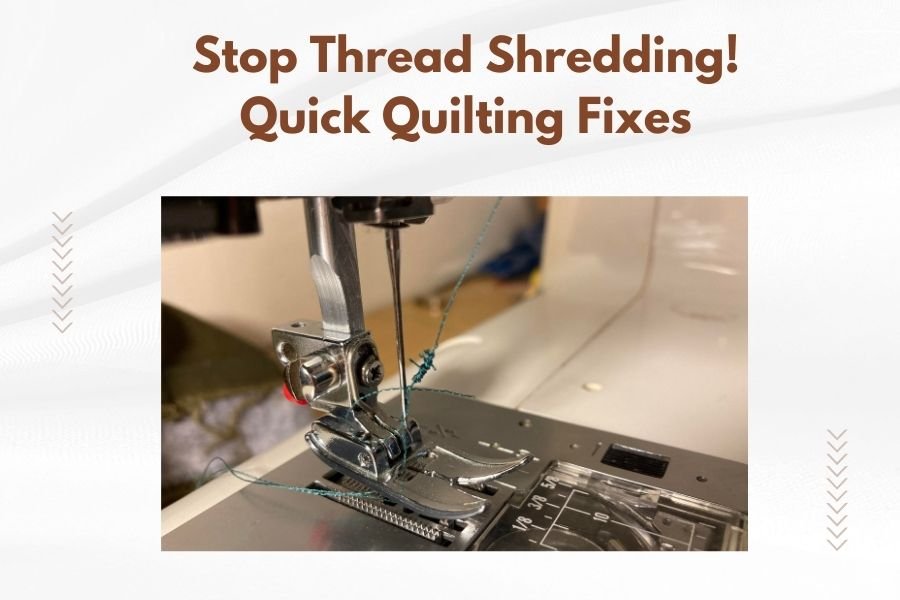
Thread shredding happens when your quilting machine needle becomes dull, your tension is too tight, or you’re using the wrong thread type for your fabric.
Most quilting thread problems can be fixed in under 2 minutes by checking your needle, adjusting tension settings, or switching to higher-quality thread.
Why Your Quilting Thread Keeps Breaking
You’re in the middle of a beautiful quilt when suddenly your thread snaps. Again. Sound familiar?
Thread shredding ruins your flow and wastes time. But here’s the good news: most thread problems have simple fixes.
The Main Culprits Behind Thread Problems
From what I researched, these are the top reasons threads fail:
- Dull or damaged needles
- Wrong needle size for your thread
- Tension set too high
- Low-quality thread that can’t handle machine stress
- Thread getting caught on rough surfaces
Quick Fix #1: Check Your Needle First
Your needle is like a chef’s knife. When it’s dull, everything becomes harder.
Signs You Need a New Needle
Look for these warning signs:
- Popping sounds when the needle goes through fabric
- Thread breaking every few stitches
- Holes in your fabric look jagged
- The needle tip looks bent or rounded
How Often Should You Change Needles?
Many quilting experts suggest changing needles after 8 hours of sewing time. I found that busy quilters often go too long between changes.
Think of it this way: a $2 needle can save you hours of frustration.
Choosing the Right Needle Size
Your thread and needle need to work together like dance partners.
| Thread Weight | Needle Size | Best For |
|---|---|---|
| 40 weight | 80/12 or 90/14 | General quilting |
| 50 weight | 75/11 or 80/12 | Fine quilting, piecing |
| 30 weight | 90/14 or 100/16 | Bold quilting, decorative stitching |
Quick Fix #2: Adjust Your Tension Settings
Tension problems cause more quilting headaches than almost anything else.
How to Test Your Tension
Grab two different colored threads. Sew a test line on scrap fabric.
Perfect tension means you see mostly the top thread on top and mostly the bobbin thread on bottom. The threads should “kiss” in the middle of your fabric layers.
When Tension Is Too Tight
You’ll see the bobbin thread pulled to the top. Your fabric might pucker. Thread breaks happen more often.
Lower your top tension by small steps. Try going from 4 to 3.5, then test again.
When Tension Is Too Loose
Top thread shows through on the bottom. Stitches look loopy and messy.
Increase tension gradually. Small changes make big differences.
Quick Fix #3: Choose Better Thread
Not all threads are created equal. Cheap thread often causes more problems than it’s worth.
Thread Quality Makes a Difference
I researched thread manufacturing and found that quality thread goes through better processing. The fibers stay more uniform.
Bargain thread often has thick and thin spots. These uneven areas catch in your machine and break.
Cotton vs Polyester for Quilting
Cotton thread works great for cotton fabrics. It has a natural feel and ages well with your quilt.
Polyester thread is stronger and more forgiving. It handles tension changes better and rarely breaks.
Many quilters I heard from online prefer polyester for machine quilting because it’s more reliable.
Thread Storage Matters Too
Old thread gets brittle. Thread stored in sunlight or heat breaks more easily.
Keep your thread in a cool, dry place. If thread looks fuzzy or feels rough, it’s probably too old to use.
Quick Fix #4: Check Your Thread Path
Sometimes the problem isn’t your settings. It’s where your thread travels.
Look for Rough Spots
Run your finger along the thread path. Feel for any rough edges or burrs.
Common problem areas include:
- The needle plate opening
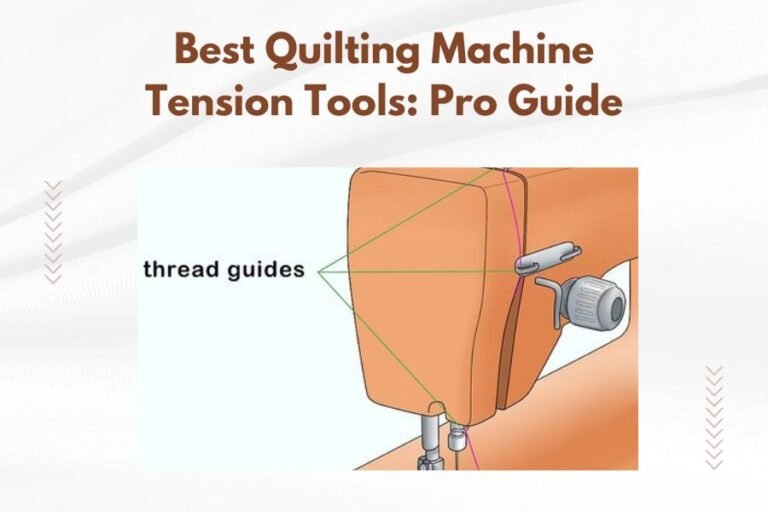
- Thread guides
- Tension discs
- The needle eye itself
Quick Cleaning Tips
Use fine sandpaper or an emery board to smooth rough spots gently. Remove all lint and thread bits from the machine.
A clean machine runs smoother and treats thread better.
Quick Fix #5: Slow Down Your Stitching
Are you sewing too fast for your thread to keep up?
Speed vs Thread Stress
High-speed sewing creates heat and friction. Your thread experiences more stress at faster speeds.
Try slowing down, especially when using delicate threads or working on detailed areas.
Machine Maintenance Helps
A well-oiled machine puts less stress on thread. Follow your manual’s maintenance schedule.
Regular cleaning and oiling make everything run smoother.
Advanced Thread Troubleshooting
Still having problems? Let’s dig deeper.
Bobbin Issues
Your bobbin thread matters just as much as your top thread.
Make sure your bobbin is wound evenly. Lumpy or loose bobbin winding causes tension problems.
Bobbin Thread Quality
Some quilters use cheaper thread in the bobbin. This can work for piecing but might cause problems during heavy quilting.
Match your bobbin thread quality to your project’s needs.
Environmental Factors
Believe it or not, weather affects thread behavior.
Dry air makes thread more brittle. Humid conditions can make thread swell slightly.
Seasonal Adjustments
You might need to adjust tension slightly between seasons. Keep notes about what works in different conditions.
Prevention Tips for Happy Quilting
An ounce of prevention beats hours of frustration.
Start Each Project Right
Begin with a fresh needle. Test your settings on scraps first. This simple step prevents most problems.
Keep a Quilting Journal
Write down what needle, thread, and settings work for each project. You’ll save time on future quilts.
Stock Quality Supplies
Buy good needles and thread. The small extra cost pays off in smooth sewing.
Having backup supplies means you won’t get stuck mid-project.
When to Call for Help
Sometimes the problem is bigger than thread choices.
Machine-Related Issues
If you’ve tried everything and still have problems, your machine might need professional attention.
Timing issues or worn parts cause thread problems that home fixes can’t solve.
Conclusion
Thread shredding doesn’t have to ruin your quilting joy. Most problems have simple solutions: change your needle, adjust tension, or upgrade your thread quality.
Remember to test your settings before starting each project. Keep your machine clean and well-maintained. Stock quality supplies so you’re always ready to sew.
With these quick fixes in your toolkit, you’ll spend more time creating beautiful quilts and less time dealing with thread troubles. Happy quilting!
Why does my thread keep breaking even with a new needle?
Your tension might be too tight, or you could be using the wrong needle size for your thread weight. Try loosening tension slightly and check that your needle size matches your thread according to manufacturer guidelines.
Can I use the same thread in my bobbin as my top thread?
Yes, using matching thread top and bottom often gives the best results for quilting. However, some quilters prefer lighter weight bobbin thread to reduce bulk, especially for dense quilting patterns.
How do I know if my thread is too old to use?
Old thread feels rough or fuzzy when you run it between your fingers. It may also look faded or break easily when pulled. Thread stored properly can last many years, but heat and sunlight make it deteriorate faster.
What’s the difference between quilting thread and regular sewing thread?
Quilting thread is typically stronger and designed to handle the stress of dense stitching patterns. It’s often made with longer fibers that resist breaking under the repeated tension of machine quilting.
Should I adjust my machine differently for free-motion quilting?
Free-motion quilting often requires slightly looser top tension since you’re controlling the stitch formation manually. Start with your normal settings and adjust gradually if you see tension problems in your stitches.