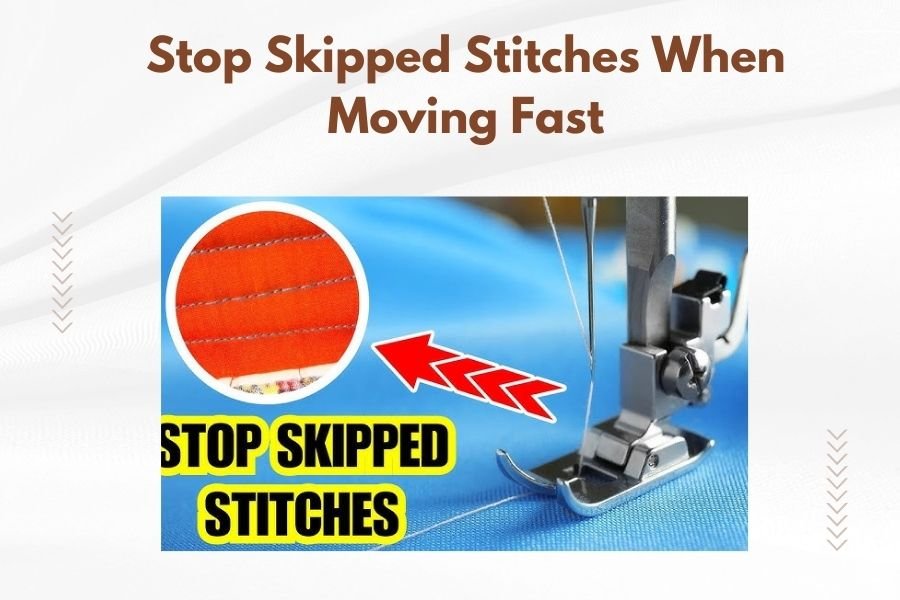
Skipped stitches when moving fast happen because your needle and feed dogs can’t keep up with your quilting speed, creating timing issues between the needle, thread, and fabric movement.
The solution is finding your machine’s sweet spot speed, using the right needle and thread combination, and maintaining proper tension settings for smooth stitching at any pace.
You know that feeling when you’re in the zone, quilting away at top speed, and suddenly your machine starts acting up? Those annoying skipped stitches can turn your beautiful project into a frustrating mess. Let me help you fix this common problem once and for all.
Why Speed Creates Skipped Stitches
Think of your quilting machine like a dance partner. When you move too fast, the timing gets off. Your needle goes down, but the thread doesn’t form a proper loop with the bobbin thread. The result? Blank spots where stitches should be.
I found that most skipped stitches at high speeds come from three main timing issues. First, the needle deflects slightly when moving fast. Second, the thread doesn’t have enough time to settle properly. Third, the feed dogs can’t grip the fabric layers consistently.
Machine Timing and Speed Limits
Every quilting machine has a natural speed limit. Push beyond it, and you’ll get skipped stitches. From what I researched, most domestic machines work best at 60-70% of their maximum speed for consistent results.
Your machine’s computer tries to keep everything in sync. But at very high speeds, mechanical parts can’t always keep up with electronic commands. This creates tiny delays that show up as skipped stitches.
Thread Behavior at High Speeds
Thread acts differently when you quilt fast. It creates more friction and heat. The extra vibration can cause thread to jump or twist in ways that break the stitch formation cycle.
I found that polyester threads handle speed better than cotton threads. They’re more elastic and create less friction in the needle eye and tension discs.
Quick Diagnostic Steps
Before you dive into complex fixes, run this simple test. Sew the same pattern at three different speeds: slow, medium, and fast. Mark where skipped stitches appear.
If skips only happen at high speed, you’ve confirmed it’s a speed issue. If they happen at all speeds, you have other problems to address first.
Check Your Stitch Quality Pattern
Look at where skipped stitches occur. Do they happen on curves? Direction changes? Or randomly throughout straight lines? This pattern tells you what’s causing the problem.
Random skips usually mean needle or thread issues. Skips on curves suggest tension problems. Skips during direction changes point to timing or speed issues.
Needle Solutions for Speed Quilting
Your needle choice makes a huge difference when quilting fast. A dull or wrong-sized needle will skip stitches even at moderate speeds.
Best Needle Types for High-Speed Quilting
Sharp needles work better than ballpoint needles for speed quilting. They penetrate fabric layers cleanly without deflecting. Size 90/14 needles handle most quilting threads and fabrics at high speeds.
Topstitch needles have larger eyes and deeper grooves. These features help thread flow smoothly at high speeds. Many quilting experts recommend them for fast piecing work.
When to Change Your Needle
Change needles more often when speed quilting. The extra friction and heat dull needles faster. I found that changing needles every 6-8 hours of high-speed quilting prevents most skip issues.
Listen to your machine. A dull needle makes a slightly different sound when penetrating fabric. You’ll hear a subtle “thunk” instead of a clean “pop.”
Thread Selection and Preparation
Not all threads handle high-speed quilting equally well. Some create more friction. Others break down faster under stress.
Best Thread Types for Speed
High-quality polyester threads work best for speed quilting. They’re stronger, more consistent, and handle heat better than cotton threads. Trilobal polyester threads reflect light beautifully and sew smoothly at high speeds.
Avoid bargain threads when speed quilting. Cheap threads have thick and thin spots that catch in your tension discs. They also shed more lint, which clogs your machine faster.
Thread Storage and Conditioning
Old thread becomes brittle and breaks easily. Store thread in a cool, dry place away from direct sunlight. Thread that’s been sitting for years may look fine but perform poorly at high speeds.
Some quilters use thread conditioner or silicone spray. These reduce friction but can leave residue in your machine. Test them carefully before using on important projects.
Tension Adjustments for Speed
Tension settings that work at slow speeds might not work at high speeds. The faster thread movement changes how tension discs grip and release thread.
Finding Your Speed Tension Sweet Spot
Start with your normal tension setting. Gradually increase speed while watching your stitches. If you see loops on top, reduce upper tension slightly. If you see loops on bottom, increase upper tension.
Make small adjustments. Move tension settings by half numbers or single clicks. Test each change before making another adjustment.
Bobbin Tension Considerations
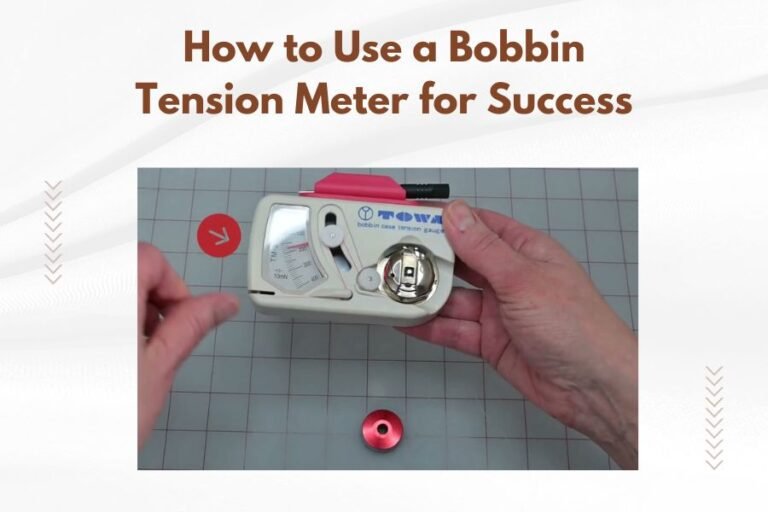
Bobbin tension affects high-speed quilting too. A bobbin that’s too tight will cause skipped stitches when moving fast. A loose bobbin creates loopy stitches.
I found that slightly looser bobbin tension works better for speed quilting. The faster thread pull-through needs less resistance from the bobbin case.
Machine Maintenance for Speed Quilting
Clean machines handle speed better than dirty machines. Lint buildup creates extra friction and throws off timing.
Critical Cleaning Areas
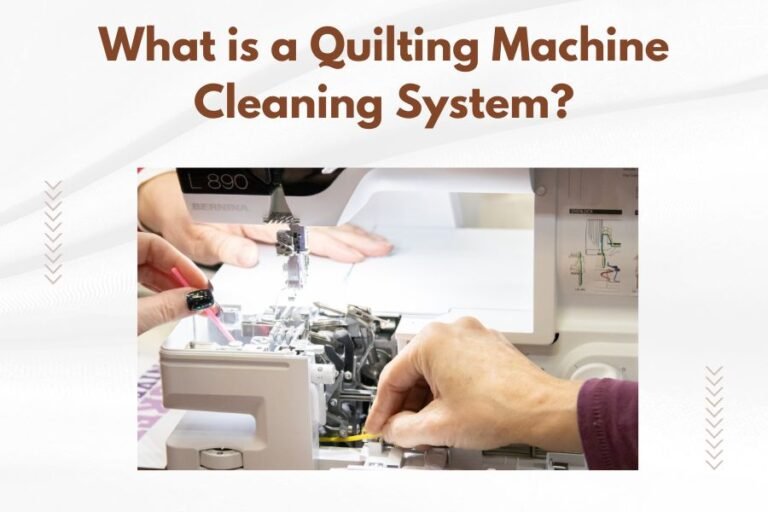
Focus on these areas when cleaning for speed quilting. Clean the bobbin area after every project. Remove all lint from feed dogs and needle plate. Oil your machine according to the manual schedule.
Pay special attention to thread guides and tension discs. Lint in these areas causes erratic thread flow at high speeds.
Lubrication Schedule
Speed quilting creates more wear on moving parts. Oil your machine more frequently when doing lots of high-speed work. Follow your manual’s recommendations but consider doubling the frequency.
Fabric and Batting Considerations
Some fabric combinations work better than others for speed quilting. Heavy fabrics need more time for proper needle penetration.
Best Fabric Choices for Speed
Medium-weight cotton fabrics quilt best at high speeds. Very light fabrics can flutter and cause skipped stitches. Heavy fabrics slow down your needle and create timing issues.
Avoid fabrics with loose weaves when speed quilting. The needle can push threads aside instead of penetrating cleanly. This creates skipped stitches and puckering.
Batting Impact on Speed Quilting
Low-loft battings work better for speed quilting than high-loft battings. Thick batting requires more needle penetration force and slows down stitch formation.
Needle-punched battings quilt faster than bonded battings. They compress more easily and don’t fight the needle as much during high-speed quilting.
Speed Control Techniques
Learning to control your quilting speed takes practice. You want to go fast but maintain quality stitches.
Finding Your Optimal Speed Range
Start slow and gradually increase speed until you notice any stitch quality problems. Back off slightly from that point. This is your machine’s optimal speed range.
Your optimal speed might change with different projects. Thicker quilts need slower speeds. Simple straight-line quilting can handle higher speeds than complex curved patterns.
Variable Speed Strategies
Don’t quilt everything at the same speed. Use high speed for straight lines and open areas. Slow down for curves, points, and detailed work.
Many modern machines have speed control settings. Use these to set maximum speeds for different types of quilting work.
Troubleshooting Persistent Problems
Sometimes skipped stitches persist even after trying basic fixes. Here are some advanced solutions.
Machine Timing Issues
If your machine consistently skips stitches at any speed, the timing might be off. This requires professional service. Don’t attempt timing adjustments yourself unless you’re trained.
Signs of timing problems include consistent skipped stitches, thread breakage, and unusual machine sounds. These issues usually develop gradually over time.
Feed Dog Problems
Worn or damaged feed dogs can cause skipped stitches at high speeds. They can’t grip fabric layers consistently, which affects stitch formation.
Check your feed dogs regularly for wear, damage, or lint buildup. Clean them thoroughly and replace them if they’re worn smooth.
Prevention Strategies
Preventing skipped stitches is easier than fixing them after they happen.
Pre-Quilting Setup Routine
Develop a setup routine before speed quilting. Check your needle condition. Test thread and tension on scraps. Clean any visible lint from your machine.
This five-minute routine prevents most speed-related stitch problems. It’s much faster than stopping mid-project to troubleshoot issues.
Regular Maintenance Schedule
Keep a maintenance log for your quilting machine. Track needle changes, cleaning sessions, and oiling dates. This helps you spot patterns in when problems occur.
Schedule professional servicing annually if you do lots of speed quilting. The extra wear requires more frequent professional attention.
Conclusion
Speed quilting doesn’t have to mean sacrificing stitch quality. By understanding why skipped stitches happen and taking the right preventive steps, you can quilt fast with confidence. Remember to find your machine’s optimal speed range, use the right needle and thread combination, and maintain proper tension settings. Regular maintenance and the right fabric choices will keep your stitches perfect even when you’re moving at top speed.
Can I use the same tension settings for both slow and fast quilting?
No, you may need to adjust tension slightly when changing speeds. Fast quilting often requires minor tension changes because thread moves through the machine differently at higher speeds.
How often should I change needles when speed quilting regularly?
Change needles every 6-8 hours of high-speed quilting, or sooner if you notice any stitch quality problems. Speed quilting creates more friction and dulls needles faster than normal-speed quilting.
What’s the maximum safe speed for most domestic quilting machines?
Most domestic quilting machines perform best at 60-70% of their maximum rated speed for consistent, high-quality stitches. Going beyond this range often causes stitch quality problems.
Do computerized quilting machines handle speed better than mechanical machines?
Computerized machines often have better speed control features and can maintain more consistent stitch quality at various speeds. But both types can skip stitches if pushed beyond their optimal speed range.
Should I use different thread weights when quilting at high speeds?
Stick with medium-weight threads (40-50 weight) for speed quilting. Very fine threads can break more easily at high speeds, while very heavy threads create more friction and tension issues.