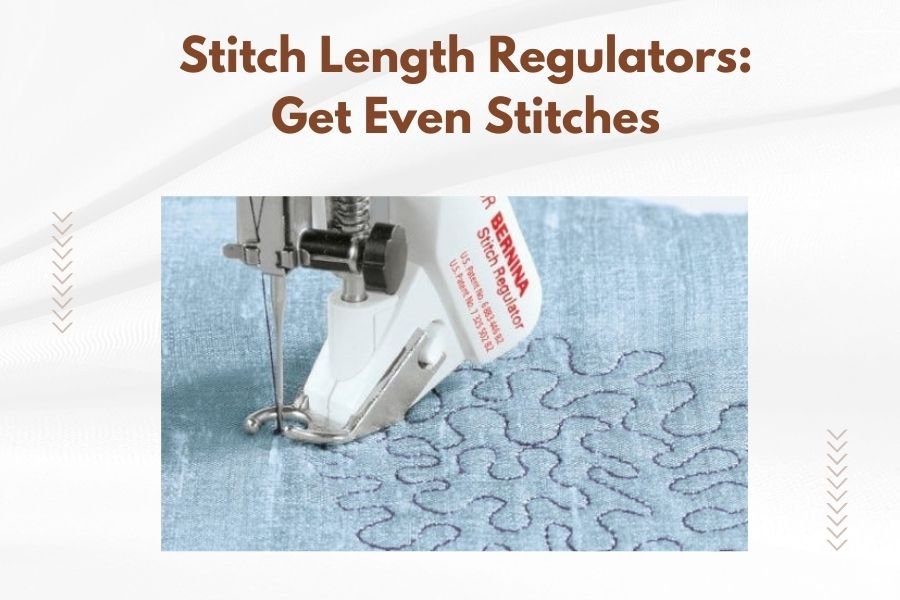
Stitch length regulators automatically maintain consistent stitch spacing on your quilting machine, preventing the uneven stitches that happen when your hand speed varies.
These electronic systems monitor your quilting speed and adjust the machine’s stitch rate in real-time, giving you professional-looking results even as a beginner.
Have you ever noticed how your quilting stitches look perfect in some areas but wildly uneven in others? You’re not alone. Most quilters struggle with this exact problem when they start free-motion quilting.
The issue comes down to coordination. Your hands move the fabric while your foot controls the needle speed. When these two actions don’t match up perfectly, you get stitches that look like a roller coaster.
What Are Stitch Length Regulators
A stitch length regulator is like having a co-pilot for your quilting machine. This electronic system watches how fast you move your quilt and automatically speeds up or slows down the needle to match.
Think of it like cruise control for your car. Instead of constantly adjusting your gas pedal, the car maintains steady speed. Similarly, instead of perfectly coordinating your hand and foot movements, the regulator keeps your stitches consistent.
How They Work Behind the Scenes
The system uses sensors to track fabric movement. When you move the quilt quickly, it tells the machine to stitch faster. When you slow down, it reduces the needle speed accordingly.
Some models use optical sensors that “see” the fabric moving. Others use mechanical sensors that feel the movement. Both types achieve the same goal: matching needle speed to fabric movement.
Benefits You’ll Notice Right Away
Your quilting will look more professional immediately. No more embarrassingly long stitches mixed with tiny ones that bunch up the fabric.
Confidence Boost for New Quilters
New quilters often feel overwhelmed trying to coordinate everything at once. With a stitch regulator, you can focus on moving the quilt smoothly without worrying about foot pedal timing.
I found from quilting forums that beginners report feeling much more relaxed when using these systems. The fear of “messing up” decreases significantly.
Consistent Results Every Time
Even experienced quilters have off days. Maybe you’re tired, distracted, or trying a new pattern. The regulator acts as your safety net, maintaining quality even when you’re not at your best.
Types of Stitch Length Regulators
You’ll find three main types when shopping for these systems. Each has different strengths depending on your needs and budget.
Built-in Regulators
Many modern quilting machines come with regulators already installed. These tend to work seamlessly since they’re designed specifically for that machine.
Brands like Handi Quilter, APQS, and Tin Lizzie often include these systems in their mid-range and high-end models. The integration is smooth and you don’t need extra installation.
Add-on Systems
These aftermarket systems can be added to existing machines. They’re great if you love your current machine but want regulator benefits.
Popular add-on brands include IntelliStitch and various universal systems. Installation usually requires some technical knowledge or professional help.
Hybrid Options
Some systems offer manual override options. You can switch between regulated and free-motion modes depending on what you’re quilting.
This flexibility appeals to quilters who want control options. Sometimes you might want the artistic freedom of pure free-motion work.
Choosing the Right System
Your choice depends on your machine, budget, and quilting style. Let’s break down the key factors to consider.
Machine Compatibility
Not every regulator works with every machine. Check compatibility before buying anything. Some systems only work with specific brands or models.
Contact your machine manufacturer first. They can tell you which systems work best with your specific model.
Your Quilting Style
Do you prefer slow, detailed work or faster coverage quilting? Different regulators handle different speed ranges better.
Some excel at very slow, precise work. Others work better for medium-speed quilting but struggle with extremely slow movements.
Precision vs Speed Trade-offs
Higher precision usually means the system works better at slower speeds. Speed-oriented systems might be less precise but handle faster quilting better.
Common Problems and Solutions
Even good systems have quirks. Knowing about these ahead of time helps you use your regulator more effectively.
Sensitivity Issues
Some regulators are too sensitive and react to tiny movements. Others aren’t sensitive enough and miss small speed changes.
Most systems let you adjust sensitivity settings. Start with manufacturer recommendations and fine-tune from there.
Edge and Corner Challenges
Regulators sometimes struggle near quilt edges or when turning sharp corners. The sensors might not read movement accurately in these areas.
Many quilters switch to manual mode for edges and detailed corner work. This gives you full control when you need precision most.
Workaround Techniques
Try slowing down near edges rather than switching modes completely. Many regulators handle slow, steady movement better than quick direction changes.
Setting Up Your Regulator
Proper setup makes the difference between loving and hating your stitch regulator. Take time to get these basics right.
Calibration Steps
Most systems need initial calibration to work with your specific machine and quilting style. This usually involves quilting test samples at different speeds.
Follow the manufacturer’s calibration process exactly. Skipping steps often leads to poor performance and frustration.
Tension Adjustments
Thread tension might need adjustment when using a regulator. The consistent stitch length can change how tension affects your quilting.
Test tension on scraps before starting your actual project. What worked for manual quilting might not work with the regulator.
Thread and Needle Considerations
Some thread types work better with regulators than others. Polyester threads often perform more consistently than cotton or rayon.
Needle choice matters too. Universal needles handle most situations, but specialized needles might work better for specific thread and fabric combinations.
Maintenance Tips
Regular maintenance keeps your regulator working smoothly for years. Most systems are fairly low-maintenance once properly set up.
Cleaning Schedules
Dust and lint can interfere with sensors. Clean sensor areas regularly according to manufacturer recommendations.
Use compressed air or soft brushes. Avoid liquids near electronic components unless specifically recommended.
Software Updates
Some modern regulators use software that can be updated. Check manufacturer websites periodically for improvements.
Updates often fix bugs or improve performance with specific machine models.
Cost Considerations
Stitch regulators range from a few hundred to several thousand dollars. Understanding what drives these price differences helps you choose wisely.
Budget-Friendly Options
Basic add-on systems start around $300-500. These usually provide good stitch regulation without advanced features.
Consider these if you’re just starting with regulated quilting or have a tight budget.
Premium Features Worth Paying For
Higher-end systems often include better sensors, more adjustment options, and superior software. They typically handle a wider range of quilting styles.
Premium systems also tend to work better with different thread types and fabric weights.
Return on Investment
If you quilt regularly, the time savings and improved results often justify higher costs. Professional quilters usually find regulators pay for themselves quickly.
Real-World Performance
How do these systems actually perform when you’re quilting real projects? The answer depends on several factors.
Learning Curve Expectations
Most quilters need 2-3 projects to feel comfortable with their new regulator. Don’t expect perfection immediately.
Your muscle memory needs time to adjust. You’ve been coordinating hand and foot movements manually, and breaking that habit takes practice.
Best Quilting Patterns for Regulators
Continuous-line patterns work exceptionally well with regulators. Pantographs, meandering, and flowing designs benefit most.
Patterns requiring frequent starts and stops might not show as much improvement. The regulator works best with steady movement.
Challenging Patterns
Very detailed work with lots of direction changes can challenge some regulators. Dense stippling or intricate feather work might require manual mode.
Conclusion
Stitch length regulators transform your quilting by removing the coordination challenge between hand speed and needle speed. They’re particularly valuable for beginners who want professional results and experienced quilters seeking consistency.
The technology works best with continuous-line patterns and steady quilting movements. While there’s a learning curve and some patterns remain challenging, most quilters find the benefits far outweigh any limitations.
Choose a system based on your machine compatibility, quilting style, and budget. Proper setup and calibration are essential for good performance, so take time to get these right.
Can I install a stitch length regulator on any quilting machine?
Not all machines are compatible with aftermarket regulators. Check with your machine manufacturer and the regulator company before purchasing. Some machines have mounting limitations or electronic incompatibilities that prevent installation.
Do stitch length regulators work with all thread types?
Most regulators work well with polyester and cotton threads. Specialty threads like metallic or textured varieties might require tension adjustments or perform differently. Test with your preferred threads before starting large projects.
How long does it take to learn using a stitch regulator effectively?
Most quilters feel comfortable after completing 2-3 practice projects over several weeks. Your existing free-motion skills transfer, but you need time to adjust to the different feel and rhythm of regulated stitching.
What happens if my stitch regulator breaks during a project?
Most systems allow you to continue quilting in manual mode if the regulator fails. Your machine’s basic functions remain unaffected. Keep your machine’s manual mode instructions handy for emergency situations.
Are expensive stitch regulators really better than budget options?
Higher-priced regulators typically offer better sensors, more adjustment options, and work with a wider variety of quilting styles and speeds. Budget options can work well for basic quilting but might have limitations with very slow work or specialty applications.