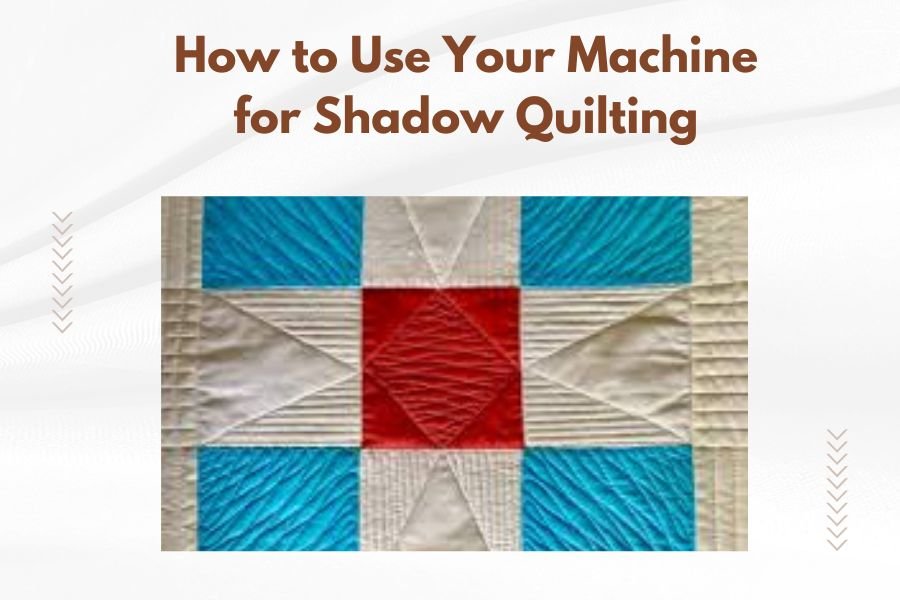
Shadow quilting uses your regular sewing machine to create beautiful dimensional effects by stitching through sheer fabric layers that reveal colored designs underneath.
You can master this technique with any home sewing machine by following the right fabric choices, thread selection, and stitching patterns that make shadows appear in your quilt.
What Is Shadow Quilting
Shadow quilting creates depth and mystery in your projects. You place colored fabric pieces between two sheer layers, then stitch around the shapes. The top layer softens the colors below, making them look like gentle shadows.
Think of it like looking at fish through water. The colors are there, but they appear muted and dreamy. That’s the magic you’re creating with your machine.
Choosing the Right Machine Settings
Your machine needs the right setup for shadow quilting success. Start with these basic settings that work for most projects.
Thread Tension Adjustments
Set your tension slightly lower than normal. I found that most machines work best around 3 to 4 for shadow quilting. Test on scraps first.
Lower tension prevents the sheer fabric from puckering. If your stitches look loose, increase tension gradually until they look balanced.
Stitch Length Settings
Use medium stitch length, around 2.5 to 3mm. Shorter stitches can perforate delicate fabrics. Longer stitches might not hold the layers together well enough.
Presser Foot Selection
Your regular zigzag foot works great for most shadow quilting. Some quilters prefer a walking foot to help feed multiple layers evenly.
If you have a free-motion foot, save it for decorative stitching after your basic shadow quilting is complete.
Fabric Selection for Shadow Effects
Your fabric choices make or break shadow quilting. The top layer must be sheer enough to show colors beneath, but strong enough to stitch.
Top Layer Fabric Options
Organza gives the clearest shadow effect. It’s crisp and holds its shape well during stitching. Cotton voile offers a softer look with good durability.
Chiffon creates dreamy effects but can be tricky to handle. Start with organza if you’re new to shadow quilting.
Shadow Layer Fabric Choices
Cotton solids in bright colors work best for the middle layer. The colors should be bold enough to show through your sheer top layer.
Avoid busy prints for shadow layers. Simple shapes and solid colors create cleaner shadow effects than detailed patterns.
Backing Fabric Requirements
Use white or light-colored cotton for your backing. Dark colors will muddy your shadow effects and make colors look dull.
Setting Up Your Shadow Quilting Layers
Layer assembly determines your final results. Take time to get this step right before you start stitching.
Creating Your Design Layout
Plan your colored shapes on paper first. Simple geometric shapes work better than complex designs for beginners. Hearts, leaves, and flowers are popular choices.
Cut your colored pieces about 1/4 inch larger than your final design. This extra fabric prevents gaps between your stitching and colored areas.
Proper Layer Stacking
Start with your backing fabric face down. Add batting if you want extra dimension. Place your colored shapes where you want them.
Top everything with your sheer fabric. Pin carefully around each colored shape, not through the middle where shadows will show.
Basting Techniques
Spray basting works well for shadow quilting layers. It holds everything in place without pins that might shift your colored pieces.
If you hand baste, use light-colored thread that won’t show through your sheer top layer.
Machine Stitching Techniques
Your stitching technique affects how professional your shadow quilting looks. Start with basic outlining, then add decorative elements.
Outline Stitching Methods
Stitch around each colored shape using straight stitches or narrow zigzag. Keep your stitching line just inside the edge of your colored fabric.
Go slow around curves. Fast stitching can cause the sheer fabric to shift and create uneven shadows.
Decorative Stitch Options
Add texture with decorative stitches after outlining. Feather stitches, blanket stitches, and small scallops all work well over shadow areas.
Many experts suggest keeping decorative stitching light. Too much stitching can overpower the subtle shadow effect you’re creating.
| Stitch Type | Best Use | Difficulty Level |
|---|---|---|
| Straight Stitch | Basic outlining | Beginner |
| Narrow Zigzag | Curved edges | Beginner |
| Decorative Stitches | Added texture | Intermediate |
| Free Motion | Custom designs | Advanced |
Thread Selection for Best Results
Thread choice affects both the look and durability of your shadow quilting. The right thread nearly disappears while still holding everything together.
Thread Weight Considerations
Use 50-weight cotton or polyester thread for most shadow quilting. This weight is strong enough to hold layers but fine enough not to overpower delicate fabrics.
Heavier threads can tear sheer fabrics. Lighter threads might break during stitching.
Color Selection Guidelines
Match your thread to your sheer top fabric, not the colored shadow pieces. White or cream thread works well with most organza and voile.
Clear monofilament thread creates invisible stitching lines. Some quilters find it tricky to work with, but it gives the cleanest shadow effects.
Common Shadow Quilting Problems
Every quilter faces challenges with shadow quilting. Here’s how to fix the most common issues you might encounter.
Fabric Puckering Solutions
Puckering happens when tension is too tight or you’re pulling fabric while stitching. Lower your tension and let the feed dogs move the fabric naturally.
Use a stabilizer under very lightweight fabrics. Tear-away stabilizer removes easily after stitching.
Uneven Shadow Effects
Uneven shadows usually mean your colored pieces shifted during stitching. Pin more carefully or use spray basting to hold everything in place.
Thread Breaking Issues
Thread breaks often come from dull needles or wrong needle size. Use a fresh needle sized for your fabric weight. Size 70/10 works well for most sheer fabrics.
Finishing Your Shadow Quilted Project
Proper finishing protects your delicate shadow work and gives your project a professional appearance.
Edge Finishing Options
Bind edges with bias tape to protect the delicate layers. Choose binding that matches your sheer top fabric for a cohesive look.
Faced edges work well for wall hangings. The facing hides raw edges without adding bulk like binding does.
Care Instructions
Handle shadow quilted items gently. Hand washing or gentle machine cycles work best. Avoid harsh detergents that might damage sheer fabrics.
Air dry shadow quilted pieces. Heat can shrink different fabric layers at different rates, causing distortion.
Project Ideas for Shadow Quilting
Shadow quilting works beautifully in many different projects. Start small while you learn the techniques.
Beginner Project Suggestions
Table runners make great first shadow quilting projects. The long, narrow shape is easy to handle, and simple leaf or flower designs show off the technique well.
Pillow covers let you practice on a manageable size. You can experiment with different colors and shapes without committing to a large quilt.
Advanced Design Ideas
Baby quilts showcase shadow quilting beautifully. Soft pastel shadows create gentle, soothing designs perfect for nurseries.
Wall hangings let you create artistic pieces with complex shadow arrangements. Layer different colored shapes for depth and interest.
Conclusion
Shadow quilting transforms ordinary fabric into something magical using just your regular sewing machine. The key lies in choosing the right fabrics, setting up your machine properly, and taking time to layer everything carefully. Start with simple shapes and light colors as you learn the techniques. With practice, you’ll create stunning shadow effects that add depth and beauty to any quilting project. Remember to go slowly, test your settings on scraps, and enjoy the process of watching shadows come to life under your needle.
Can I use any sewing machine for shadow quilting?
Yes, any basic sewing machine with straight stitch and zigzag capabilities can handle shadow quilting. You don’t need special features, just proper tension control and the ability to adjust stitch length.
What’s the minimum fabric transparency needed for shadow effects?
Your top fabric should be sheer enough that you can easily read newsprint through it when held up to light. If you can’t see text clearly, the fabric is too opaque for good shadow effects.
How do I prevent my colored pieces from shifting during stitching?
Use temporary spray adhesive or carefully placed pins around the edges of each colored piece. Baste the entire sandwich before machine stitching, and work slowly around curves and corners.
Can I wash shadow quilted items in the washing machine?
Use only gentle cycles with cool water and mild detergent. Place the item in a mesh laundry bag for extra protection. Hand washing is safer for delicate shadow work, especially pieces with organza or chiffon.
What’s the best way to store shadow quilted projects?
Lay pieces flat in acid-free boxes or roll them around large tubes covered with muslin. Avoid folding, which can create permanent creases in sheer fabrics. Store in cool, dry places away from direct sunlight.