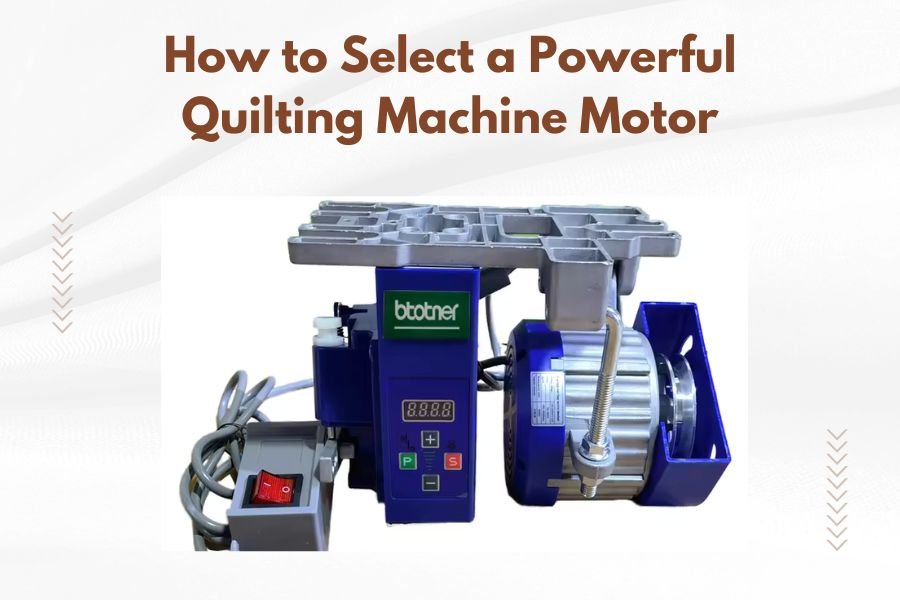
A powerful quilting machine motor needs at least 1.0 amp rating and variable speed control to handle thick fabric layers without jamming or breaking threads.
The best quilting machine motor combines consistent torque delivery with quiet operation, typically ranging from 0.8 to 2.5 amps depending on your project complexity.
Understanding Quilting Machine Motor Power
You want a motor that won’t quit when you’re three hours into a queen-size quilt. Motor power determines how smoothly your machine handles multiple fabric layers and dense stitching patterns.
Most home quilting machines use motors rated between 0.8 and 2.5 amps. Higher amp ratings mean more power, but they also create more noise and use more electricity.
What Amp Rating Do You Actually Need?
For basic quilting with cotton fabrics, 0.8 to 1.2 amps works fine. You’ll handle most standard projects without motor strain.
For heavy-duty quilting with thick batting or denim, aim for 1.5 to 2.5 amps. This extra power prevents the dreaded motor slowdown when piercing dense materials.
Light Quilting Motor Requirements
Baby quilts and wall hangings need less motor power. A 0.8 amp motor handles these projects easily. You save money and get quieter operation.
Heavy Quilting Motor Requirements
King-size quilts with multiple batting layers demand serious motor power. Start at 1.5 amps minimum. Your motor will maintain consistent speed through thick seams.
Motor Types and Their Performance
You’ll find three main motor types in quilting machines. Each offers different benefits for specific quilting styles.
Servo Motors for Precision Control
Servo motors give you exact speed control and instant stopping power. They’re perfect for detailed quilting work where precision matters most.
These motors start and stop smoothly without sudden jerks. You get better stitch quality on intricate patterns and applique work.
Servo Motor Advantages
- Precise speed control from very slow to fast
- Instant start and stop capability
- Consistent power at all speeds
- Energy efficient operation
Direct Drive Motors for Consistent Power
Direct drive motors connect straight to the needle mechanism without belts or gears. This design reduces vibration and maintains steady power delivery.
You get smoother operation and less maintenance with direct drive systems. They’re becoming popular in mid-range quilting machines.
Direct Drive Benefits
Less mechanical noise reaches your ears with direct drive motors. You can quilt longer without fatigue from constant motor sounds.
Maintenance becomes simpler too. No belt adjustments or gear lubrication means more quilting time and less repair time.
Universal Motors for Budget-Friendly Power
Universal motors cost less and still provide decent power for casual quilting. They work well for beginners learning basic techniques.
These motors run louder than servo or direct drive options. But they deliver reliable performance at affordable prices.
Speed Control Features You Need
Variable speed control lets you match motor speed to your quilting task. Slow speeds work best for detailed work. Higher speeds help with long straight seams.
Electronic Speed Control Systems
Electronic controls give you smooth speed transitions without jerky movements. You adjust speed with foot pedal pressure or electronic dials.
Look for machines with speed limiters. These features prevent accidental high-speed operation during delicate quilting sections.
Foot Pedal Responsiveness
A responsive foot pedal gives you natural speed control. Light pressure should produce slow, steady stitching. Firm pressure delivers maximum speed.
Manual Speed Settings
Some machines offer preset speed settings for different quilting tasks. You select applique mode for slow precision or piecing mode for faster assembly work.
Speed Range Considerations
Your ideal machine should stitch smoothly from about 50 stitches per minute up to 1,500 or more. This range covers detailed work through production quilting.
| Quilting Task | Recommended Speed Range | Motor Amp Requirement |
|---|---|---|
| Applique work | 50-200 stitches/minute | 0.8-1.0 amps |
| Free motion quilting | 200-800 stitches/minute | 1.0-1.5 amps |
| Straight line quilting | 600-1,200 stitches/minute | 1.2-1.8 amps |
| Heavy batting | 300-900 stitches/minute | 1.5-2.5 amps |
Torque and Consistent Performance
Motor torque determines how well your machine punches through thick fabric layers. High torque motors maintain steady speed even when hitting seam intersections.
Understanding Torque Requirements
You need consistent torque at low speeds for detailed quilting work. Many motors lose power when running slowly, causing uneven stitches.
Quality quilting motors deliver steady torque across their entire speed range. This consistency produces even stitch formation regardless of quilting speed.
Testing Motor Torque
Try stitching through multiple fabric layers at slow speed. Good motors maintain steady rhythm without speed variations or stalling.
Noise Levels and Working Comfort
Quieter motors let you quilt longer without ear fatigue. They’re also more neighbor-friendly for evening quilting sessions.
Comparing Motor Noise Levels
Servo motors typically run quietest, followed by direct drive systems. Universal motors produce the most operational noise.
Look for machines rated under 70 decibels during operation. This noise level allows comfortable conversation while quilting.
Reducing Motor Noise
Place your quilting machine on a solid table to minimize vibration noise. Rubber pads under the machine feet also help dampen sound transmission.
Power Requirements and Electrical Considerations
Check your home’s electrical capacity before buying a high-powered quilting machine. Most machines use standard 110-volt household current.
Electrical Load Planning
Higher amp motors draw more electricity from your home circuits. Make sure your quilting room outlet can handle the motor’s power requirements.
Avoid running other high-power devices on the same circuit as your quilting machine. This prevents voltage drops that can affect motor performance.
Dedicated Circuit Benefits
A dedicated electrical circuit ensures your quilting machine gets consistent power. This setup prevents motor performance issues caused by voltage fluctuations.
Maintenance and Motor Longevity
Proper motor care extends your quilting machine’s working life. Simple maintenance steps prevent expensive motor repairs or replacements.
Regular Cleaning Requirements
Keep motor vents clear of lint and thread debris. Blocked air flow causes motors to overheat and wear out faster.
Use compressed air to blow out accumulated lint from motor housings. Do this monthly with regular quilting use.
Professional Service Intervals
Have your quilting machine serviced annually by trained technicians. They check motor brushes, bearings, and electrical connections for wear.
Budget Considerations for Motor Quality
Quality motors cost more upfront but save money long-term through reliable operation. Cheap motors often fail just when you need them most.
Value vs. Price Balance
Mid-range motors often provide the best value for serious quilters. You get good performance without premium pricing.
Budget motors work fine for occasional quilting. But they may struggle with demanding projects or extended use.
When to Invest in Premium Motors
Professional quilters and serious hobbyists benefit from premium motor systems. The extra cost pays back through increased productivity and reliability.
Making Your Final Motor Selection
Match your motor choice to your actual quilting needs. Don’t buy more motor than you’ll use, but don’t shortchange yourself either.
Consider your typical project sizes, fabric types, and quilting frequency. These factors determine the motor specifications that work best for you.
Conclusion
Selecting a powerful quilting machine motor comes down to matching motor specifications with your quilting style and project demands. Focus on amp ratings between 1.0 and 2.5 for reliable performance, variable speed control for versatility, and consistent torque delivery for smooth stitching through multiple fabric layers. Consider servo motors for precision work, direct drive systems for quiet operation, or universal motors for budget-conscious quilters. Remember that a quality motor is an investment in years of enjoyable quilting, so choose based on your actual needs rather than just price. Your quilting projects deserve a motor that won’t let you down when inspiration strikes.
What’s the difference between amp rating and actual motor power in quilting machines?
Amp rating measures electrical current draw, while actual motor power depends on voltage and efficiency. A 1.5 amp motor at 110 volts provides about 165 watts, but motor design affects how much usable power reaches the needle mechanism.
Can I upgrade the motor in my existing quilting machine?
Motor upgrades are possible but often cost-prohibitive compared to buying a new machine. The motor mount, electrical connections, and control systems must all be compatible, which limits practical upgrade options for most machines.
How do I know if my quilting machine motor is failing?
Warning signs include inconsistent stitching speed, unusual noise or vibration, motor hesitation when starting, overheating during normal use, or complete failure to start. These symptoms often indicate worn motor brushes or bearing problems.
Do computerized quilting machines need more powerful motors than mechanical ones?
Not necessarily. Computerized features like automatic threading and stitch selection don’t require extra motor power. The motor power needed depends on your fabric types and quilting complexity, not the machine’s computer features.
Should I choose a quilting machine motor based on thread type I’ll be using?
Thread type has minimal impact on motor requirements. Heavy threads like upholstery thread need slightly more power, but fabric thickness and batting density affect motor load much more than thread weight or material.