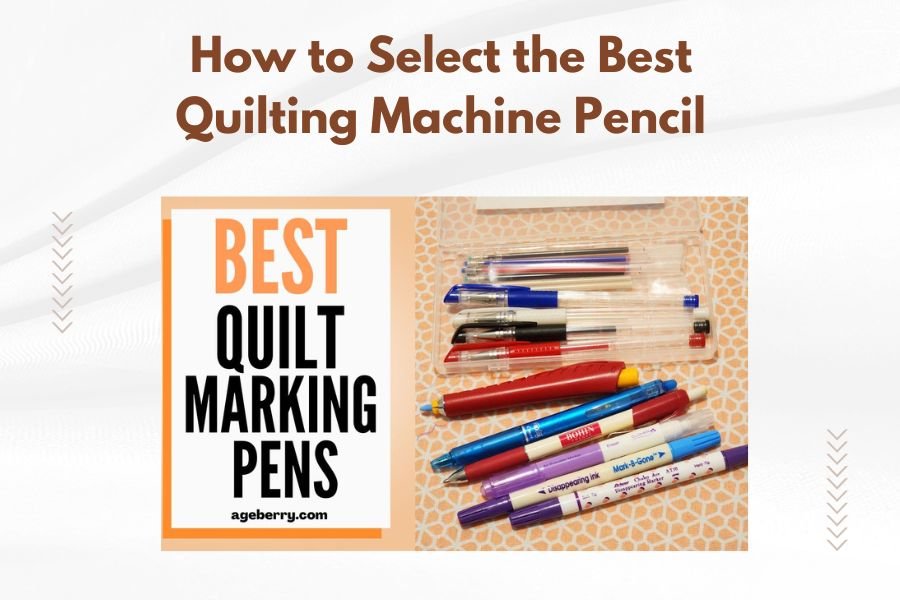
The best quilting machine pencil should have a fine, removable lead that won’t damage fabric and erases cleanly without leaving residue.
Choose quilting machine pencils with ceramic or graphite leads, ergonomic grips, and heat-resistant properties that work well with your quilting machine’s tension settings.
What Makes a Quilting Machine Pencil Different
Regular pencils just don’t cut it for quilting machines. You need something designed for fabric work. The lead must be gentle enough not to snag delicate materials. The marks need to disappear completely when you’re done.
I found that quilting machine pencils use special lead formulations. They’re softer than regular pencils but harder than art pencils. This balance helps them glide smoothly across fabric without tearing fibers.
Why Regular Pencils Fail
Standard school pencils contain clay and graphite that can leave permanent marks on fabric. The lead is too hard and can damage delicate threads. Plus, regular erasers often leave smudges that set into fabric over time.
Special Features You Need
Look for pencils with removable marks that wash out or fade away. Heat-erasable options work great if your quilting process involves pressing. Water-soluble pencils disappear with a damp cloth.
Types of Quilting Machine Pencils
You’ve got several options when picking your quilting pencil. Each type works better for different projects and fabric types.
Water-Soluble Pencils
These pencils wash out completely with water. Perfect for light-colored fabrics where you want zero trace of markings. I researched and found they work best on cotton and cotton blends.
The downside? They can smudge if you accidentally get them wet during quilting. Keep a dry workspace when using these.
Air-Erasable Pencils
These marks fade away on their own over 24-48 hours. Great for quick projects where you don’t want to worry about erasing. They work well on most fabric types.
But here’s the catch – they disappear whether you’re ready or not. Don’t use these for long projects that take weeks to complete.
Heat-Erasable Pencils
The marks vanish when you press them with a warm iron. Perfect for quilting processes that include pressing steps. The heat makes the marks completely disappear.
Just make sure your fabric can handle the heat needed to erase the marks. Delicate fabrics might not be suitable for this type.
Ceramic Lead Pencils
These use ceramic instead of graphite. The marks are very fine and precise. Great for detailed quilting patterns that need accuracy.
Graphite-Free Options
Some pencils use clay-based leads that won’t leave gray marks. Better for white and very light fabrics where any gray residue would show.
Lead Hardness and Fabric Compatibility
Not all pencil leads work with every fabric. You need to match your pencil hardness to your material type.
Soft Leads for Delicate Fabrics
Silk, satin, and lightweight cottons need gentle treatment. Soft leads glide without catching on fibers. They make lighter marks that are easier to remove completely.
Medium Leads for Standard Cotton
Most quilting cotton works well with medium-hardness leads. They give you good visibility without being too harsh on the fabric.
Harder Leads for Heavy Fabrics
Denim, canvas, and thick batting need firmer pressure to show marks. Harder leads can handle the pressure without breaking.
Grip and Comfort Features
Your hands will thank you for choosing a comfortable quilting pencil. Long quilting sessions can be hard on your fingers and wrist.
Ergonomic Designs
Look for pencils with wider barrels or soft grip areas. These reduce hand fatigue during long marking sessions. Triangle-shaped pencils prevent rolling off your work surface too.
Weight Distribution
A well-balanced pencil feels natural in your hand. Too heavy and your hand gets tired. Too light and you lose control. Test the weight if you can before buying.
Grip Texture
Smooth pencils can slip in your hand, especially if your fingers get warm. Textured grips give you better control and confidence while marking.
Color Options and Visibility
You need to see your marks clearly while working. But you also want them to disappear completely when finished.
White Pencils for Dark Fabrics
Dark blues, blacks, and deep purples need white or light-colored marking pencils. Regular gray graphite just disappears on dark materials.
Blue and Pink for Light Fabrics
Light blue and pink show up well on white and cream fabrics. These colors typically erase or wash out more easily than darker marks.
Silver and Yellow Options
Silver works on both light and medium fabrics. Yellow shows up well on darker materials but might not be visible enough on light ones.
Testing Your Pencil Choice
Never trust a new pencil on your good fabric. Always test first on scraps of the same material you’ll be quilting.
Mark and Erase Test
Make several test marks on your fabric scrap. Try erasing them using the pencil’s recommended method. Check for any residue or discoloration.
Wash Test
If your project will be washed, test wash your marked fabric scrap. Some marks that seem to erase can reappear after washing.
Heat Test
Press your test fabric with an iron to see if heat affects the marks. Some pencils that claim to be removable can set permanently with heat.
Brand Quality Differences
Not all quilting pencils are created equal. Some brands consistently perform better than others.
Professional vs. Hobby Brands
Professional-grade pencils cost more but typically erase more completely. They’re worth the extra cost for important projects or expensive fabrics.
Hobby-grade pencils work fine for practice pieces and everyday quilting. Just test them more carefully before using on special projects.
Lead Consistency
Quality brands maintain consistent lead hardness throughout the pencil. Cheaper options might have hard spots that scratch fabric or soft spots that break easily.
| Pencil Type | Best For | Removal Method | Fabric Compatibility |
|---|---|---|---|
| Water-Soluble | Light fabrics, precise work | Damp cloth or washing | Cotton, linen, most quilting fabrics |
| Air-Erasable | Quick projects | Fades automatically | Most fabric types |
| Heat-Erasable | Projects with pressing steps | Warm iron | Heat-tolerant fabrics only |
| Ceramic | Detailed patterns | Varies by brand | All fabric types |
Storage and Care
Proper storage keeps your quilting pencils working well longer. These specialty pencils need more care than regular pencils.
Keep Them Dry
Moisture can affect the lead quality in quilting pencils. Store them in a dry place away from humidity.
Protect the Points
Sharp points make cleaner marks. Use point protectors or store pencils in a case to prevent damage.
Temperature Considerations
Extreme temperatures can change how the lead behaves. Don’t leave pencils in hot cars or freezing workshops.
Common Mistakes to Avoid
I’ve seen quilters make the same pencil mistakes over and over. Learn from others’ experiences.
Using Too Much Pressure
Heavy-handed marking can damage fabric and make marks harder to remove. Light pressure usually gives you visible marks without fabric damage.
Not Testing First
Skipping the test step ruins more projects than any other mistake. Every fabric and pencil combination behaves differently.
Wrong Pencil for the Job
Using water-soluble pencils in humid environments or air-erasable ones for long projects causes problems. Match your pencil type to your working conditions.
When to Replace Your Pencil
Quilting pencils don’t last forever. Know when it’s time to get a new one.
Lead Quality Changes
If the lead starts scratching fabric or leaving inconsistent marks, replace it. Old lead can damage expensive materials.
Erasing Problems
When marks stop erasing cleanly, the pencil’s chemistry might have changed. Don’t risk permanent marks on your quilts.
Conclusion
Choosing the right quilting machine pencil makes a real difference in your finished projects. Start with water-soluble options for most cotton quilting work. Test every pencil on fabric scraps before using it on your actual quilt. Pay attention to lead hardness, grip comfort, and removal methods that match your quilting style.
Remember that a good quilting pencil is an investment in better results. Don’t skimp on this tool – your beautiful quilts deserve marks that disappear completely. Keep several types on hand for different fabrics and project needs. With the right pencil, your quilting lines will be precise and your finished work will be clean and professional.
What’s the difference between quilting pencils and regular fabric markers?
Quilting pencils create finer, more precise lines than markers and typically erase more completely. Markers can bleed through fabric layers and leave wider marks that are harder to follow accurately.
Can I use mechanical pencils for quilting instead of traditional quilting pencils?
Regular mechanical pencils aren’t recommended because their graphite can leave permanent marks on fabric. If you prefer mechanical pencils, buy ones specifically designed for fabric with removable leads.
How long do air-erasable quilting pencil marks actually last?
Most air-erasable marks fade within 24-48 hours, but humidity and temperature affect this timing. In very dry conditions, marks might fade in 12 hours. In humid environments, they could last 72 hours or more.
Do quilting pencils work on dark fabrics like black cotton?
Standard quilting pencils don’t show up well on dark fabrics. You need white, silver, or yellow quilting pencils for dark materials. Always test visibility and removal on dark fabric scraps first.
What should I do if quilting pencil marks won’t erase completely?
Try the removal method recommended for your specific pencil type first. If marks persist, gentle fabric-safe bleach or specialty fabric cleaners might help. For valuable quilts, consult a textile preservation expert before trying harsh removal methods.