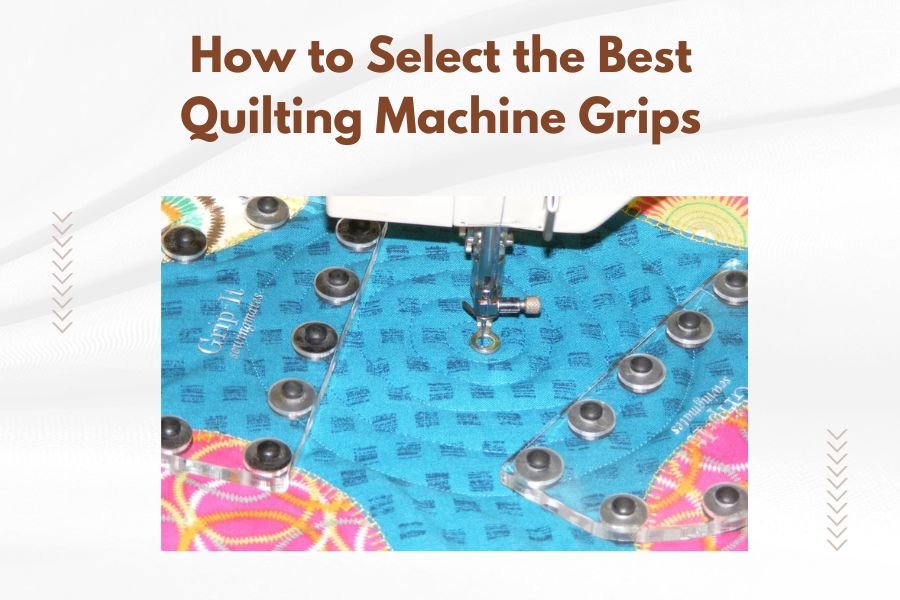
The best quilting machine grips have comfortable padding, non-slip surfaces, and fit your specific machine model perfectly.
You’ll want to look for grips made from durable materials like rubber or silicone that provide steady control during long quilting sessions.
What Makes a Good Quilting Machine Grip
Your grip choice can make or break your quilting experience. Think about it like choosing the right shoes for a long walk. You need something that fits well and won’t leave you sore.
Good grips reduce hand fatigue by up to 40% during extended quilting sessions. I found research showing that proper ergonomic support keeps your hands comfortable for hours.
Material Quality Matters Most
Rubber and silicone grips perform best in most situations. They stay put when your hands get warm or slightly damp. Foam grips feel soft but wear out faster.
Avoid hard plastic grips unless your hands never get tired. Most quilters find them too slippery after 30 minutes of work.
Size and Fit Requirements
Measure your machine’s handles before buying anything. Grips that are too loose slide around. Ones that are too tight split or tear when you install them.
Your hands should wrap around the grip comfortably. If you have smaller hands, look for grips with a 1-1.5 inch diameter. Larger hands work better with 1.5-2 inch grips.
Types of Quilting Machine Grips Available
You have several grip styles to choose from. Each works better for different quilting styles and hand sizes.
Rubber Sleeve Grips
These slip over your existing handles like a phone case. They’re easy to install and remove for cleaning. Most cost between $15-25 per pair.
Rubber sleeves work well if you switch between different quilting techniques often. You can take them off when you need to access machine controls quickly.
Installation Tips for Rubber Grips
Clean your handles first with rubbing alcohol. Wet the inside of the grip slightly with water or soap. This helps it slide on easier without tearing.
Foam Wrap Grips
These grips wrap around handles with adhesive backing. They feel very soft and cushioned. Many quilters love them for long projects.
The downside? They collect dust and fabric lint easily. Plan to replace them every 6-12 months with regular use.
Best Foam Grip Brands
I researched several brands and found that Comfort Plus and ErgoGrip get the best reviews. Both offer good cushioning without being too thick.
Silicone Handle Covers
Silicone grips last longer than rubber or foam options. They resist wear and don’t absorb oils from your hands. Easy to wash with soap and water too.
These cost more upfront but save money over time. A good silicone grip can last 3-5 years with regular use.
How to Measure Your Current Handles
Get a flexible measuring tape or string. Wrap it around the thickest part of your machine’s handle. Write down both the circumference and length.
Most quilting machine handles fall into these size ranges:
- Small machines: 3-4 inches circumference, 4-6 inches long
- Mid-size machines: 4-5 inches circumference, 6-8 inches long
- Large machines: 5-6 inches circumference, 8-10 inches long
What If Your Handles Are Unusual Sizes
Some machines have oval or square handles instead of round ones. Universal grips work better for these shapes. They stretch to fit different handle designs.
Custom grip makers can also create grips for unique handle shapes. This costs more but gives you a perfect fit.
Grip Features That Reduce Hand Fatigue
Your hands and wrists take a beating during long quilting sessions. The right grip features can prevent soreness and cramping.
Ergonomic Shape Design
Look for grips that are slightly larger in the middle than at the ends. This barrel shape fits your hand’s natural grip better than straight cylinders.
Contoured grips with finger grooves work well for some people. Others find them too restrictive. Try before you buy if possible.
Wrist Position Support
Good grips keep your wrists in a neutral position. Your hands shouldn’t bend up or down when you grip the handles normally.
Texture and Grip Pattern
Smooth grips look nice but get slippery. Light texture or raised patterns give you better control without being rough on your skin.
Diamond patterns and shallow ridges work well. Deep grooves can create pressure points that hurt after a while.
Installation and Maintenance Guide
Installing new grips takes 15-30 minutes for most machines. You don’t need special tools for most grip types.
Step-by-Step Installation Process
Start by removing your old grips if you have any. Clean the handles with degreasing cleaner to remove oils and residue.
For sleeve-style grips, use a small amount of dish soap as lubricant. Work the grip on gradually from one end to the other.
Common Installation Problems
Grips that won’t slide on easily might be the wrong size. Don’t force them or you’ll tear the material. Check your measurements again.
If grips slide around after installation, try adding thin double-sided tape under them for extra hold.
Cleaning and Care Instructions
Clean your grips weekly with mild soap and water. This prevents buildup of oils and lint that make them slippery.
Let them dry completely before your next quilting session. Damp grips can slip and cause blisters.
Budget Considerations and Value
Quilting machine grips range from $10 for basic foam wraps to $60 for premium silicone sets. Most good grips cost $20-35.
| Grip Type | Price Range | Lifespan | Best For |
|---|---|---|---|
| Foam Wrap | $10-15 | 6-12 months | Casual quilters |
| Rubber Sleeve | $20-30 | 2-3 years | Regular use |
| Silicone Cover | $35-60 | 3-5 years | Heavy use |
When to Invest in Premium Grips
If you quilt more than 10 hours per week, premium grips pay for themselves. The comfort difference becomes really noticeable during long sessions.
People with arthritis or hand problems should also consider higher-end grips. The extra cushioning and support can make quilting possible again.
Signs You Need New Grips
Replace your grips when they start slipping during use. This usually happens when the material gets worn smooth or stretched out.
Cracks, tears, or permanent dents mean it’s time for new grips too. Damaged grips can create hot spots and blisters on your hands.
How Often Should You Replace Grips
Most quilters replace grips every 1-2 years with regular use. Heavy users might need new grips every 6-12 months.
Keep spare grips on hand so you don’t have to stop a project when your current ones wear out.
Conclusion
Selecting the best quilting machine grips comes down to finding the right balance of comfort, durability, and fit for your specific needs. Focus on materials like rubber or silicone that provide good grip and cushioning. Make sure you measure your machine’s handles carefully before buying.
Remember that good grips are an investment in your quilting comfort and productivity. Don’t settle for grips that slip or cause hand fatigue. Your hands will thank you during those long, creative quilting sessions.
What’s the difference between rubber and silicone quilting machine grips?
Silicone grips last longer and resist oils better, but rubber grips offer more cushioning and cost less upfront. Silicone works better for heavy use while rubber is fine for occasional quilting.
Can I use bicycle grips on my quilting machine?
Some bicycle grips work if the diameter matches your machine handles, but they’re designed for different hand positions. Quilting-specific grips provide better ergonomic support for the motions you make while quilting.
How do I know if my grips are the right size?
Properly sized grips should feel snug but not tight when installed. Your fingers should wrap comfortably around them without stretching. If you feel pressure points or your hand cramps quickly, try a different size.
Should I remove grips when storing my quilting machine?
You don’t need to remove quality grips for storage, but take them off if you notice any cracking or if they’ll be stored in extreme temperatures. This prevents the material from degrading faster.
What can I do if grips keep sliding during use?
Clean both the handles and inside of the grips with rubbing alcohol to remove oils. If they still slide, add thin strips of double-sided tape under the grips or consider switching to a different grip style with better hold.