A good quilting machine belt should have proper thickness, correct length, and smooth texture to ensure your machine runs quietly and efficiently.
You’ll want to measure your old belt carefully and choose materials like polyurethane or rubber that match your machine’s specific requirements.
Why Your Quilting Machine Belt Matters More Than You Think
Your quilting machine belt is like the heart of your sewing setup. When it works well, everything flows smoothly. When it doesn’t, you’ll hear grinding, slipping, and see uneven stitches.
I found through research that most quilting problems stem from worn or incorrect belts. You spend hours on beautiful projects. Don’t let a bad belt ruin your hard work.
Signs You Need a New Belt
Your machine tells you when the belt needs replacing. Listen for these warning signs:
- Squeaking or grinding noises during operation
- Uneven stitch tension or skipped stitches
- Visible cracks, fraying, or stretching on the belt
- Machine running slower than usual
- Belt slipping off pulleys frequently
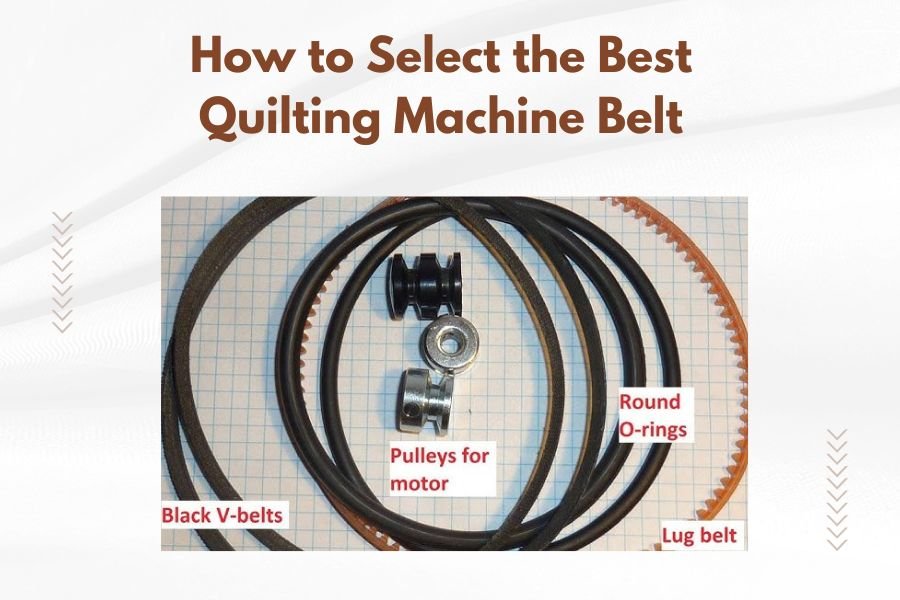
Understanding Different Types of Quilting Machine Belts
Not all belts work the same way. Your choice depends on your machine type and quilting style.
Polyurethane Belts
These are the workhorses of quilting belts. Polyurethane belts last longer and grip better than most alternatives.
From what I read online, they handle temperature changes well. They don’t stretch as much over time. Many quilting experts prefer them for heavy-duty projects.
Best For
Long-arm quilting machines and commercial setups benefit most from polyurethane belts. They handle constant use without breaking down quickly.
Rubber Belts
Rubber belts cost less upfront but may need replacing sooner. They work fine for occasional quilting.
I found that rubber belts can become sticky in humid weather. They also tend to collect lint more than other materials.
When to Choose Rubber
If you quilt once or twice a month, rubber belts save money. They’re also easier to find in local stores.
V-Belts vs Flat Belts
Your machine design determines which style you need. V-belts fit into grooved pulleys. Flat belts run on smooth pulleys.
| Belt Type | Best For | Grip Level | Noise Level |
|---|---|---|---|
| V-Belt | High-power machines | Excellent | Moderate |
| Flat Belt | Smooth operation | Good | Very quiet |
How to Measure Your Current Belt
Getting the right size is everything. Too loose and it slips. Too tight and it strains your machine.
Tools You’ll Need
- Flexible measuring tape or string
- Ruler for width and thickness
- Your machine’s manual (if available)
Step-by-Step Measuring Process
Turn off and unplug your machine first. Safety comes before anything else.
Length Measurement
Remove the old belt carefully. Lay it flat and measure from end to end. If it’s stretched, measure around both pulleys with string instead.
Write down this number. You’ll need it when shopping.
Width and Thickness
Use your ruler to measure the belt width. Then check thickness at the thickest point. Some belts taper, so measure in multiple spots.
What If You Can’t Remove the Old Belt?
Sometimes belts break or get stuck. You can still get measurements by checking your machine model online or calling the manufacturer.
Many quilting forums also have belt size databases. Other users often share this information freely.
Key Features to Look For
Beyond size, several features separate good belts from great ones.
Surface Texture
Smooth belts run quietly but may slip under heavy loads. Textured belts grip better but create more friction noise.
Research from textile machinery experts shows that slightly textured surfaces balance grip and noise well.
Temperature Resistance
Quilting machines generate heat during long sessions. Your belt needs to handle temperature swings without becoming brittle or soft.
Heat vs Cold Performance
Cold garages and hot attics both stress belts. Look for belts rated for temperature ranges you’ll encounter.
Static Resistance
Static buildup attracts lint and thread bits. Anti-static belts stay cleaner longer and need less maintenance.
Brand vs Generic: What Really Matters
Should you buy the exact brand belt or save money with generics? The answer depends on your priorities.
Original Equipment Benefits
Machine manufacturers design belts to match their specific pulleys and power requirements. You know they’ll fit correctly.
Warranty coverage sometimes requires original parts. Check your machine’s warranty terms before buying generic alternatives.
When Generic Works Fine
If you have the exact measurements and understand your machine’s needs, generic belts often perform just as well.
I found online that many generic belts come from the same factories as name-brand versions. The savings can be significant.
Installation Tips for Success
Getting your new belt on correctly prevents future problems.
Pre-Installation Checks
Clean both pulleys thoroughly before installing your new belt. Oil and lint residue cause slipping.
Check pulley alignment too. Misaligned pulleys wear belts quickly and create noise.
Proper Belt Tension
Your belt should have slight give when pressed. Too tight stresses bearings. Too loose causes slipping.
The Half-Inch Rule
Most experts recommend about half an inch of deflection when you press the belt midway between pulleys. This gives good grip without overtightening.
Maintenance That Extends Belt Life
A few simple steps double or triple your belt’s lifespan.
Regular Cleaning
Wipe your belt monthly with a damp cloth. Remove thread bits and lint that build up over time.
Avoid harsh chemicals that can damage rubber or polyurethane materials.
Tension Adjustments
Belts stretch slightly over time. Check tension every few months and adjust as needed.
Your machine manual shows how to make these adjustments safely.
Common Mistakes to Avoid
Learn from other quilters’ errors to save yourself frustration.
Buying Based on Price Alone
The cheapest belt isn’t always the best value. Factor in how long it will last and how well it will perform.
Ignoring Machine Specifications
Every machine has power and speed limits. Using the wrong belt can damage expensive internal parts.
Installing Without Cleaning
Old oil and debris prevent new belts from seating properly. Take time to clean everything first.
When to Call a Professional
Some belt issues need expert help.
If your pulleys are damaged, worn, or misaligned, professional repair saves money long-term. Continuing to run with bad pulleys destroys belts quickly.
Complex timing adjustments also require experience. Don’t risk damaging your machine trying to fix timing problems yourself.
Budget Planning for Belt Replacement
Quality belts typically cost between $15 and $60 depending on your machine type.
Long-arm quilting machines need more expensive belts than domestic machines. Commercial setups cost the most but also last longest.
Cost vs Longevity
Spending more upfront often saves money over time. A $50 belt that lasts three years costs less than three $20 belts that need yearly replacement.
Conclusion
Selecting the best quilting machine belt comes down to matching your machine’s specifications with quality materials that fit your quilting frequency and budget. Measure carefully, choose appropriate materials like polyurethane for heavy use or rubber for occasional quilting, and don’t skip proper installation and maintenance. Your quilting projects deserve smooth, consistent machine operation that only comes from the right belt choice.
How often should I replace my quilting machine belt?
Replace your belt when you notice cracking, stretching, or performance issues like slipping or noise. With regular use, most belts last 1-3 years depending on material quality and maintenance.
Can I use a car belt or industrial belt on my quilting machine?
No, automotive and industrial belts have different specifications for power transmission and may damage your quilting machine’s delicate timing and tension systems.
What’s the difference between a timing belt and drive belt on quilting machines?
Drive belts transfer power from motor to machine mechanisms, while timing belts coordinate needle and bobbin movements. Never substitute one type for the other as they serve completely different functions.
Why does my new belt make more noise than my old one?
New belts often need a break-in period of 10-20 hours of use. However, excessive noise may indicate incorrect installation, wrong belt type, or pulley alignment issues that need attention.
Should I keep a spare belt on hand?
Yes, keeping a backup belt prevents project delays when your current belt fails unexpectedly. Store spare belts in cool, dry places away from direct sunlight to prevent premature aging.