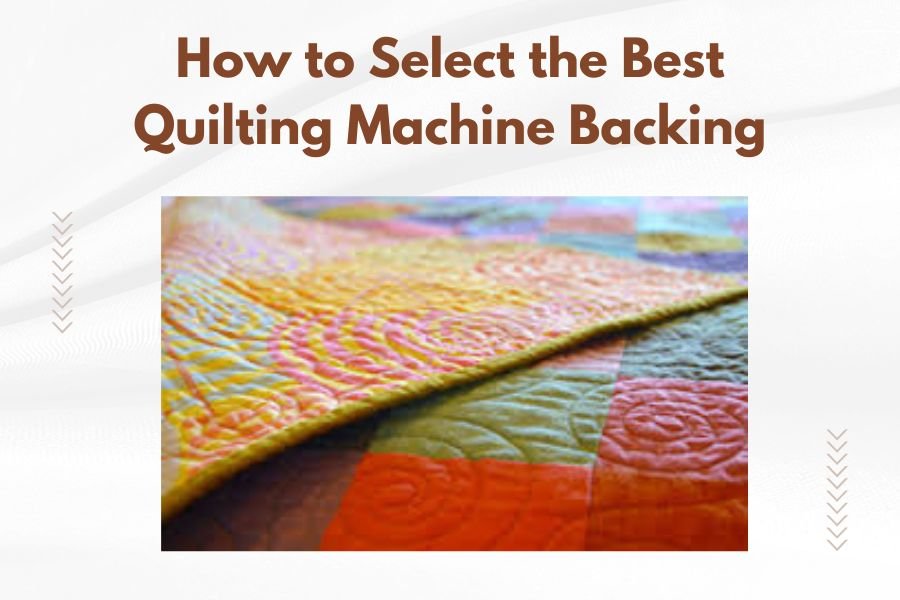
The best quilting machine backing combines cotton content with proper weight – look for 100% cotton or cotton blends in muslin, flannel, or broadcloth that’s 3-4 inches larger than your quilt top on all sides.
Your backing choice directly affects your quilt’s durability, appearance, and how easily it quilts, making fabric selection one of your most important decisions in the quilting process.
What Makes Good Quilting Machine Backing
Good backing starts with understanding your quilt’s purpose. Will it be a daily-use blanket or a wall hanging? The answer shapes everything else.
Cotton remains the gold standard for most quilters. It breathes well, washes easily, and plays nice with your sewing machine. Research from textile experts shows cotton’s consistent weave pattern reduces thread breaks and tension issues.
Weight matters more than you might think. Too light, and your backing puckers. Too heavy, and your machine struggles. Medium-weight fabrics work best for most projects.
Cotton vs Cotton Blends
Pure cotton gives you the most predictable results. It shrinks evenly, accepts dye well, and ages gracefully.
Cotton-poly blends offer wrinkle resistance and durability. They’re great for kids’ quilts or items that need frequent washing. The trade-off? They can be slightly harder to quilt through.
Fabric Weight Considerations
Lightweight muslins work well for hand quilting but can shift during machine quilting. Medium-weight cottons balance stability with ease of stitching.
Heavy denims or canvas look stunning but require industrial-strength machines. Know your equipment’s limits before choosing thick backing.
Types of Backing Fabric
You have more options than the basic white muslin your grandmother used. Each type brings different benefits to your finished quilt.
Muslin Backing
Muslin stays popular for good reason. It’s affordable, comes in wide widths, and accepts any thread color without showing through.
Unbleached muslin adds a vintage look to traditional quilts. Bleached white muslin works when you want the focus entirely on your quilt top design.
When to Choose Muslin
Pick muslin when budget matters most. It’s also perfect for practice quilts or donation projects where function beats form.
Many quilting teachers recommend muslin for beginners. Its neutral color hides uneven stitching while you’re learning.
Flannel Backing
Flannel creates the coziest quilts. Its brushed surface feels soft and adds warmth without bulk.
One challenge with flannel: it can stretch. Pre-wash and handle it gently during the quilting process. Your finished quilt will thank you.
Flannel Benefits
Baby quilts love flannel backing. It’s gentle on sensitive skin and gets softer with each wash.
Winter quilts benefit from flannel’s insulating properties. You get extra warmth without adding a thicker batting.
Broadcloth and Quilting Cotton
These medium-weight fabrics offer the best balance for most projects. They’re stable enough for machine quilting but not so heavy they’ll break your needles.
Quality quilting cotton costs more than muslin but gives you better results. The tighter weave reduces shifting and puckering.
Sizing Your Backing Correctly
Getting the size right prevents headaches during quilting. Too small, and you’ll run out of fabric mid-project. Too large wastes money and creates bulk.
The standard rule: add 3-4 inches to each side of your quilt top. For a 60×80 inch quilt top, you need backing that’s at least 66×86 inches.
Calculating Backing Yardage
Fabric comes in standard widths: 42-45 inches for most quilting cotton, up to 108 inches for wide backing.
For quilts wider than your fabric, you’ll need to piece the backing. Plan your seams to avoid waste and create a pleasing design.
Wide Backing vs Pieced Backing
Wide backing eliminates seams but costs more per yard. It’s worth it for large quilts where seaming would be extensive.
Pieced backing lets you use leftover fabrics or create interesting designs. Many quilters make their backing as decorative as their quilt top.
Color and Pattern Selection
Your backing color affects how quilting shows up. Dark backing hides light thread, while light backing makes dark thread pop.
Consider your quilting thread choice early. If you plan dense quilting with contrasting thread, your backing becomes part of the design.
Neutral vs Bold Backing
Neutral backing keeps attention on your quilt top. Choose cream, beige, or light gray when your top has busy patterns.
Bold backing makes a statement. Bright colors or large prints can transform a simple quilt top into something spectacular.
Print Considerations
Small prints hide quilting imperfections. They’re forgiving for beginners or when time is short.
Large prints can interfere with quilting patterns. Save them for simple, geometric quilting designs.
Preparing Your Backing
Preparation makes the difference between smooth quilting and frustrating snags. Don’t skip these steps, even when you’re excited to start.
Pre-washing Guidelines
Pre-wash all fabrics using the same method you’ll use for the finished quilt. Hot water and regular detergent work for most cotton fabrics.
Skip fabric softener during pre-washing. It can interfere with thread tension and make your fabric slippery to handle.
Drying and Pressing
Remove fabric from the dryer while slightly damp. This prevents over-drying and makes pressing easier.
Press the entire backing before loading it onto your machine. Wrinkles in the backing create puckers in your finished quilt.
Piecing Backing Sections
When joining backing pieces, use a half-inch seam allowance. Press seams open to reduce bulk under the quilt top.
Plan your seam placement thoughtfully. Avoid putting seams directly under important design elements on your quilt top.
Common Backing Mistakes
Learning from others’ mistakes saves time and frustration. These issues come up repeatedly in quilting groups and forums.
Size Miscalculations
Running short on backing ruins your quilting day. Always round up when calculating yardage. Extra backing can become binding or save future projects.
Forgetting shrinkage leads to tight backing after the first wash. Factor in 3-5% shrinkage for cotton fabrics.
Thread and Tension Issues
Mismatched backing and thread weights cause tension problems. Heavy backing needs sturdy thread, while delicate fabrics work better with fine thread.
Skipping test quilting on scraps leads to surprises. Always test your thread, batting, and backing combination before starting your actual quilt.
Budget-Friendly Backing Options
Great quilts don’t require expensive backing. Smart shopping and creative thinking stretch your quilting budget.
Sheet Sets and Thrift Finds
High-quality flat sheets make excellent backing. Look for 100% cotton percale sheets at thrift stores or clearance sales.
Vintage fabrics from estate sales often cost less than new quilting cotton. Check for wear and tear before purchasing.
Sale Shopping Strategies
Buy backing fabric during end-of-bolt sales. Most quilting stores discount remnants that are perfect for smaller projects.
Join fabric store mailing lists for advance notice of sales. Stock up on neutral backing during major promotions.
| Backing Type | Best For | Price Range | Special Notes |
|---|---|---|---|
| Muslin | Budget projects, practice quilts | $3-6/yard | Available in wide widths |
| Flannel | Baby quilts, winter bedding | $5-10/yard | Pre-wash to prevent stretching |
| Quilting Cotton | Most quilt projects | $6-15/yard | Best balance of quality and price |
| Wide Backing | Large quilts, avoiding seams | $10-20/yard | 108-120 inch widths available |
Conclusion
Selecting the best quilting machine backing comes down to matching your fabric choice to your project’s needs and your machine’s capabilities. Cotton and cotton blends provide the most reliable results, while proper sizing and preparation ensure smooth quilting.
Remember that your backing choice affects both the quilting process and the finished product’s durability. Take time to consider factors like weight, color, and intended use before making your final decision. With the right backing, your quilting machine will run smoothly, and your finished quilt will last for years to come.
What’s the difference between wide backing and regular fabric for quilts?
Wide backing fabric comes in 108-120 inch widths, eliminating the need to piece backing for large quilts. Regular quilting fabric is typically 42-45 inches wide and requires seaming for quilts larger than about 40 inches square. While wide backing costs more per yard, it saves time and creates a seamless back for your quilt.
Can you use bed sheets as quilt backing?
Yes, 100% cotton flat sheets make excellent quilt backing, especially percale weave sheets. Avoid jersey knit or microfiber sheets as they stretch and don’t work well with quilting machines. Thrift store sheets often provide high-quality backing at budget-friendly prices, just make sure to pre-wash them first.
How much extra backing fabric should you buy?
Purchase enough backing fabric to extend 3-4 inches beyond your quilt top on all sides. For a 60×80 inch quilt, buy backing that measures at least 66×86 inches. This extra fabric accommodates potential shifting during quilting and provides room for trimming to create perfectly squared edges.
Should quilt backing be lighter or darker than the quilt top?
The backing color should complement your quilting thread choice rather than your quilt top. Light backing shows dark quilting thread beautifully, while dark backing hides light thread. If you’re using matching thread that blends with your quilt top, backing color becomes a personal preference and design choice.
What weight batting works best with different backing fabrics?
Match your batting weight to your backing fabric weight for best results. Lightweight muslin pairs well with thin cotton batting, while flannel backing can handle medium-weight batting. Heavy backing fabrics like denim work with thick batting but require a robust quilting machine to handle the bulk.