Machine cleaning swabs are specialized cotton-tipped tools designed to remove lint, dust, and debris from your quilting machine’s internal components safely.
The best machine cleaning swabs feature tightly wound cotton tips, appropriate shaft length for your machine type, and lint-free construction that won’t leave residue behind.
Your quilting machine works hard, stitching through layers of fabric day after day. But when was the last time you gave it a proper deep clean? Just like your car needs oil changes, your machine needs regular maintenance to keep running smoothly.
Cleaning swabs might seem like a small detail, but using the wrong ones can actually damage delicate parts or leave behind more mess than you started with. Let me walk you through everything you need to know about picking the right cleaning swabs for your machine.
Why Your Quilting Machine Needs Special Cleaning Swabs
Regular cotton swabs from your bathroom cabinet won’t cut it for machine cleaning. Those swabs often have loose cotton that can break off inside your machine, creating bigger problems.
Quilting machines have tight spaces around the bobbin case, feed dogs, and tension discs. These areas collect lint and thread bits that can jam your machine or affect stitch quality. When I researched this topic, I found that many machine repair issues stem from poor cleaning habits.
What Makes Machine Cleaning Swabs Different
Machine-specific swabs use tightly wound cotton that won’t unravel. The cotton is often treated to be lint-free and more absorbent than regular cotton swabs.
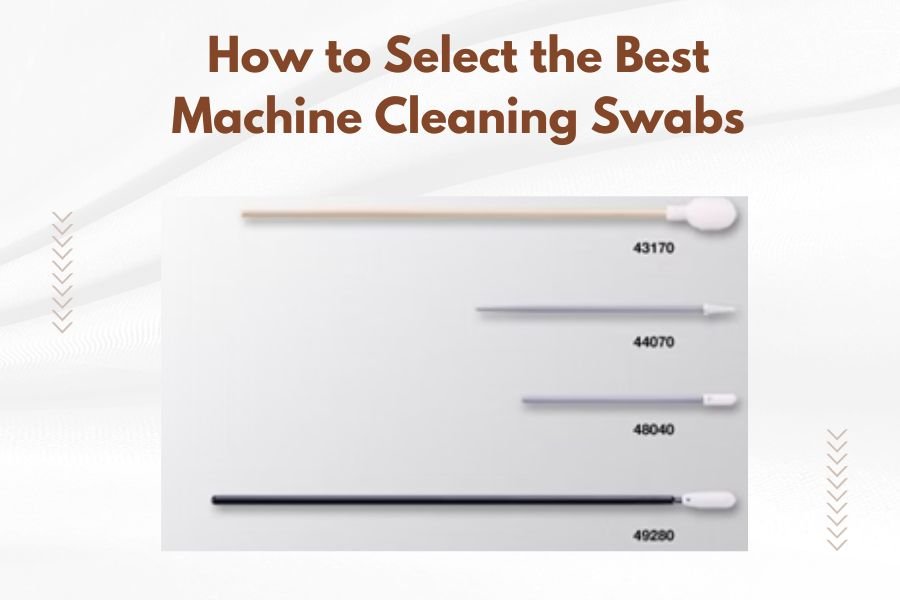
The shafts are usually longer and sometimes bendable, letting you reach into narrow spaces without forcing anything. Some have pointed tips instead of rounded ones for getting into corners.
Key Features to Look for in Quality Cleaning Swabs
Not all cleaning swabs are created equal. Here’s what separates the good ones from the ones that might cause problems.
Cotton Quality and Construction
Look for swabs with 100% cotton tips that are tightly wound around the shaft. The cotton should feel firm when you squeeze it, not loose or fluffy.
Avoid swabs where you can see cotton fibers sticking out at odd angles. These loose fibers will definitely end up inside your machine. Quality swabs have smooth, even cotton coverage.
Lint-Free vs Regular Cotton
Lint-free cotton costs a bit more but saves you headaches later. This cotton is processed to remove short fibers that would otherwise break off during cleaning.
When you’re cleaning lint out of your machine, the last thing you want is your cleaning tool adding more lint to the problem.
Shaft Length and Flexibility
Standard cotton swabs are usually 3-4 inches long. Machine cleaning swabs often come in 6-8 inch lengths, giving you better reach.
Some swabs have bendable shafts made from thin wire or flexible plastic. These let you curve the swab to reach around obstacles without bending the cotton tip.
Shaft Material Considerations
Plastic shafts are lightweight but can snap if you apply too much pressure. Wooden shafts are sturdy but don’t bend. Wire shafts offer the most flexibility but require gentle handling.
Paper shafts work fine for basic cleaning but may soften if you use cleaning solutions. Choose based on how you plan to use them.
Tip Shape and Size Options
Round tips work well for general cleaning and won’t scratch delicate surfaces. Pointed tips help you get into tight corners and crevices.
Some swabs have different tip sizes on each end – a larger tip for general areas and a smaller one for detail work. This gives you more options without switching tools.
Different Types of Machine Cleaning Swabs
You’ll find several styles of cleaning swabs designed for different cleaning tasks. Here’s how to match the right type to your needs.
Standard Cotton Swabs
These look similar to regular cotton swabs but with better cotton quality. They work well for routine cleaning of easily accessible areas like the bobbin case and around the needle plate.
Standard swabs usually come in bulk packages, making them cost-effective for regular maintenance. They’re perfect if your machine has good access to most cleaning areas.
Extended Reach Swabs
With shafts 6-8 inches long, these swabs help you clean deeper into your machine’s interior. They’re especially useful for longarm quilting machines or machines with deeper throat spaces.
The longer length also gives you better leverage when cleaning stubborn buildup. You won’t have to strain your hand trying to reach difficult spots.
Bendable vs Rigid Extended Swabs
Bendable extended swabs cost more but offer superior access to curved areas inside your machine. You can shape them to follow the contours of internal parts.
Rigid extended swabs work fine if your machine has fairly straight paths to the areas that need cleaning. They’re more durable for repeated use.
Precision Detail Swabs
These swabs have very small, pointed tips designed for cleaning tiny spaces. They work great around tension discs, in thread guides, and other small components.
Detail swabs often come with firmer cotton that won’t compress too much when you push into tight spots. The small tip size means you use less cleaning solution too.
Foam Tip Swabs
Some cleaning swabs use small foam tips instead of cotton. Foam doesn’t leave fibers behind and can be more durable for scrubbing stubborn residue.
Foam tips absorb cleaning solutions well and release them gradually as you clean. They’re particularly good for cleaning around computerized machine components where lint-free cleaning is essential.
Choosing Swabs for Your Machine Type
Different quilting machines have different cleaning needs. What works perfectly for a basic home machine might not be ideal for a longarm setup.
Home Quilting Machines
Most home quilting machines work well with standard machine cleaning swabs in the 4-6 inch length range. You’ll primarily clean the bobbin area, around the feed dogs, and the upper thread path.
Look for swabs with both round and pointed tips. The round tips clean general areas without scratching, while pointed tips help you get lint out of corners.
Computerized vs Mechanical Machines
Computerized machines often have more sensitive components that require lint-free cleaning. Stick with high-quality cotton or foam tip swabs to avoid introducing debris near electronic parts.
Mechanical machines are generally more forgiving, but you still want good quality swabs to avoid leaving cotton fibers behind.
Longarm Quilting Machines
Longarm machines typically need longer swabs because of their size and design. Extended reach swabs in the 8-inch range work well for most longarm cleaning tasks.
The larger scale of longarm machines means you might go through more swabs per cleaning session. Consider buying swabs in bulk to keep costs reasonable.
Serger and Overlock Machines
Sergers create lots of lint and thread waste, making regular cleaning essential. The multiple thread paths and loopers create many small spaces where debris collects.
Detail swabs with pointed tips work especially well for serger cleaning. The ability to get into tight spaces around loopers and thread guides makes cleaning much more effective.
What to Avoid When Selecting Cleaning Swabs
Some swabs that look good in the package can cause problems when you actually use them. Here are red flags to watch out for.
Poor Cotton Quality Indicators
Avoid swabs where the cotton feels loose or you can pull fibers off easily. If cotton comes off on your fingers just from handling the package, it will definitely shed inside your machine.
Cotton that looks uneven or lumpy often indicates lower quality manufacturing. You want smooth, evenly distributed cotton around the entire tip.
Inappropriate Shaft Materials
Very cheap plastic shafts can crack or break inside your machine, creating a repair nightmare. Shafts that feel flimsy when you bend them slightly are probably not sturdy enough for machine cleaning.
Metal shafts can scratch delicate machine surfaces if you’re not careful. Unless you specifically need the durability, stick with quality plastic or wooden shafts.
Wrong Size or Shape for Your Needs
Swabs that are too large won’t fit into the spaces you need to clean. Ones that are too small might not clean effectively or could break under normal pressure.
Think about the specific areas you clean most often in your machine. Choose swabs that match those cleaning tasks rather than just picking whatever’s cheapest.
How Many Cleaning Swabs Do You Need
The number of swabs you’ll use depends on how often you clean your machine and how thoroughly you clean it each time.
For Regular Maintenance Cleaning
A basic maintenance cleaning might use 3-5 swabs if your machine is reasonably clean. You’ll use one for the bobbin case, one for around the feed dogs, and a few for the upper thread path and tension areas.
If you clean your machine after every few projects, this light cleaning approach works well and doesn’t require many swabs per session.
For Deep Cleaning Sessions
When you do a thorough deep clean, you might go through 10-15 swabs or more. Deep cleaning means getting into every accessible space and possibly using cleaning solutions that require multiple passes.
It’s better to use a fresh swab for each area rather than spreading dirt from one area to another. This prevents cross-contamination during cleaning.
Buying in Bulk vs Small Packages
Buying swabs in larger quantities usually reduces the per-unit cost significantly. If you clean regularly or own multiple machines, bulk buying makes financial sense.
Smaller packages work fine if you clean infrequently or want to try different swab types before committing to a large quantity.
Storage and Care of Your Cleaning Swabs
Proper storage keeps your swabs clean and ready to use. Cotton swabs can pick up dust and debris if stored poorly, defeating the purpose of using them for cleaning.
Keeping Swabs Clean Before Use
Store swabs in a closed container or resealable bag to protect them from airborne dust. A simple plastic container with a tight lid works perfectly.
Avoid storing swabs in areas where they might pick up lint or other debris. Your sewing room might seem convenient, but it’s probably dustier than you realize.
Organizing Different Types
If you use multiple types of swabs, keep them separated so you can grab the right one quickly. Small labeled containers or compartmented storage boxes work well.
Consider keeping a small container of swabs right near your machine for quick touch-up cleaning during projects.
Cost Considerations and Value
Machine cleaning swabs range from very inexpensive to moderately priced. The key is finding the right balance between quality and cost for your cleaning needs.
Budget vs Premium Options
Basic machine cleaning swabs might cost half as much as premium ones, but they could leave fibers behind or break during use. Premium swabs last longer and clean more effectively.
For regular maintenance cleaning, mid-range swabs often provide the best value. Save the premium swabs for deep cleaning or when working around sensitive machine components.
| Swab Type | Best For | Cost Range | Durability |
|---|---|---|---|
| Basic Cotton | Light cleaning | Low | Single use |
| Extended Reach | Deep areas | Medium | Single use |
| Precision Detail | Small components | Medium-High | Single use |
| Foam Tip | Electronic areas | High | Reusable |
When to Invest in Higher Quality
If you own an expensive quilting machine, spending a bit more on quality cleaning swabs makes sense. The cost of swabs is tiny compared to potential repair costs from poor cleaning.
Professional quilters or those who use their machines daily should definitely invest in better cleaning supplies. The improved reliability and cleaning effectiveness pay for themselves quickly.
Common Mistakes When Using Cleaning Swabs
Even with good swabs, you can make mistakes that reduce cleaning effectiveness or potentially damage your machine.
Using Too Much Pressure
Cleaning swabs work through gentle contact, not force. Pushing too hard can compress the cotton tip so much that it becomes ineffective, or you might damage delicate machine parts.
Let the swab do the work. If gentle pressure isn’t removing debris, you might need a cleaning solution or a different cleaning approach.
Reusing Dirty Swabs
Once a swab picks up lint and debris, it’s done its job. Trying to reuse it just spreads the dirt around instead of removing it.
I know it seems wasteful to throw away swabs that look mostly clean, but fresh swabs clean much more effectively than used ones.
Forgetting to Clean All Areas
It’s easy to focus on obvious areas like the bobbin case and miss other important spots. The upper thread path, tension discs, and around the needle bar also need regular attention.
Develop a cleaning routine that covers all areas systematically. This ensures consistent cleaning and helps you notice when something needs extra attention.
Conclusion
Selecting the right machine cleaning swabs doesn’t have to be complicated, but it does make a real difference in your quilting machine’s performance and longevity. Focus on quality cotton construction, appropriate length for your machine type, and lint-free materials that won’t add to your cleaning problems.
Remember that good cleaning swabs are an investment in your machine’s health. Whether you choose basic cotton swabs for routine maintenance or invest in extended reach and precision options for thorough cleaning, consistent use of quality swabs will keep your quilting machine running smoothly for years to come. Your machine works hard for you – give it the care it deserves with the right cleaning tools.
What’s the difference between regular cotton swabs and machine cleaning swabs?
Machine cleaning swabs use tightly wound, lint-free cotton that won’t shed fibers inside your quilting machine. Regular bathroom cotton swabs often have loose cotton that can break off and create more debris, while machine swabs are specifically designed to remove lint without leaving residue behind.
How often should I replace my cleaning swabs during a cleaning session?
Replace your cleaning swab as soon as it becomes visibly dirty or stops picking up debris effectively. For most machines, this means using 3-5 swabs for routine cleaning and 10-15 swabs for deep cleaning sessions. Using a fresh swab for each machine area prevents spreading dirt around.
Can I use foam tip swabs on all parts of my quilting machine?
Foam tip swabs work well for most machine cleaning tasks, especially around electronic components where lint-free cleaning is essential. They’re particularly good with cleaning solutions since they absorb and release liquids gradually, but cotton swabs may be better for dry cleaning of heavily linty areas.
Are extended reach swabs necessary for home quilting machines?
Extended reach swabs aren’t always necessary for home machines, but they do make cleaning easier and more thorough. If your machine has good access to cleaning areas, standard 4-6 inch swabs work fine. Extended swabs become more valuable for machines with deeper throat spaces or harder-to-reach components.
Should I buy cleaning swabs in bulk or small packages when starting out?
Start with smaller packages to try different swab types and see what works best for your machine and cleaning style. Once you find swabs you like and establish a regular cleaning routine, buying in bulk can save money. Most quilters use 5-10 swabs per cleaning session, so calculate based on how often you clean.