The best foot for your sewing machine depends on your project type. Universal presser feet work for basic stitching, while specialty feet like zipper, buttonhole, and walking feet serve specific tasks.
Match your presser foot to your fabric and technique. Heavy fabrics need walking feet, delicate materials require roller feet, and decorative stitching calls for embroidery or open-toe feet.
Understanding Presser Foot Basics
Think of presser feet as specialized tools in a toolbox. Each one does a different job. Your machine probably came with several feet, but you might not know what they do.
The presser foot holds fabric against the feed dogs while you sew. Different feet create different results. Some grip fabric tighter. Others let it move freely. Some have special grooves or openings.
How Presser Feet Attach to Your Machine
Most modern machines use snap-on feet. You lift the presser foot lever and the foot pops off. Snap the new one on and you’re ready.
Older machines might use screw-on feet. You’ll need a small screwdriver to change them. This takes longer but works just as well.
High Shank vs Low Shank Systems
Check your machine’s shank height before buying new feet. Low shank machines are most common. High shank machines need different feet.
Measure from the needle to the bottom of the presser bar. Low shank measures about 3/4 inch. High shank measures about 1.25 inches.
Essential Presser Feet Every Quilter Needs
You don’t need every foot made. Start with these basics and add others as your skills grow.
Universal Presser Foot
This foot comes with every machine. It handles straight stitching and basic zigzag. The opening is wide enough for most decorative stitches too.
Use it for piecing quilt blocks, sewing seams, and general construction. It’s your go-to foot when you’re not sure what else to use.
Quarter-Inch Seam Foot
Quilting lives on accurate quarter-inch seams. This foot makes them automatic. The right edge of the foot sits exactly 1/4 inch from the needle.
Just align your fabric edge with the foot edge. No measuring or marking needed. Your seams will be perfect every time.
Choosing Between Regular and Scant Quarter-Inch
Some quilters prefer scant quarter-inch seams. These are slightly smaller than true quarter-inch. They help when pressing seams to one side.
Try both if you can. See which gives better results with your pressing style.
Walking Foot
This foot has its own feed dogs on top. It grips the top layer of fabric while the machine’s feed dogs move the bottom layer.
Perfect for quilting layers together. Also great for matching stripes or plaids. Heavy fabrics like denim work better with a walking foot too.
Specialty Feet for Advanced Techniques
Once you master the basics, these feet open up new possibilities.
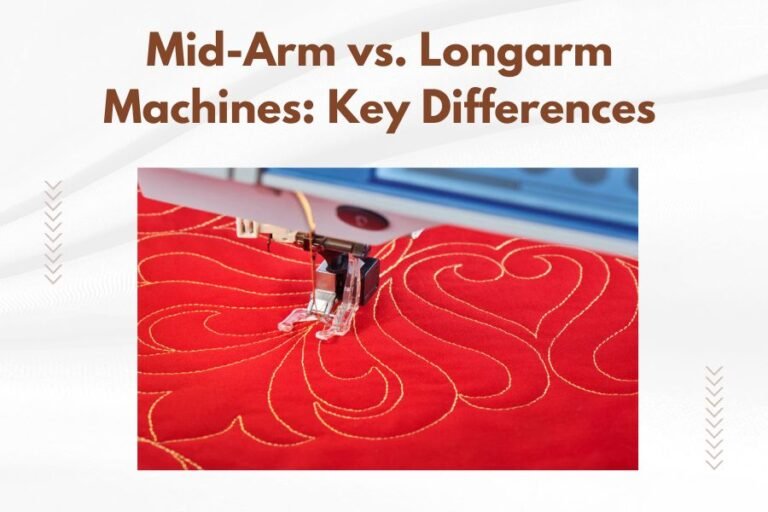
Free Motion Quilting Foot
This foot lets you move fabric in any direction. Lower the feed dogs and you control the movement completely.
Great for custom quilting designs. You can stitch curves, spirals, and intricate patterns. Takes practice but creates beautiful results.
Closed-Toe vs Open-Toe Design
Closed-toe feet protect your fingers better. Open-toe feet let you see your stitching line clearly. Pick based on your comfort level and vision needs.
Zipper Foot
This narrow foot lets you stitch close to zipper teeth. It also works for piping and other raised trims.
The foot can attach on either side of the needle. Move it left or right depending on which side you’re stitching.
Buttonhole Foot
Makes professional buttonholes automatically. Place a button in the back of the foot. The machine measures and creates the perfect size opening.
Some machines have built-in buttonhole programs. The foot works with these to create consistent results.
Choosing Feet for Different Fabric Types
Your fabric choice affects which foot works best. Heavy fabrics need different handling than delicate ones.
Feet for Heavy Fabrics
Thick fabrics like canvas or multiple quilt layers can be tricky. Regular feet might not grip well enough.
Walking feet work great here. They prevent layers from shifting. Roller feet also help with sticky or thick materials.
Feet for Delicate Fabrics
Silk, chiffon, and other delicate fabrics can pucker or snag. They need gentle handling.
Roller feet glide over delicate surfaces without catching. Teflon feet also slide smoothly over sticky or delicate materials.
Preventing Fabric Damage
Test your foot choice on fabric scraps first. Some feet might be too aggressive for very delicate materials.
Reduce presser foot pressure if your machine allows it. This puts less stress on fragile fabrics.
Decorative Stitching Feet
Want to add flair to your quilts? These feet help create beautiful decorative effects.
Embroidery Foot
This foot has a wide opening to accommodate decorative stitches. The clear or open design lets you see your work.
Use it for built-in embroidery stitches, applique work, and decorative edge treatments.
Cording Foot
Guides cord or yarn under your stitching. Creates raised decorative lines or functional drawstrings.
Some cording feet handle multiple strands at once. Great for complex decorative effects.
Budget-Friendly Foot Selection Strategy
You don’t need to buy every foot at once. Build your collection based on your actual projects.
Start with Project Needs
Look at your next few projects. What techniques will you use? Buy feet for those specific needs first.
Generic feet often cost less than brand-name ones. They usually work just as well for basic tasks.
Quality vs Price Considerations
Cheap feet might not fit as precisely as expensive ones. Poor fit can affect stitch quality.
For feet you’ll use often, invest in good quality. For occasional use, generic feet work fine.
| Foot Type | Best Use | Fabric Types | Skill Level |
|---|---|---|---|
| Universal | Basic sewing | All weights | Beginner |
| Quarter-inch | Piecing | Cotton, blends | Beginner |
| Walking | Layer quilting | Heavy, multiple layers | Intermediate |
| Free motion | Custom quilting | All weights | Advanced |
Common Presser Foot Problems and Solutions
Even the right foot can cause issues if not used properly.
Uneven Stitching
If stitches look irregular, check your foot pressure. Too much pressure can distort fabric. Too little lets fabric slip.
Also check that the foot is attached properly. Loose feet create uneven results.
Fabric Bunching or Puckering
This often means the foot isn’t right for your fabric type. Try a roller foot for sticky materials or reduce foot pressure.
Check your thread tension too. Wrong tension can cause puckering even with the right foot.
When to Clean Your Feet
Lint and thread build up on presser feet over time. Clean them regularly with a small brush.
Remove stubborn residue with rubbing alcohol on a cotton swab. Keep feet moving smoothly for best results.
Conclusion
Selecting the right presser foot transforms your sewing experience. Start with basic feet like universal, quarter-inch, and walking feet. Add specialty feet as your skills and projects grow.
Remember that the best foot depends on your specific project needs. Consider your fabric type, stitching technique, and skill level. Don’t be afraid to experiment with different options.
Build your foot collection gradually based on actual use, not impulse purchases. Quality matters for frequently used feet, but generic options work fine for occasional techniques. With the right feet in your toolkit, you’ll achieve better results and enjoy your quilting journey more.
What’s the difference between a walking foot and a regular presser foot?
A walking foot has feed dogs on top that grip the upper fabric layer, while regular feet rely only on bottom feed dogs. This prevents layers from shifting during quilting or when working with thick fabrics.
Can I use generic presser feet on my brand-name sewing machine?
Yes, as long as they match your machine’s shank type (high or low shank). Generic feet often cost less and perform well for basic tasks, though brand-specific feet might fit more precisely.
How do I know if my machine uses high shank or low shank feet?
Measure from the needle to the bottom of the presser bar. Low shank machines measure about 3/4 inch, while high shank measures about 1.25 inches. Your manual will also specify this information.
Why do my quarter-inch seams look uneven even with a quarter-inch foot?
Check that you’re aligning fabric edges consistently with the foot’s guide. Also ensure proper thread tension and that the foot is securely attached. Some quilters prefer scant quarter-inch feet for better pressing results.
How often should I replace my presser feet?
Quality presser feet can last for years with proper care. Replace them when you notice scratches that snag fabric, bent or damaged parts, or when they no longer fit securely on your machine.