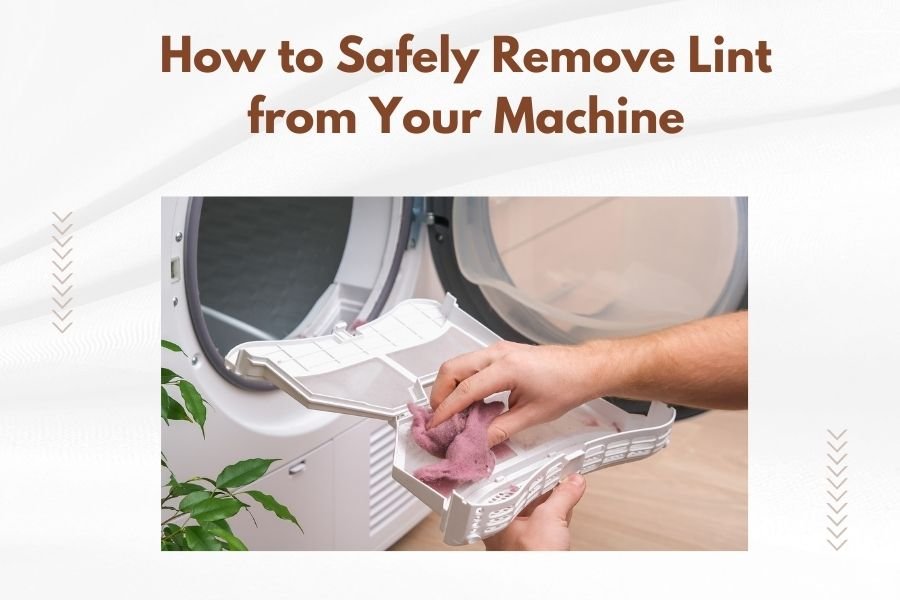
To safely remove lint from your quilting machine, unplug the device and use a lint brush, small vacuum, or canned air to clean the bobbin area, feed dogs, and tension discs.
Regular lint removal every 8-10 hours of sewing prevents jamming, skipped stitches, and costly repairs while keeping your machine running smoothly.
Why Lint Builds Up in Quilting Machines
Every time you sew, tiny fabric fibers break away from your thread and material. These microscopic pieces collect inside your machine like dust bunnies under your bed.
Cotton fabrics create the most lint. Polyester blends produce less, but they still shed. Even high-quality threads leave behind small particles as they move through your machine’s mechanisms.
Where Lint Hides in Your Machine
Lint loves tight spaces where air doesn’t move much. The bobbin case catches most of it because thread passes through this area constantly.
Feed dogs also trap lint between their teeth. Tension discs collect fibers on their surfaces. The thread path from spool to needle picks up particles along the way.
Essential Tools for Safe Lint Removal
You don’t need expensive gadgets to clean your machine properly. A few basic tools will handle most lint problems.
- Small lint brush (often comes with your machine)
- Tweezers for stubborn pieces
- Canned air or small vacuum
- Cotton swabs for detailed cleaning
- Soft cloth for wiping surfaces
Tools to Avoid
Some cleaning methods can damage delicate machine parts. Never use compressed air that’s too powerful. It can push lint deeper into your machine.
Avoid metal tools that might scratch surfaces. Don’t use water or liquid cleaners unless your manual specifically allows them.
Step-by-Step Lint Removal Process
Always start with safety. Unplug your machine completely before you begin cleaning. This prevents accidental needle movement or electrical issues.
Remove your current project and thread from the machine. Take out the needle and presser foot to give yourself better access.
Cleaning the Bobbin Area
The bobbin case collects more lint than anywhere else. Remove the bobbin and bobbin case according to your manual’s instructions.
Use your lint brush to gently sweep out visible fibers. Work from inside to outside, pushing lint toward the opening rather than deeper into the machine.
Check behind the bobbin case if your machine allows removal of additional parts. Many models have a removable hook that reveals more cleaning areas.
Dealing with Packed Lint
Sometimes lint packs tightly into corners. Tweezers help you grab these stubborn clumps without forcing them.
Pull gently and steadily. If lint won’t budge easily, try approaching it from a different angle rather than using more force.
Cleaning Feed Dogs and Throat Plate
Remove the throat plate if possible. Most modern machines have plates that pop out or unscrew easily.
Brush lint from the feed dog teeth using short, gentle strokes. Work along the direction of the teeth rather than against them.
Clean both sides of the throat plate with your brush or cotton swab. Lint often sticks to the underside where you can’t see it during normal sewing.
Using Canned Air Effectively
Hold canned air upright and use short bursts rather than continuous spray. Keep the nozzle several inches away from delicate parts.
Blow air in the direction you want lint to go – toward openings and away from internal mechanisms. Let the machine sit for a minute after using air so displaced lint can settle.
Cleaning Upper Thread Path Areas
Lint collects along the entire thread path from spool pin to needle. Start at the top and work your way down.
Check thread guides for wrapped fibers. These small metal loops can trap thread particles that affect tension.
Tension Disc Maintenance
Tension discs are sensitive parts that control how tightly your thread pulls. Clean them carefully with a soft brush or cotton swab.
Some quilters use dental floss to gently clean between tension discs. Run it through the same path as your thread, but do this very carefully.
Take-Up Lever Care
The take-up lever moves constantly during sewing and can collect lint around its pivot point. Use a small brush to clean around this area.
Don’t force the lever to move while cleaning. Let it rest in its natural position and work around it gently.
How Often Should You Remove Lint
Your cleaning schedule depends on how much you sew and what materials you use. Heavy quilters who sew daily need to clean more often than weekend hobbyists.
I found from talking with machine repair experts that cleaning every 8-10 hours of sewing works well for most quilters. That might mean once a week for busy quilters or once a month for occasional sewers.
| Sewing Frequency | Cleaning Schedule | Signs to Clean Sooner |
|---|---|---|
| Daily (4+ hours) | Every 2-3 days | Skipped stitches, noise |
| Weekly (8-15 hours) | Once a week | Thread breaks, tension issues |
| Occasional (few hours) | Monthly | Visible lint buildup |
Fabric Type Affects Cleaning Needs
Cotton fabrics shed more lint than synthetic materials. If you work mainly with cotton batting and fabrics, you’ll need to clean more often.
Dark fabrics show lint more obviously, but light fabrics create just as much. Don’t let appearances fool you into cleaning less frequently.
Warning Signs Your Machine Needs Cleaning
Your machine will tell you when it needs attention. Listen for changes in sound during sewing. A smooth machine runs quietly.
Grinding, clicking, or unusual humming often means lint is interfering with moving parts. Thread breaks and skipped stitches are other common signs.
Performance Issues from Lint Buildup
Lint affects thread tension by creating drag in the thread path. Your stitches might look uneven or loose even when settings haven’t changed.
Bobbin thread can tangle more easily when lint prevents smooth movement in the bobbin case. This creates bird’s nests on the back of your work.
When to Stop Sewing
If you notice performance problems, stop sewing right away. Continuing to use a dirty machine can damage internal parts or create frustrating sewing problems.
Clean the machine thoroughly before starting your next project. It’s much easier to prevent problems than fix damaged components later.
Preventing Excess Lint Buildup
Good thread quality makes a big difference in lint production. Cheap thread breaks down faster and sheds more fibers during sewing.
Store thread properly to prevent deterioration. Old thread becomes brittle and creates more lint as it moves through your machine.
Machine Setup Tips
Proper threading reduces friction that breaks down thread fibers. Follow your manual’s threading diagram exactly every time you set up.
Check that thread moves smoothly from spool to needle without catching on anything. Rough edges or tight spots create friction and lint.
Needle Maintenance
Dull or damaged needles create more lint by tearing fabric fibers instead of piercing cleanly. Change needles regularly based on your sewing volume.
Use the right needle size for your fabric weight. Needles that are too large create bigger holes and more loose fibers.
Professional Maintenance Schedule
Even with regular home cleaning, your machine benefits from professional service annually. Technicians can clean areas you can’t reach safely.
I read from sewing machine repair associations that professional cleaning removes oil residue that attracts lint. This deep cleaning extends your machine’s life significantly.
What Professionals Do Differently
Service technicians disassemble machines to clean internal mechanisms. They also replace lubricants that collect lint over time.
Professional cleaning often reveals small problems before they become expensive repairs. It’s like getting a check-up for your sewing machine.
Conclusion
Removing lint from your quilting machine doesn’t have to be complicated or scary. With basic tools and gentle techniques, you can keep your machine running smoothly for years.
Remember that regular cleaning prevents bigger problems down the road. Spending a few minutes every week cleaning lint saves hours of frustration and potential repair costs.
Start with the bobbin area since it collects the most lint, then work your way through the feed dogs and upper thread path. Your machine will reward you with better stitches and fewer headaches.
What happens if I don’t remove lint regularly from my quilting machine?
Lint buildup causes thread breaks, skipped stitches, and uneven tension. Over time, it can damage internal parts and require expensive repairs. Your machine will also run louder and work harder, potentially shortening its lifespan.
Can I use a regular household vacuum to clean my sewing machine?
A small handheld vacuum works well, but avoid full-size vacuums with strong suction. Too much power can pull delicate parts out of alignment or suck up small screws and springs. Use gentle suction and keep the nozzle a safe distance from sensitive mechanisms.
Is it safe to use compressed air from a garage air compressor?
Garage compressors are usually too powerful and may contain moisture or oil that can damage your machine. Stick with canned air designed for electronics, or use a small air compressor specifically made for delicate equipment with adjustable pressure settings.
Should I oil my machine every time I clean out the lint?
Only oil your machine according to the manufacturer’s schedule, not every time you clean lint. Most modern machines need oiling much less frequently than cleaning. Over-oiling can actually attract more lint and dust, creating bigger problems.
How do I know if lint has gotten into areas I can’t reach?
Signs include persistent noise even after cleaning accessible areas, continued thread problems, or visible lint in spots you can’t reach with your tools. These situations usually require professional service to disassemble the machine safely and clean internal mechanisms.