You can use a quilting machine without pedals by switching to a speed control lever, using knee-lift features, or operating machines with automatic speed settings that don’t require foot pedal operation.
Most modern quilting machines offer pedal-free options like hand wheels, start/stop buttons, and variable speed controls that give you full stitching control without needing your feet.
Why Skip the Pedal on Your Quilting Machine?
Ever wondered why you’d want to ditch that foot pedal? I found through research that many quilters face mobility challenges, leg fatigue, or simply prefer hands-only operation for better focus.
Some quilters told me they get better stitch control when their feet aren’t busy managing speed. Others mentioned that pedal-free quilting feels more natural, especially during long sessions.
Speed Control Alternatives to Foot Pedals
Your quilting machine likely has built-in alternatives you haven’t discovered yet. Let me walk you through the main options.
Hand Wheel Operation Method
The hand wheel sits on the right side of most quilting machines. You can turn it manually to move the needle up and down at your own pace.
This method works perfectly for detailed work where precision matters more than speed. Many quilters use hand wheel control for tight corners or intricate patterns.
Start and Stop Button Controls
Most computerized quilting machines include start/stop buttons right on the front panel. Press once to begin stitching, press again to stop.
You’ll typically find these buttons near the LCD screen or control panel. They’re usually marked with play/pause symbols that look familiar if you’ve used any electronic device.
Variable Speed Slider Controls
Speed sliders let you set your stitching pace before you start. Move the slider left for slower speeds, right for faster stitching.
This approach works great when you want consistent speed throughout your project. No more accidental speed changes from unsteady foot pressure.
Knee-Lift Features for Hands-Free Control
Knee-lift mechanisms aren’t just for raising your presser foot. Some advanced quilting machines use knee controls for speed regulation too.
How Knee-Lift Speed Control Works
You’ll push the knee-lift paddle sideways or forward instead of up. Light pressure gives slow speeds, more pressure increases your stitching pace.
Research shows this method reduces upper body strain since your hands stay focused on guiding fabric while your knee manages speed.
Setting Up Your Knee-Lift System
First, adjust the knee-lift height so your leg sits comfortably underneath. The paddle should touch your knee without requiring you to lift your leg.
Practice the motion without thread first. Get used to the pressure needed for different speeds before starting your actual project.
Machine Types That Work Best Without Pedals
Not every quilting machine handles pedal-free operation equally well. Let me share what I found about different machine categories.
Computerized Quilting Machines
These machines excel at pedal-free quilting. They typically include multiple speed control options and programmable settings.
You can often save speed preferences for different stitch types. The machine remembers your settings for future projects.
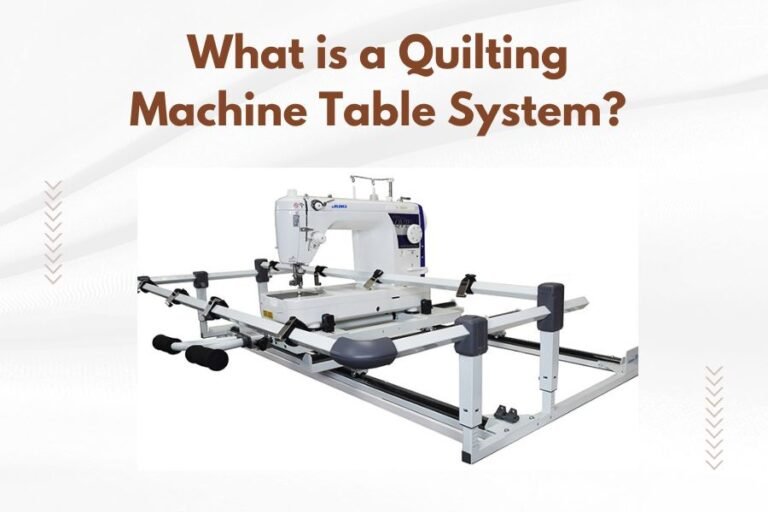
Long-Arm Quilting Systems
Long-arm machines often come with handlebar controls built right into the quilting frame. Speed adjustment happens through thumb controls or grip sensors.
Many professional quilters prefer this setup because both hands stay on the machine handles for better control.
Basic Mechanical Machines
Older mechanical machines offer fewer pedal alternatives. You’ll mainly rely on hand wheel operation for precise control.
While limited, hand wheel control actually gives you the most precise stitch placement possible. Each turn equals exactly one stitch.
Step-by-Step Guide to Pedal-Free Quilting
Ready to try quilting without that foot pedal? Here’s exactly how to set up and start stitching.
Initial Machine Setup
Turn on your quilting machine and locate the speed control options. Look for buttons labeled “Start/Stop” or speed slider controls.
Set your speed to the slowest setting while you’re learning. You can always increase speed once you feel comfortable with the new control method.
Threading and Tension Checks
Thread your machine normally, but pay extra attention to tension settings. Pedal-free quilting sometimes requires slight tension adjustments.
Test your stitches on scrap fabric first. Look for even stitch formation and proper thread tension before starting your main project.
Fabric Positioning Techniques
With no foot pedal, both hands are free for fabric control. Use your dominant hand to guide fabric direction and your other hand to maintain consistent speed.
Keep fabric movement smooth and steady. Jerky movements show up more obviously when you control speed manually.
Managing Different Quilting Techniques
Each quilting technique requires slightly different approaches when you’re not using a foot pedal.
Straight Line Quilting
Set a consistent medium speed and focus on keeping your lines straight. The steady speed actually helps maintain even stitch length.
Use your machine’s seam guides or quilting rulers to keep lines parallel. Your hands can focus entirely on accuracy.
Free Motion Quilting
Start with slow speeds for free motion work. You need time to coordinate hand movements with the machine’s stitching rhythm.
Many quilters find free motion easier without pedals because there’s one less variable to control. Your hands and the speed control work together smoothly.
Detailed Pattern Work
Complex patterns benefit from hand wheel control or very slow automatic speeds. You can pause between stitches to plan your next moves.
This method reduces mistakes since you’re never rushing to keep up with an unsteady foot pedal.
Troubleshooting Common Issues
Every quilter encounters challenges when switching to pedal-free operation. Here are solutions to the most common problems.
Inconsistent Stitch Length
Uneven stitches usually come from varying fabric movement speed rather than machine issues. Practice maintaining steady hand movements.
Try using a walking foot or even-feed foot to help maintain consistent fabric movement through the machine.
Thread Tension Problems
Some machines need tension adjustments when switching from pedal to manual speed control. Start with slightly looser tension than normal.
Test on scraps until you find the sweet spot for your specific fabric and thread combination.
Upper Thread Issues
Loosen upper tension by one number if you see puckering or tight stitches. Manual speed control sometimes pulls thread differently.
Bobbin Thread Problems
Check that your bobbin case isn’t too tight. Hand-controlled stitching can reveal bobbin tension issues that pedal stitching masks.
Safety Considerations for Pedal-Free Quilting
Operating without a foot pedal changes how you interact with your machine. Keep these safety points in mind.
Emergency Stopping
Know exactly where your stop button is located before you start stitching. Practice hitting it quickly if needed.
Some machines have emergency stop features that activate when you lift the presser foot lever quickly.
Proper Hand Positioning
Keep your fingers away from the needle area when using hand controls. It’s easy to get distracted by speed adjustments.
Always stop the machine completely before adjusting fabric near the needle or making threading changes.
Maintenance Tips for Alternative Control Systems
Different control methods can affect your machine’s maintenance needs slightly.
Cleaning Electronic Controls
Wipe speed control buttons and sliders regularly with a dry cloth. Fabric dust can interfere with sensitive electronic controls.
Avoid getting moisture near electronic speed controls during routine cleaning sessions.
Knee-Lift Mechanism Care
Oil knee-lift pivot points according to your manual’s schedule. These mechanisms see more use when replacing pedal functions.
Check for smooth operation monthly. Stiff knee-lift controls can cause fatigue and reduce control accuracy.
Conclusion
Quilting without pedals opens up new possibilities for comfort, precision, and creative control. Whether you choose hand wheel operation, electronic speed controls, or knee-lift systems, you’ll likely find the experience more relaxing than traditional pedal quilting.
Start slowly with your preferred method and practice on scraps before jumping into important projects. Your muscle memory will adapt quickly, and you might discover that pedal-free quilting actually improves your stitch quality and reduces fatigue. Give it a try on your next quilting session and see which control method feels most natural for your style.
Can all quilting machines operate without foot pedals?
Most modern quilting machines offer some pedal-free options like start/stop buttons or hand wheel control, but older mechanical machines have more limited alternatives. Check your manual for specific pedal-free features available on your model.
Is quilting without pedals slower than using foot controls?
Speed depends on your chosen method and experience level. Electronic speed controls can actually maintain more consistent speeds than foot pedals, while hand wheel operation is naturally slower but offers superior precision for detailed work.
Will my stitch quality change when I stop using the foot pedal?
Many quilters report improved stitch consistency without pedals because speed remains more constant. You may need minor tension adjustments initially, but overall stitch quality often improves with practice.
What’s the best pedal-free method for beginners?
Start/stop buttons combined with speed slider controls work best for beginners. This combination is intuitive to learn and gives you full control over both starting/stopping and stitching speed without complex coordination.
Do I need special attachments to quilt without pedals?
Most pedal-free quilting uses built-in machine features, so no special attachments are required. However, a walking foot or quilting extension table can help maintain smooth fabric movement when your feet aren’t managing speed control.