Top 7 Best Free Motion Quilting Foot For Small Business
The best free motion quilting feet for small businesses are those that offer versatility, durability, and ease of use across various quilting projects, such as the Trofinae 3Pcs Quilting Foot…


The best free motion quilting feet for small businesses are those that offer versatility, durability, and ease of use across various quilting projects, such as the Trofinae 3Pcs Quilting Foot…

The best free motion quilting feet for home use are the Trofinae 3Pcs Quilting Presser Foot for its comprehensive versatility, the AMZTKDIY Open Toe Quilting Foot for superior precision, and…

No, you absolutely do not need a special machine for quilting. While specialized quilting machines exist, you can create beautiful quilts using a standard sewing machine with a few key…

When looking for a quilting machine, you should prioritize models with a large throat space, adjustable speed control, and a strong motor. These features make your quilting projects much easier…

Yes, you absolutely need a walking foot for quilting if you want smooth, professional results, especially with layers. It’s not just a nice-to-have accessory; it’s essential for managing fabric as…

The best quilting machines for beginners and hobbyists seeking value and performance include the Brother CS7000X Computerized Machine for its enhanced stability, the Brother XR9550 Bundle for a complete starter…
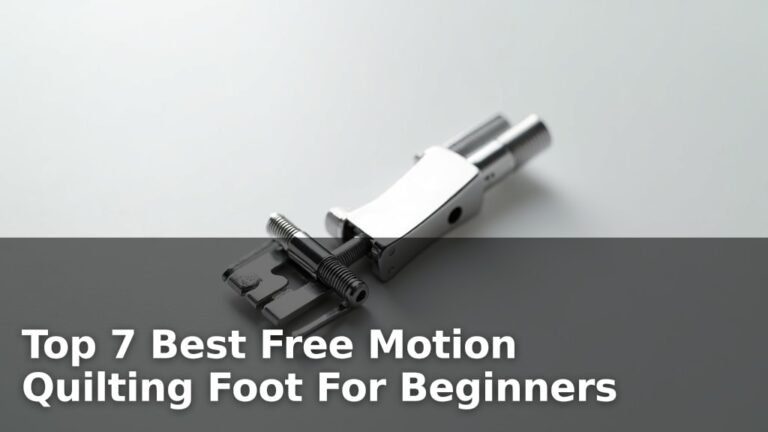
The best free motion quilting feet for beginners are the Trofinae Quilting Presser Foot Set for its comprehensive options, the AMZTKDIY Open Toe Quilting Foot for its durability, and the…
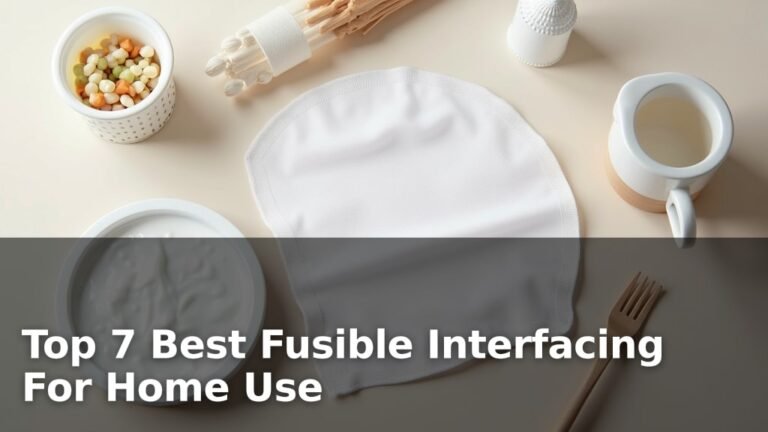
The best fusible interfacing for home use includes HeatnBond Ultra Lightweight Fusible for delicate fabrics, Pellon Lightweight Fusible Interfacing for gentle structure, and PLANTIONAL Medium Weight Non-Woven for versatile everyday…
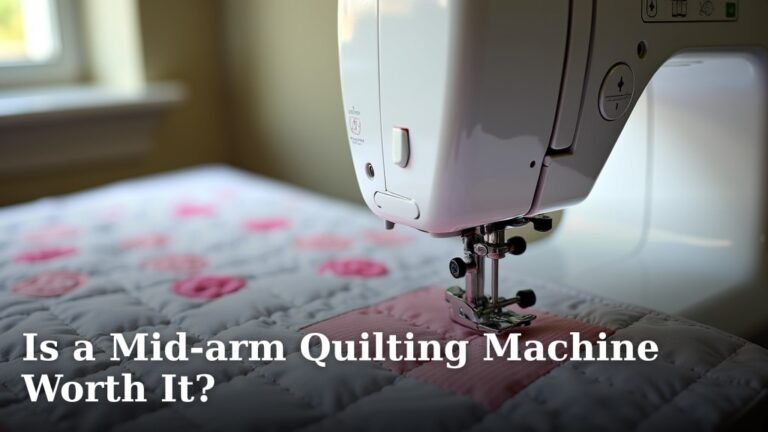
Yes, a mid-arm quilting machine can be worth it if you regularly quilt larger projects and seek more control than a domestic machine offers, providing a good balance between cost…
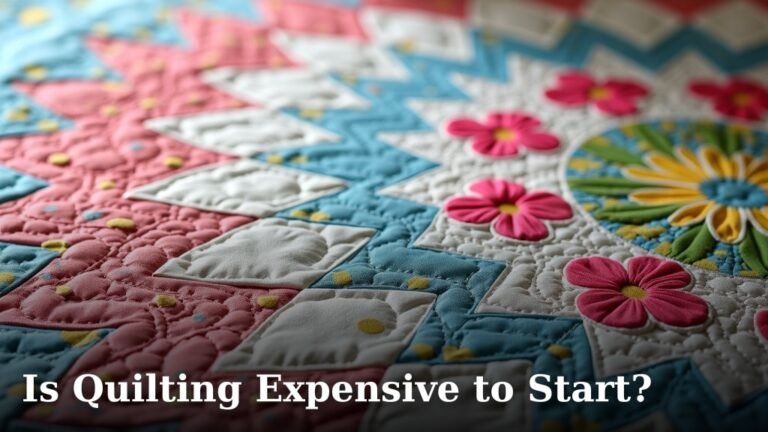
Yes, quilting can be expensive to start, especially if you buy all new equipment and materials. However, many quilters find ways to manage costs and enjoy this rewarding hobby without…