How to Quilt Perfect Spirals on Your Machine
Perfect machine-quilted spirals require consistent tension, steady speed, and a walking foot or darning foot depending on your chosen technique. The key to quilting flawless spirals is starting from the…

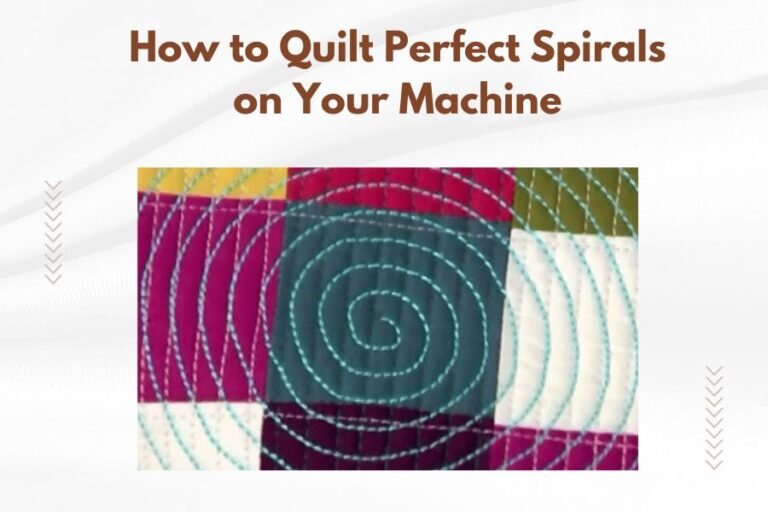
Perfect machine-quilted spirals require consistent tension, steady speed, and a walking foot or darning foot depending on your chosen technique. The key to quilting flawless spirals is starting from the…

Heavy quilting thread requires tighter bobbin tension than standard thread to prevent loose loops and uneven stitches on your quilt backing. Adjust your bobbin tension by turning the screw clockwise…

Using your quilting machine for basting creates even, temporary stitches that hold quilt layers together before final quilting. Machine basting saves hours compared to hand basting and gives you better…

To quilt a fabric panel, first secure the panel between batting and backing fabric using basting or spray adhesive, then stitch along the design lines using a walking foot on…
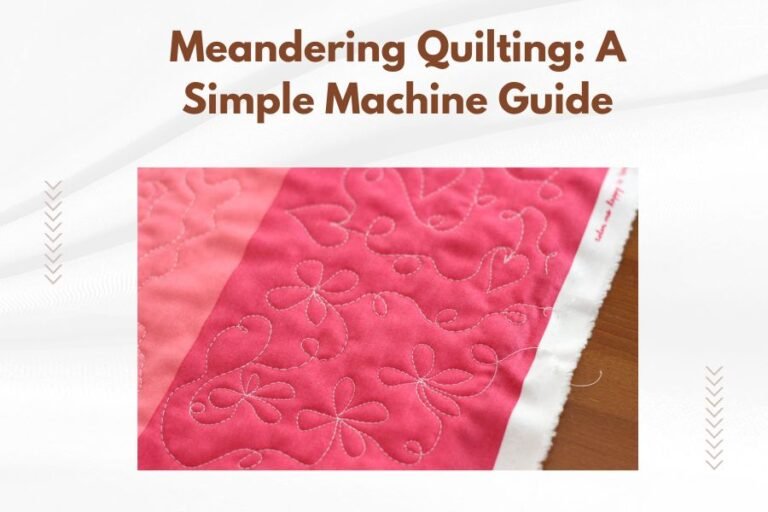
Meandering quilting is a free-motion machine technique where you stitch random, curved lines across your quilt without following any pattern. Think of it as doodling with thread – you move…
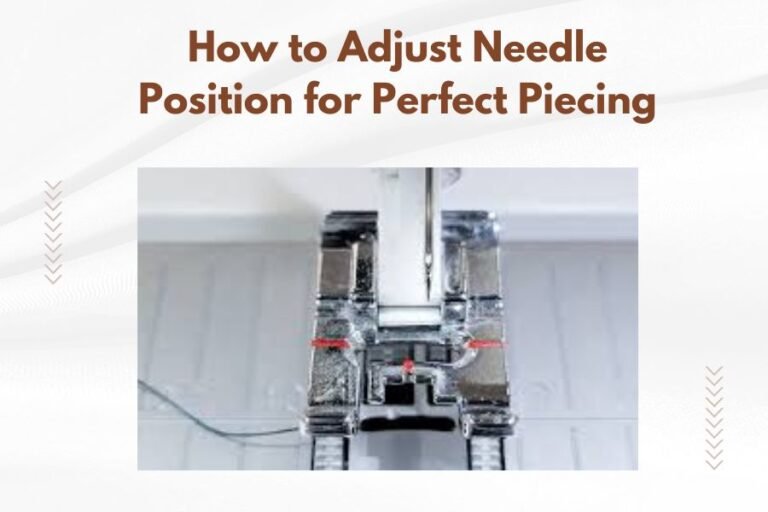
To adjust needle position for perfect piecing, move your needle to the right when sewing curved seams and to the left for straight seams with better visibility. Most quilting machines…
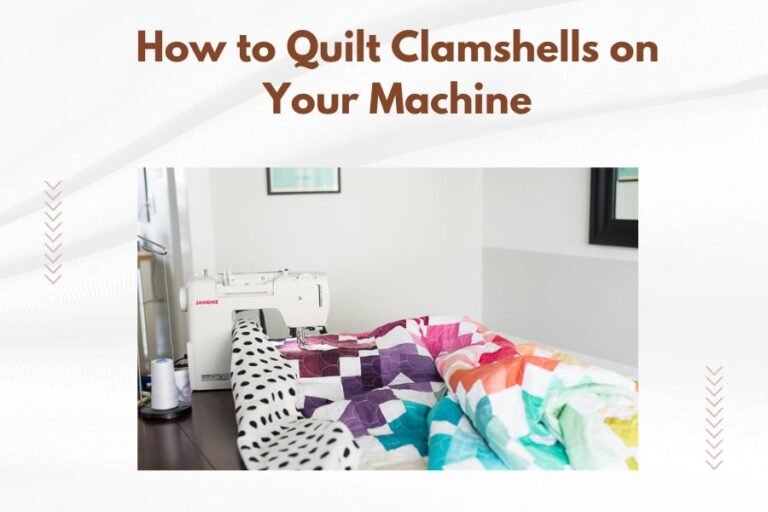
You can quilt clamshells on your machine by using the right presser foot, adjusting your stitch length to 2.5-3.0mm, and following a consistent curved stitching pattern that mimics the shell’s…
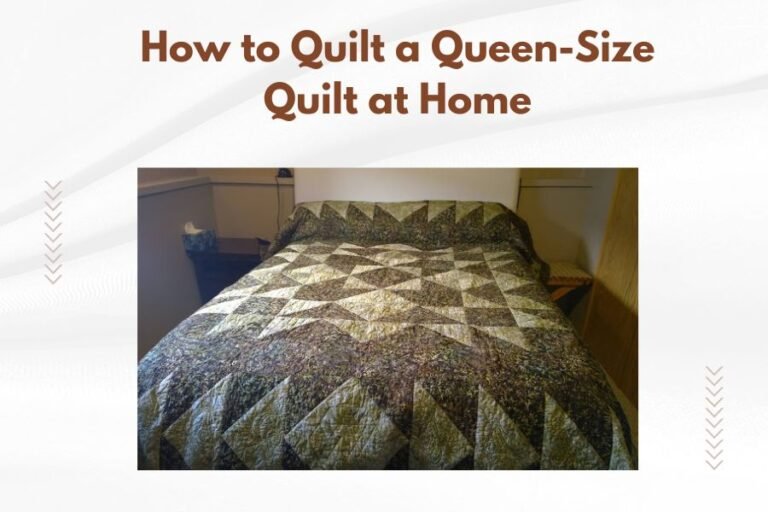
You can quilt a queen-size quilt at home using a domestic sewing machine by rolling and maneuvering the quilt sections through your machine’s throat space. The key to quilting a…
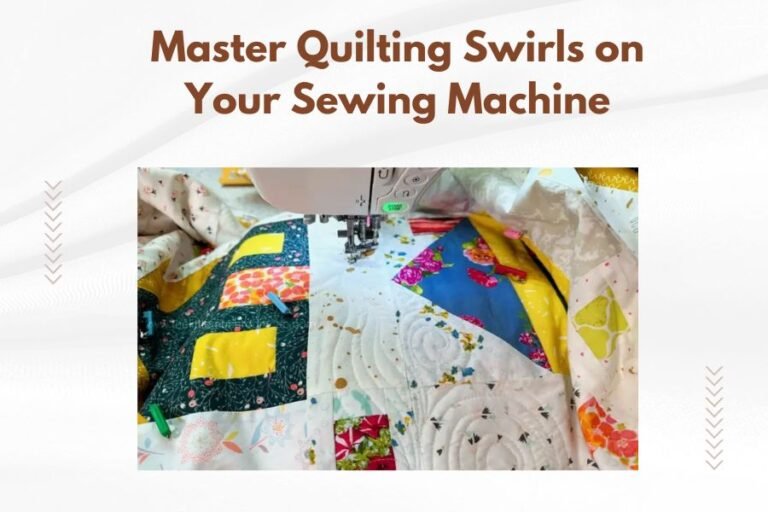
Master quilting swirls on your sewing machine by adjusting your machine’s speed, using a darning foot, and moving your fabric in smooth circular motions while keeping consistent hand movements. Start…
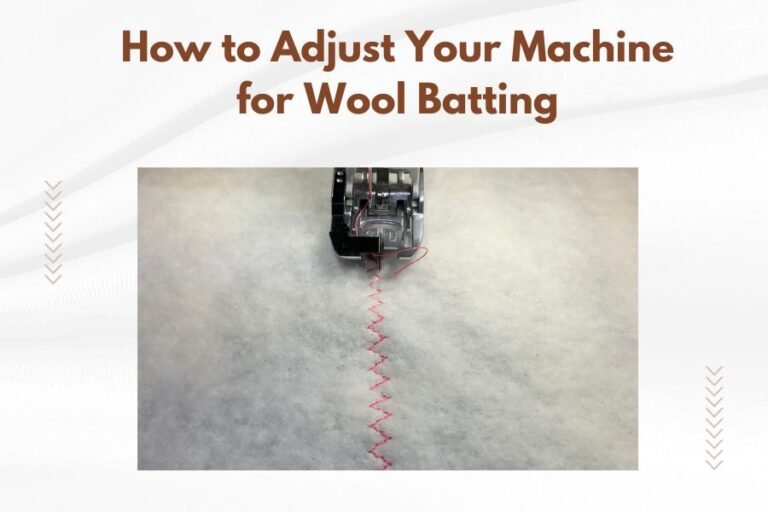
Adjusting your machine for wool batting requires lowering tension, using a longer stitch length, and reducing presser foot pressure to prevent stretching and distortion. The key differences for wool batting…