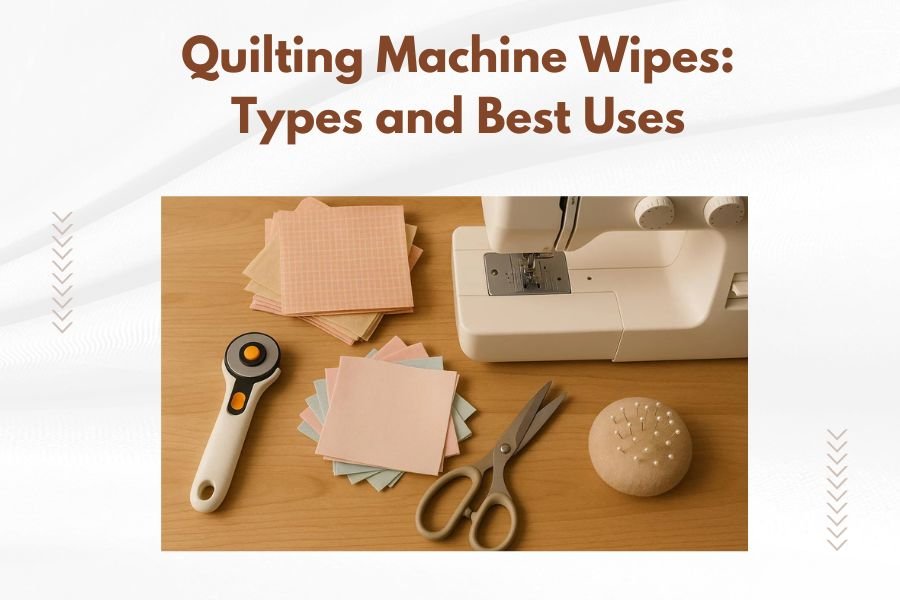
Quilting machine wipes come in three main types: dry microfiber wipes for dust removal, lightly dampened wipes for general cleaning, and specialized lint-free wipes for delicate surfaces.
The best quilting machine wipe for your needs depends on what you’re cleaning – use dry wipes for routine dusting, damp wipes for sticky residue, and lint-free wipes for your machine’s screen and sensors.
Why Your Quilting Machine Needs Regular Cleaning
Your quilting machine works hard. Thread fibers, fabric dust, and oil residue build up fast during normal use.
Without regular cleaning, this buildup causes skipped stitches, thread tension problems, and mechanical issues. I found that most quilting machine manufacturers recommend cleaning after every 8-10 hours of use.
The right wipes make this job quick and safe for your machine.
Types of Quilting Machine Wipes
Dry Microfiber Wipes
Dry microfiber wipes are your go-to choice for daily maintenance. They grab lint, dust, and loose threads without leaving residue.
These wipes work best on your machine’s exterior, around the needle area, and inside the bobbin case. They’re safe for all surfaces and won’t damage delicate parts.
Best Uses for Dry Microfiber Wipes
- Removing lint from the feed dogs
- Cleaning thread guides and tension discs
- Wiping down the machine body
- Dusting the work surface
Lightly Dampened Cleaning Wipes
When dry wipes aren’t enough, lightly dampened wipes handle sticky situations. These contain just enough moisture to dissolve adhesive residue and stubborn grime.
Many experts recommend using wipes dampened with isopropyl alcohol for quilting machines. The alcohol evaporates quickly and won’t leave water spots.
Best Uses for Dampened Wipes
- Removing adhesive spray buildup
- Cleaning oil or grease spots
- Wiping sticky thread residue
- Deep cleaning the needle plate
Lint-Free Specialty Wipes
Your quilting machine’s touchscreen and electronic components need special care. Lint-free wipes prevent scratches and don’t leave fibers behind.
These wipes often come pre-moistened with cleaning solutions safe for electronics. Research shows that using the wrong cleaner on touchscreens can damage the protective coating.
Best Uses for Lint-Free Wipes
- Cleaning touchscreen displays
- Wiping camera lenses on newer machines
- Cleaning sensors and electronic components
- Polishing metal surfaces without scratching
How to Choose the Right Wipe Material
Microfiber vs Cotton
Microfiber beats cotton for quilting machine cleaning. The tiny synthetic fibers trap dust better and don’t leave lint behind.
Cotton wipes can shed fibers that get into your machine’s moving parts. That’s the last thing you want when trying to clean.
Disposable vs Reusable Options
Both have their place in your cleaning routine. Disposable wipes are convenient for quick cleanups and heavily soiled areas.
Reusable microfiber cloths save money over time and work great for regular maintenance. You can wash them hundreds of times without losing effectiveness.
Safe Cleaning Solutions for Quilting Machines
What Solutions Work Best
Isopropyl alcohol (70% concentration) is the gold standard for quilting machine cleaning. It cuts through oils and adhesives while evaporating quickly.
Some machine manufacturers sell branded cleaning solutions. These are usually alcohol-based but cost more than generic options.
Solutions to Avoid
Never use ammonia-based cleaners, bleach, or acetone on your quilting machine. These chemicals can damage plastic parts, rubber seals, and electronic components.
Water alone isn’t effective for most cleaning tasks and can cause rust on metal parts if not dried completely.
Step-by-Step Cleaning Process
Daily Maintenance Routine
Start by turning off your machine and unplugging it. Remove the needle and bobbin to access all areas safely.
Use a dry microfiber wipe to remove lint from the feed dogs, bobbin area, and thread path. This takes about 2 minutes but prevents most problems.
Weekly Deep Cleaning
Remove the needle plate and clean underneath with a small brush. Wipe all accessible metal parts with a lightly dampened cloth.
Clean your machine’s exterior with appropriate wipes. Don’t forget the thread guides and tension discs – they collect surprising amounts of thread residue.
Monthly Thorough Cleaning
This is when you tackle the touchscreen, internal components, and hard-to-reach areas. Use lint-free wipes for electronics and take your time.
Check your owner’s manual for any areas that need special attention or professional service.
Common Cleaning Mistakes to Avoid
Using Too Much Moisture
More isn’t better when it comes to cleaning solution. Excess moisture can seep into electronic components and cause expensive damage.
Your wipe should be barely damp, not dripping wet. If you can squeeze liquid out of it, it’s too wet.
Forgetting to Unplug First
Always turn off and unplug your machine before cleaning. This protects both you and the machine from electrical issues.
Some machines have capacitors that hold charge even when unplugged. Wait a few minutes after unplugging before starting your cleaning routine.
Storage and Care of Cleaning Wipes
Keeping Wipes Effective
Store pre-moistened wipes in their original container with the lid tightly closed. Exposure to air dries them out quickly.
Keep dry microfiber wipes in a clean, dust-free container. Dirty storage defeats the purpose of having clean wipes ready.
When to Replace Wipes
Disposable wipes are obviously one-use items. But reusable microfiber cloths need replacement too.
Replace microfiber cloths when they start leaving lint, lose their softness, or develop rough spots that could scratch surfaces.
Budget-Friendly Cleaning Solutions
DIY Wipe Options
You can make effective cleaning wipes at home. Cut clean cotton t-shirts into squares for basic dusting, or buy microfiber cloths in bulk.
For dampened wipes, lightly mist microfiber cloths with 70% isopropyl alcohol. This costs much less than pre-made wipes.
When to Invest in Premium Wipes
If you quilt professionally or use your machine daily, quality wipes pay for themselves. They clean better and last longer than cheap alternatives.
For occasional quilters, basic microfiber cloths and drugstore alcohol work fine.
Troubleshooting Cleaning Issues
Stubborn Residue Problems
Sometimes adhesive spray or thread wax creates stubborn buildup. Let a damp wipe sit on the area for 30 seconds before wiping.
For really tough spots, use a plastic scraper (never metal) to gently remove buildup before wiping clean.
Streaking on Touchscreens
Streaks usually mean you’re using too much cleaning solution or the wrong type of wipe. Switch to lint-free wipes with minimal moisture.
Clean in straight lines rather than circles to prevent streaking.
Conclusion
The right quilting machine wipes make maintenance simple and protect your investment. Dry microfiber wipes handle daily dusting, lightly dampened wipes tackle sticky residue, and lint-free wipes keep electronics spotless.
Remember to match your wipe choice to the cleaning task. Your quilting machine will reward proper care with years of smooth, trouble-free operation.
What’s the difference between quilting machine wipes and regular cleaning cloths?
Quilting machine wipes are designed specifically for textile equipment. They’re lint-free, won’t scratch delicate surfaces, and use cleaning solutions that won’t damage electronic components or rubber seals in sewing machines.
How often should I clean my quilting machine with wipes?
Use dry wipes after each quilting session to remove lint and dust. Do a thorough cleaning with dampened wipes weekly, and clean the touchscreen and electronic components monthly or whenever they look dirty.
Can I use baby wipes to clean my quilting machine?
No, baby wipes contain oils, fragrances, and moisturizers that can damage your machine. They also leave residue that attracts more dirt. Stick to wipes made specifically for electronics or textile equipment.
Are expensive branded quilting machine wipes worth the extra cost?
Branded wipes from your machine manufacturer are safe but often overpriced. Generic microfiber cloths with 70% isopropyl alcohol work just as well for most cleaning tasks and cost much less.
What should I do if I accidentally get cleaning solution inside my machine?
Turn off the machine immediately and let it dry completely before using it again. If you used water-based cleaner, wait at least 24 hours. For alcohol-based cleaners, 2-3 hours is usually enough since alcohol evaporates quickly.