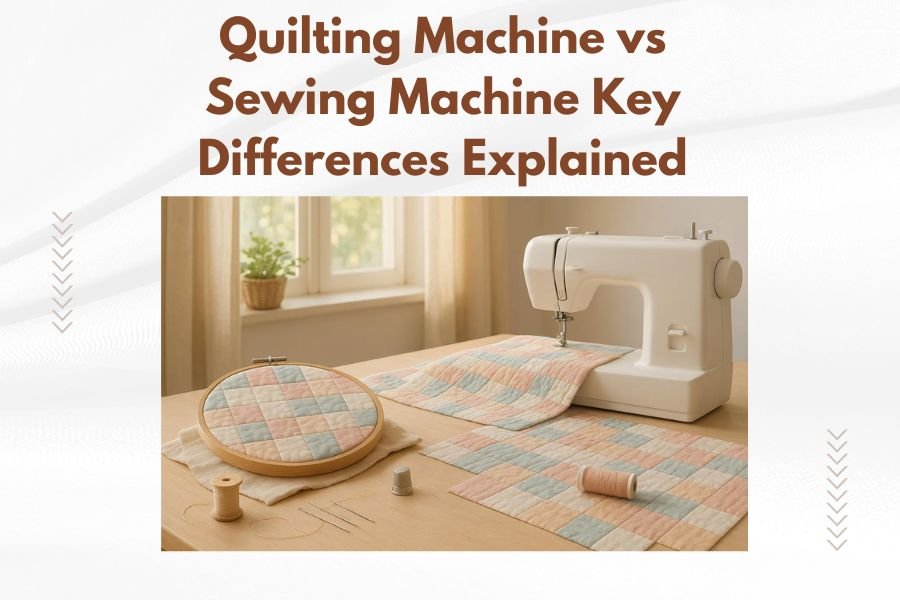
Many beginners and even experienced crafters often wonder whether they need a quilting machine or if a regular sewing machine is enough. While both machines are used for stitching fabric, they are designed for different purposes and workloads.
This guide explains the key differences between quilting machines and sewing machines so you can decide which option is best for your projects.
What Is a Sewing Machine
A sewing machine is a general purpose machine designed for everyday sewing tasks. It is commonly used for garment construction, repairs, home decor, and light quilting projects.
Sewing machines are versatile and suitable for straight stitching, zigzag stitching, buttonholes, and decorative stitches. Most households start with a sewing machine due to its affordability and multi use functionality.
What Is a Quilting Machine
A quilting machine is specifically designed to handle thick layers of fabric, batting, and backing used in quilting. It offers stronger motor power, larger throat space, and features that improve control during quilting.
Quilting machines are ideal for free motion quilting, straight line quilting, and large quilt projects that require consistent stitch quality.
Throat Space Comparison
One of the biggest differences between quilting machines and sewing machines is throat space.
Sewing machines usually have limited throat space, which can make managing large quilts difficult. Quilting machines provide expanded throat space, allowing you to quilt larger sections without constantly repositioning the fabric.
Stitch Regulation and Control
Most standard sewing machines do not include stitch regulation for free motion quilting. Quilting machines often feature stitch regulation that keeps stitch length consistent regardless of movement speed.
This improves the overall appearance and professionalism of quilting projects.
Power and Performance
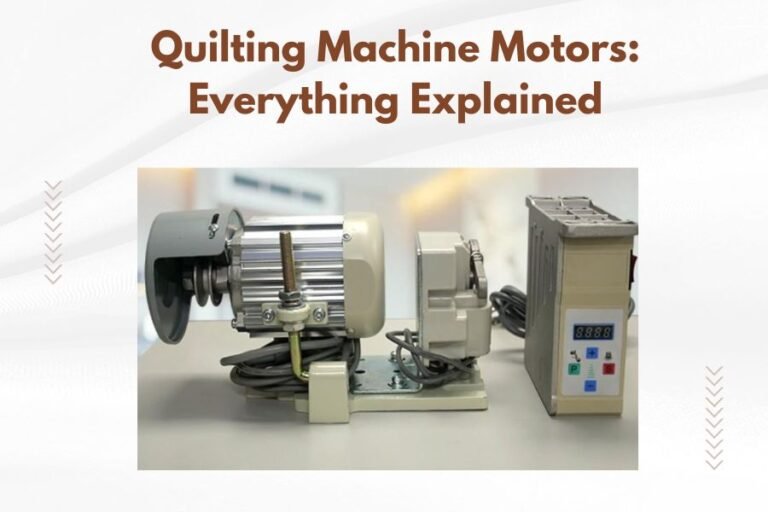
Quilting machines are built with stronger motors to handle thick quilt layers smoothly. Sewing machines may struggle with dense batting or multiple fabric layers, especially during extended use.
Higher speed and smoother operation make quilting machines more efficient for large projects.
Space and Setup Requirements
Sewing machines are compact and fit easily on standard tables. Quilting machines, especially mid arm and long arm models, require more space and sometimes dedicated frames.
Before choosing a quilting machine, it is important to consider available workspace.
Cost Differences
Sewing machines are generally more affordable and suitable for beginners. Quilting machines are more expensive due to their specialized design and advanced features.
While the upfront cost is higher, quilting machines offer long term value for dedicated quilters.
Which One Should You Choose
If you primarily sew clothing, crafts, or small projects, a sewing machine is usually sufficient. If quilting is your main focus or you work on large quilts regularly, a quilting machine provides better performance, comfort, and results.
Many quilters start with a sewing machine and upgrade to a quilting machine as their skills and project sizes grow.
Final Thoughts
Both sewing machines and quilting machines have their place in textile crafting. Understanding the differences helps you invest in the right tool for your needs.
At Sewvanta, we create detailed guides and comparisons to help you choose the best machine for your sewing and quilting journey.