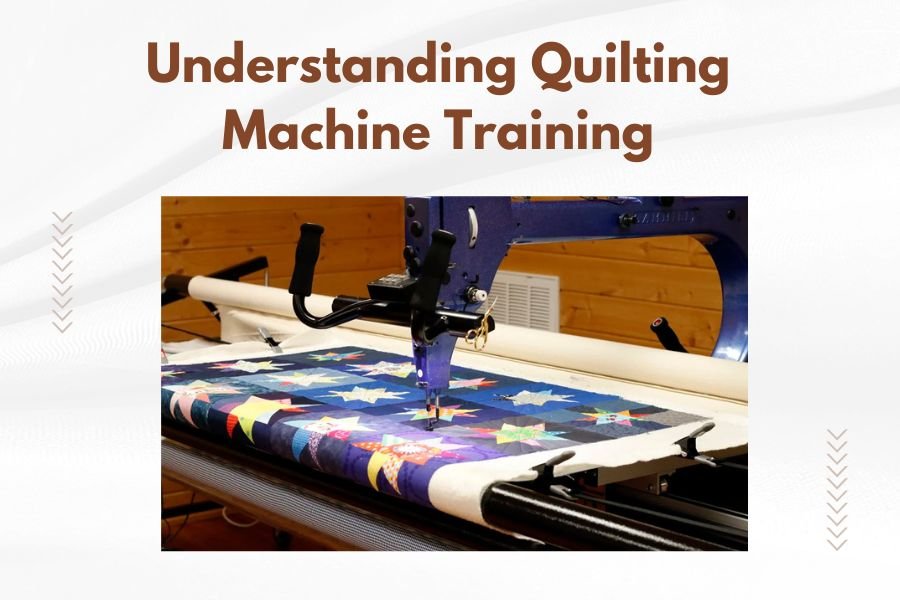
Quilting machine training teaches you how to safely operate computerized longarm quilters, sergers, and specialized quilting equipment through hands-on practice and professional instruction.
Most quilting machine training programs last 1-3 days and cover basic operation, safety protocols, maintenance, and advanced stitching techniques for both beginners and experienced quilters.
What Is Quilting Machine Training?
Think of quilting machine training like learning to drive a car. You wouldn’t jump behind the wheel without instruction, right? The same goes for these powerful machines.
Quilting machine training gives you structured learning on how to use longarm quilters, mid-arm machines, and computerized quilting systems. You learn the basics first, then move to advanced techniques.
I found that most training covers three main areas: machine operation, safety procedures, and creative techniques. Many programs also include troubleshooting and basic maintenance.
Types of Quilting Machines You’ll Train On
Longarm Quilting Machines
These are the workhorses of professional quilting. They have 18-30 inch throat space and can handle king-size quilts easily.
Longarm machines require the most training because they’re big and powerful. You’ll learn how to load fabric, control tension, and move the machine head smoothly.
Mid-Arm Quilting Machines
Mid-arm machines offer 12-17 inches of throat space. They’re perfect for home quilters who want more room than a regular sewing machine provides.
Training on mid-arms focuses on space management and working with medium-sized projects. You’ll practice different quilting patterns and edge-to-edge designs.
Computerized Quilting Systems
These high-tech machines can follow digital patterns automatically. Training includes software basics, pattern selection, and quality control.
From what I read, computerized systems need the most technical training. You learn both the mechanical and digital sides of quilting.
Essential Skills Covered in Training
Machine Setup and Threading
Your first lesson covers how to set up the machine properly. This includes adjusting the frame height, positioning the fabric rollers, and threading both top and bobbin threads.
Threading a longarm quilter is different from a regular sewing machine. You’ll practice until it becomes second nature.
Tension Control
Getting the right tension is like tuning a guitar – it takes practice to get it just right. Too tight and your fabric puckers. Too loose and your stitches look messy.
Most instructors teach you to test tension on sample fabric before starting your actual quilt. Smart move, right?
Basic Quilting Motions
You’ll start with simple straight lines and gentle curves. Think of it like learning to write cursive – smooth, flowing movements work best.
Many experts recommend practicing basic motions for hours before attempting complex patterns. Your muscle memory needs time to develop.
Free-Motion Quilting
This is where creativity meets technique. You’ll learn to move the machine head in smooth, controlled motions while maintaining consistent stitch length.
Free-motion quilting feels awkward at first. Don’t worry – everyone struggles with it initially.
Edge-to-Edge Patterns
These repetitive patterns cover the entire quilt surface. You’ll practice keeping consistent spacing and smooth transitions between rows.
Edge-to-edge quilting is great for beginners because it’s forgiving and builds confidence quickly.
Safety Training Components
Machine Safety Basics
Quilting machines are powerful tools that demand respect. Training covers proper body positioning, hand placement, and emergency stops.
I found online that most quilting injuries happen from rushing or poor positioning. Taking time to learn safety prevents problems later.
Workspace Organization
A cluttered workspace leads to accidents. You’ll learn how to arrange your tools, keep walkways clear, and position lighting properly.
Good instructors teach you to think ahead about fabric management. Where will that king-size quilt go when it’s finished?
Training Formats Available
In-Person Classes
Nothing beats hands-on instruction with immediate feedback. You get to ask questions in real-time and watch demonstrations up close.
Most quilting machine dealers offer in-person training when you buy a machine. Take advantage of this – it’s often included in the purchase price.
Online Training Programs
Online training works well for basic concepts and theory. You can pause, rewind, and review difficult sections as needed.
But here’s the thing – you still need hands-on practice. Online training works best when combined with in-person sessions.
Private Instruction
One-on-one training moves at your pace and focuses on your specific needs. It costs more but can save time in the long run.
Many experienced quilters offer private lessons. Research their background and ask to see student work samples.
Choosing the Right Training Program
Consider Your Experience Level
Are you completely new to quilting machines or just switching brands? Be honest about your skill level when choosing training.
Beginner programs move slower and cover more basics. Advanced training assumes you know machine operation and focuses on technique refinement.
Match Training to Your Machine
Different machine brands have unique features and controls. Try to find training specific to your equipment when possible.
Generic training covers universal concepts well, but brand-specific instruction helps with the details that matter.
Location and Scheduling
Can you travel to the training location? Do the dates work with your schedule? Consider these practical matters early.
Some programs offer make-up sessions if you miss a day. Others are all-or-nothing. Ask about policies upfront.
| Training Type | Duration | Cost Range | Best For |
|---|---|---|---|
| Dealer Training | 1-2 days | Free-$200 | New machine owners |
| Professional Workshop | 2-5 days | $300-$800 | Serious hobbyists |
| Online Course | Self-paced | $50-$300 | Theory and basics |
| Private Instruction | 1-3 days | $400-$1200 | Personalized learning |
What to Expect During Training
Day One Activities
Most programs start with machine familiarization. You’ll locate all the controls, practice basic threading, and run test stitches on sample fabric.
Expect to feel overwhelmed at first. There are many new terms, buttons, and procedures to remember. Take notes and don’t be afraid to ask questions.
Progressive Skill Building
Good training programs build skills gradually. You master straight-line quilting before attempting curves. Curves come before complex free-motion designs.
This progression makes sense because each skill builds on the previous one. Rushing ahead often leads to frustration and bad habits.
Practice Time
The best learning happens during supervised practice time. You work on actual quilting projects while instructors provide guidance and feedback.
Bring practice fabric and batting if the program doesn’t provide materials. Having your own supplies lets you take projects home to finish.
Common Training Challenges
Information Overload
Quilting machines have dozens of features and settings. It’s normal to feel confused by all the options and controls.
Focus on mastering basic operation first. You can explore advanced features later once you’re comfortable with the fundamentals.
Physical Demands
Operating quilting machines requires stamina and coordination. Your arms, shoulders, and back work harder than you might expect.
Take breaks when needed and practice good posture. Many instructors teach stretching exercises to prevent strain and fatigue.
Speed vs. Quality Balance
Beginning students often try to quilt too fast, leading to uneven stitches and poor results. Slow, consistent motion produces better work.
Remember, you’re building muscle memory and confidence. Speed develops naturally as your skills improve.
Post-Training Success Tips
Practice Regularly
Skills fade without regular practice. Try to spend at least a few hours per week on your machine after training ends.
Set up practice sessions with simple projects. Completing small quilts builds confidence faster than attempting complex designs immediately.
Join Quilting Communities
Local quilting groups and online forums provide ongoing support and inspiration. You can share challenges and learn new techniques from experienced quilters.
Many communities organize quilting bees where members help each other with projects. This collaborative approach accelerates learning.
Continue Learning
Basic training covers fundamentals, but there’s always more to learn. Consider advanced workshops, new technique classes, and specialty training programs.
The quilting world constantly evolves with new tools, materials, and methods. Staying current keeps your skills sharp and projects interesting.
Conclusion
Quilting machine training provides the foundation you need to use these powerful tools safely and effectively. Whether you choose in-person classes, online programs, or private instruction, the key is matching the training to your experience level and specific machine type.
Remember that learning quilting machines is a gradual process. Start with basic skills, practice regularly, and don’t rush into complex techniques. With proper training and consistent practice, you’ll develop the confidence and ability to create beautiful quilted projects for years to come.
How long does quilting machine training typically take?
Most basic quilting machine training programs last 1-3 days, with 6-8 hours of instruction per day. Advanced or specialized training may extend to a full week, while some intensive workshops offer weekend formats for busy schedules.
Do I need my own quilting machine for training?
No, most training facilities provide machines for students to use during class. This actually helps because you can try different models and brands. Bring your own fabric and batting if you want to take practice projects home.
What should I bring to quilting machine training?
Bring a notebook and pen for taking notes, comfortable closed-toe shoes, and reading glasses if needed. Some programs suggest bringing practice fabric, but check with your instructor first about what materials they provide.
Can I learn quilting machine operation without formal training?
While some people teach themselves through manuals and videos, formal training is much safer and more efficient. These machines are expensive and powerful – proper instruction prevents costly mistakes and potential injuries.
Is quilting machine training different for computerized models?
Yes, computerized quilting machines require additional training on software operation, pattern loading, and digital design management. These programs often include both technical and creative instruction components.