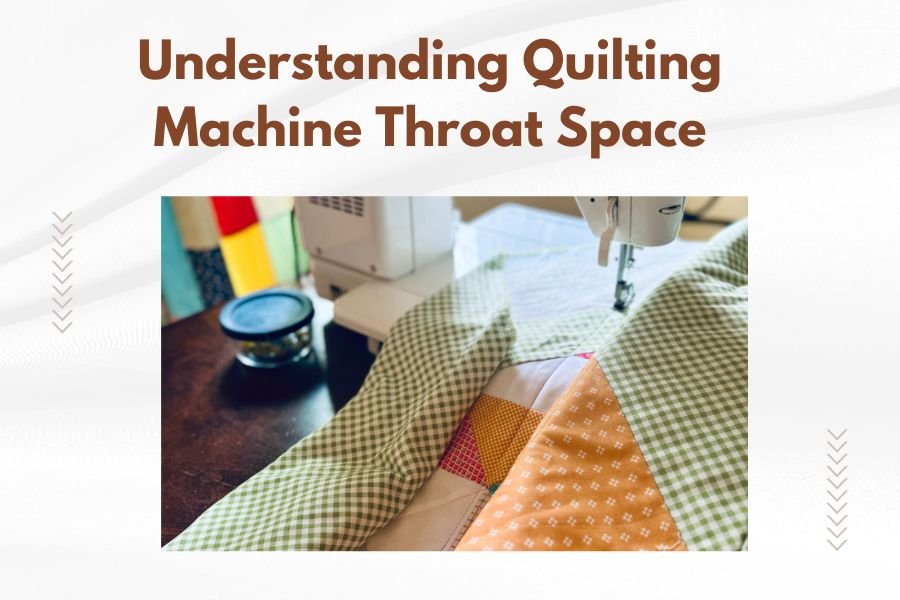
Quilting machine throat space is the distance between the needle and the machine’s body, measuring how much fabric you can maneuver while quilting.
Most quilting machines offer throat space ranging from 8 inches on basic models to 26 inches or more on professional longarm machines.
You know that feeling when you’re trying to quilt a large project and keep bumping into your machine? That’s throat space talking. It’s one of the most important features to understand before buying any quilting machine.
Think of throat space like the workspace on your desk. The bigger it is, the easier you can spread out and work comfortably. With quilting, more throat space means you can handle larger projects without constantly wrestling with bunched-up fabric.
What Exactly Is Quilting Machine Throat Space
Throat space measures the gap between your machine’s needle and its vertical support arm. This area determines how much quilt you can fit to the right of the needle while sewing.
Picture holding a large quilt. As you sew, all the fabric to the right of your current stitching line needs to fit in this throat space. If there’s not enough room, your quilt gets squished and becomes hard to manage.
How Throat Space Gets Measured
Manufacturers measure throat space in inches from the needle position to the machine body. They usually give you the maximum distance available.
Some machines have adjustable needle positions. In these cases, throat space can vary slightly depending on where you set the needle.
Why This Measurement Matters So Much
I found that many new quilters underestimate how much difference throat space makes. It affects everything from stitch quality to how tired your arms get during long quilting sessions.
When fabric gets cramped in a small throat space, it can’t lay flat. This leads to puckering, uneven stitches, and general frustration.
Different Types of Quilting Machines and Their Throat Space
Not all quilting machines are created equal when it comes to throat space. Let me break down what you’ll typically find in each category.
Standard Sewing Machines
Regular sewing machines usually offer 6 to 9 inches of throat space. This works fine for small quilting projects or piecing quilt tops together.
Many quilters start here because they already own a sewing machine. You can definitely learn quilting basics with this setup.
Best Projects for Standard Machines
- Baby quilts and wall hangings
- Table runners and placemats
- Piecing quilt blocks
- Small decorative projects
Mid-Arm Quilting Machines
Mid-arm machines typically provide 12 to 20 inches of throat space. These machines bridge the gap between standard sewing machines and full longarm setups.
I researched and found that mid-arm machines have become popular with serious hobbyists. They offer more workspace without the huge investment of a longarm.
What You Can Handle with Mid-Arms
- Full-size quilts up to king size
- Free-motion quilting with more comfort
- Larger decorative stitching patterns
- Custom quilting for others
Longarm Quilting Machines
Longarm machines start around 20 inches of throat space and can go up to 30 inches or more. These are the workhorses of the quilting world.
Professional quilters and serious hobbyists love longarms because they make quilting large projects feel effortless.
Longarm Advantages
- Handle any size quilt easily
- Faster quilting with less fabric manipulation
- Professional-quality results
- Less physical strain on your body
How Throat Space Affects Your Quilting Experience
The amount of throat space you have changes everything about how you quilt. Let me explain what happens with different amounts of space.
Working with Limited Throat Space
When you have 8 inches or less, you’ll need to roll and scrunch your quilt frequently. This takes time and can be physically tiring.
Your quilting designs also get limited. Large, flowing patterns become nearly impossible because you can’t see enough of the quilt surface at once.
Common Challenges
- Fabric bunching and puckering
- Difficulty maintaining consistent stitch patterns
- Arm and shoulder fatigue from wrestling fabric
- Limited design possibilities
Benefits of Generous Throat Space
With 15 inches or more, quilting becomes a completely different experience. Your fabric lays flat and moves smoothly.
I found from quilting forums that people consistently say more throat space was their best upgrade. It’s like switching from a cramped apartment to a spacious house.
What Opens Up with More Space
- Large, continuous quilting patterns
- Better stitch quality across the entire quilt
- Less time spent repositioning fabric
- More creative freedom in design choices
Choosing the Right Throat Space for Your Needs
How do you decide what’s right for you? It comes down to your quilting goals, space, and budget.
Consider Your Typical Projects
Think about what you love to make. Do you prefer small, detailed quilts or large bed-sized projects?
If you’re mostly doing baby quilts and wall hangings, 10 to 12 inches might be plenty. But if king-size quilts are your thing, you’ll want at least 18 inches.
Factor in Your Physical Comfort
Quilting should be enjoyable, not a wrestling match. If you have arthritis or shoulder problems, extra throat space reduces the physical demands significantly.
I came across research showing that repetitive fabric manipulation can lead to strain injuries. More throat space means less manipulation.
Space and Budget Reality Check
Longarm machines need dedicated space and cost significantly more. Mid-arm machines offer a good compromise for many quilters.
| Machine Type | Throat Space | Typical Cost Range | Space Needed |
|---|---|---|---|
| Standard Sewing | 6-9 inches | $200-$800 | Dining table |
| Mid-Arm | 12-20 inches | $3,000-$8,000 | Dedicated room |
| Longarm | 20-30+ inches | $10,000-$40,000 | Large dedicated space |
Making the Most of Whatever Throat Space You Have
You don’t need the biggest machine to create beautiful quilts. Smart techniques can help you maximize any amount of throat space.
Organization Techniques for Small Spaces
Roll your quilt efficiently. Use bicycle clips or quilting clips to secure rolled sections and keep them out of your way.
Support the weight of your quilt with a table or cutting mat positioned to the left of your machine. This prevents dragging and makes maneuvering easier.
Design Strategies
- Choose quilting patterns that work in sections
- Use straight-line quilting for easier handling
- Plan your quilting sequence to minimize repositioning
- Consider quilting-as-you-go techniques
When to Consider Upgrading
You’ll know it’s time for more throat space when quilting stops being fun. If you’re avoiding larger projects or feeling frustrated with fabric handling, an upgrade makes sense.
Many experts say to upgrade when your skills outgrow your equipment. If you’re dreaming of quilting designs your current machine can’t handle, it might be time.
Throat Space Myths and Misconceptions
I found several common misunderstandings about throat space that trip up new quilters.
Myth: More is Always Better
While generous throat space is nice, you don’t automatically need the biggest machine available. Match your throat space to your actual quilting habits.
A huge longarm machine is overkill if you mostly make small projects. You’ll pay more and use more space without getting much benefit.
Myth: You Can’t Do Quality Work with Limited Space
Skilled quilters create gorgeous work on standard sewing machines every day. Throat space affects convenience and speed more than final quality.
With patience and good technique, you can achieve professional results regardless of your machine’s throat space.
The Real Trade-offs
Less throat space means more time and physical effort, not necessarily lower quality. Some quilters actually prefer the control they get with smaller machines for detail work.
Future-Proofing Your Throat Space Decision
Think about where your quilting journey might lead. Your needs will likely change as your skills and interests develop.
Room to Grow
If you’re torn between two sizes, lean toward the larger throat space. You’ll never outgrow extra room, but you might outgrow tight quarters.
Consider buying the best throat space you can afford and accommodate. It’s usually cheaper than upgrading later.
Conclusion
Understanding quilting machine throat space helps you make better decisions about equipment and techniques. Whether you’re working with 8 inches or 28 inches, the key is matching your machine to your projects and quilting style.
Remember that throat space affects your comfort and efficiency more than your ability to create beautiful quilts. Great quilters have made stunning work on every type of machine. Choose the throat space that fits your space, budget, and quilting dreams, then focus on developing your skills and enjoying the creative process.
How much throat space do I need for a king-size quilt?
You can quilt a king-size quilt on any machine, but 15 inches or more of throat space makes the process much more comfortable and efficient. With less space, you’ll spend more time rolling and repositioning the heavy quilt.
Can I add throat space to my existing sewing machine?
No, throat space is built into the machine’s frame design and cannot be modified or extended. If you need more throat space, you’ll need to upgrade to a different machine with a larger throat area.
Does throat space affect stitch quality?
Throat space doesn’t directly affect stitch formation, but cramped fabric in a small throat space can cause tension issues and puckering. More space allows fabric to lay flatter, which can improve overall stitch appearance.
What’s the minimum throat space for free-motion quilting?
You can do free-motion quilting with any throat space, but 10 inches or more makes it significantly easier. This gives you enough room to see your quilting pattern and move the fabric smoothly without constant bunching.
Are there any disadvantages to having too much throat space?
The main disadvantages are cost, space requirements, and potential intimidation for beginners. Very large throat spaces also require you to reach further to access all areas, which some quilters find tiring during long sessions.