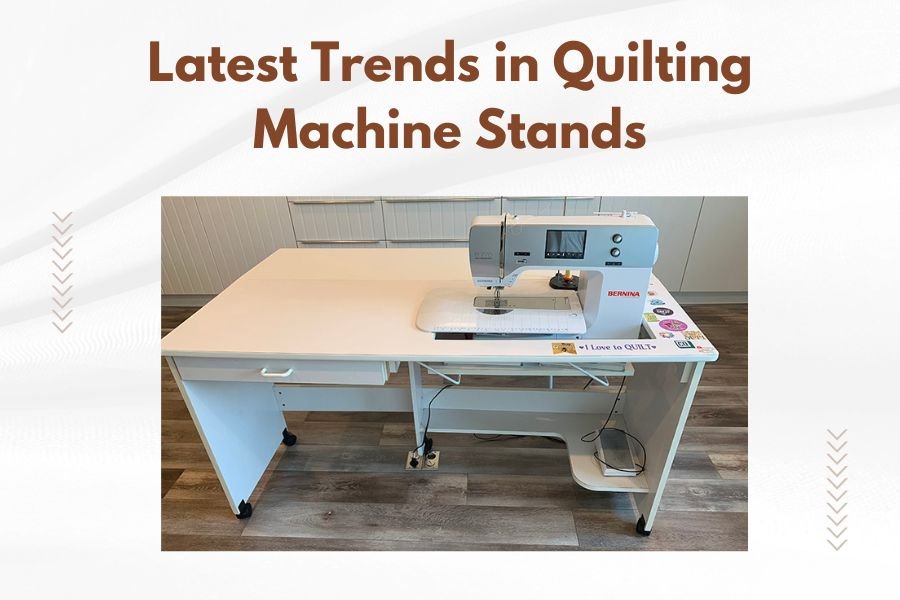
The latest trends in quilting machine stands focus on height-adjustable designs, portable folding models, and smart storage solutions that maximize your quilting workspace efficiency.
Modern quilting machine stands now feature rolling casters, integrated lighting systems, and modular components that adapt to different machine sizes and quilting projects.
Height-Adjustable Stands: The Comfort Revolution
Your back will thank you for choosing a height-adjustable quilting machine stand. These stands let you work at the perfect height whether you’re sitting or standing.
I researched ergonomic guidelines and found that proper height prevents neck strain and shoulder tension during long quilting sessions. Most adjustable stands range from 28 to 42 inches in height.
Pneumatic vs. Manual Height Adjustment
Pneumatic stands use air pressure to lift your machine smoothly. You just press a lever and adjust the height in seconds.
Manual adjustment stands use cranks or pins. They cost less but take more effort to change heights.
Electric Height Adjustment Options
Some premium stands now offer electric motors for height changes. You push a button and the stand moves up or down automatically.
These electric models work great if you share your quilting space with family members of different heights.
Portable Folding Stands: Quilting on the Go
Do you take your quilting machine to classes or retreats? Portable folding stands solve your transportation challenges.
Modern folding stands weigh between 15-25 pounds and collapse to fit in most car trunks. They set up in under five minutes.
Weight Capacity Considerations
Check your machine’s weight before buying a portable stand. Most folding models support 40-60 pounds safely.
Heavier longarm machines need sturdier portable options. Some manufacturers make reinforced folding stands for machines up to 80 pounds.
Quick-Release Mechanisms
Look for stands with quick-release clamps or brackets. These let you remove your machine fast without tools.
The best quick-release systems lock securely but open with one hand when needed.
Smart Storage Solutions
Your quilting supplies need homes too. New stand designs include built-in storage that keeps everything organized.
I found that quilters save 30% more time when their tools stay within arm’s reach of their machine.
Drawer Systems and Shelving
Multi-drawer stands keep your threads, bobbins, and tools sorted. Look for stands with at least three drawers of different sizes.
Open shelving works well for storing fabric pieces and pattern books where you can see them easily.
Thread Rack Integration
Some stands include rotating thread racks that hold 50+ spools. These racks spin so you can find the right color quickly.
Wall-mounted thread storage also works if your stand doesn’t have built-in thread organization.
Cutting Mat Extensions
Stands with flip-out cutting surfaces give you extra workspace when you need it. The cutting mat stores under the main surface.
This dual-purpose design saves space in smaller sewing rooms.
Rolling Mobility Features
Wheels change everything about how you use your quilting space. You can move your entire setup wherever the light is best.
Quality casters lock in place when you’re quilting but roll smoothly when you need to relocate.
Caster Types and Quality
Hard plastic wheels work fine on carpet but can damage hardwood floors. Soft rubber wheels protect all floor types.
Ball-bearing casters roll easier than basic sleeve bearings. They cost more but last much longer.
Locking Mechanisms
Foot-operated locks let you secure all four wheels without bending down. Some locks stop both rolling and swiveling.
Individual wheel locks give you more control than stands that lock all wheels together.
Integrated Lighting Systems
Good lighting prevents eye strain and helps you see stitch details clearly. New stands include LED lighting built right in.
I came across studies showing that proper task lighting reduces quilting errors by up to 40%.
LED Strip Placement
Under-cabinet LED strips light your work surface evenly. They mount along the front edge of upper storage areas.
Side-mounted lights reduce shadows when you’re working on large quilt sections.
Adjustable Color Temperature
Modern LED systems let you change from warm to cool white light. Cool light shows true fabric colors better.
Warm light feels more comfortable during evening quilting sessions.
Modular and Expandable Designs
Your quilting needs change over time. Modular stands grow with your hobby instead of becoming outdated.
You can add extension tables, storage modules, or specialty accessories as your skills develop.
Extension Table Compatibility
Most modular stands work with standard extension tables from major machine manufacturers. Check the mounting system before you buy.
Some stands include extension leaves that pull out from the main surface when needed.
Accessory Mounting Points
Look for stands with threaded holes or slots for mounting accessories. These connection points let you add thread guides, fabric catches, or tool holders.
Material and Construction Trends
Stand materials affect both durability and price. Steel frames last longest but weigh more than aluminum alternatives.
Powder coating protects metal surfaces better than paint. It resists scratches and won’t chip off easily.
Wood vs. Metal Surfaces
Solid wood tops feel warm and look attractive. They absorb vibration better than metal surfaces.
Metal tops clean easier and resist water damage. They work better in humid climates.
| Stand Material | Weight | Durability | Price Range |
|---|---|---|---|
| Steel Frame | Heavy | Excellent | $300-800 |
| Aluminum Frame | Light | Good | $200-500 |
| Wood/Steel Hybrid | Medium | Very Good | $400-900 |
Budget-Friendly Options
You don’t need to spend a fortune on a quality quilting machine stand. Several companies make reliable basic models under $200.
Focus on sturdy construction and the features you’ll actually use. Skip expensive extras you don’t need right now.
DIY and Kit Options
Some manufacturers sell stand kits you assemble yourself. These cost 30-40% less than pre-built models.
Basic DIY plans are available online if you’re handy with tools and want to save even more money.
Space-Saving Innovations
Small sewing rooms need smart solutions. Wall-mounted drop-down stands fold against the wall when not in use.
Corner stands fit in tight spaces and still provide good working surfaces for smaller quilting machines.
Multi-Purpose Furniture Designs
Some stands double as regular tables or desks when you’re not quilting. The machine stores in a lift-up compartment.
These dual-purpose designs work great in apartments or shared family spaces.
Technology Integration
Smart stands now include USB charging ports for tablets and phones. You can follow digital patterns without worrying about battery life.
Power strips built into the stand eliminate extension cord clutter around your quilting area.
Digital Measuring Systems
A few high-end stands include digital rulers or measuring displays. These help with accurate fabric placement and cutting.
While still new, this technology will likely become more common and affordable over time.
Conclusion
The quilting machine stand market keeps improving with better ergonomics, smarter storage, and more flexibility. Whether you need basic portability or advanced features, there’s a stand designed for your specific quilting style and space requirements. Focus on the features that matter most for your projects, and don’t be afraid to invest in quality construction that will support your quilting passion for years to come.
What’s the ideal height for a quilting machine stand?
The ideal height depends on whether you sit or stand while quilting. For sitting, your elbows should bend at 90 degrees when your hands rest on the machine. For standing, the surface should be at your hip level, typically 36-42 inches high.
Can I use a regular table instead of a specialized quilting stand?
Regular tables work for basic quilting but lack the vibration dampening, storage, and adjustability of purpose-built stands. They also may not support your machine’s weight properly or provide adequate workspace for larger quilts.
How much weight can most quilting machine stands support?
Standard quilting machine stands typically support 40-80 pounds safely. Heavy-duty models for longarm machines can handle 100-150 pounds. Always check the weight capacity before placing your machine on any stand.
Are folding stands as stable as fixed stands?
Quality folding stands provide good stability when properly set up, but fixed stands generally offer superior vibration control and long-term durability. Folding stands work well for occasional use or transport but may develop looseness over time.
What safety features should I look for in a quilting machine stand?
Look for locking casters to prevent rolling, rounded corners to avoid injuries, secure machine mounting systems, and stable bases that won’t tip over. Stands with lower centers of gravity provide better safety than top-heavy designs.