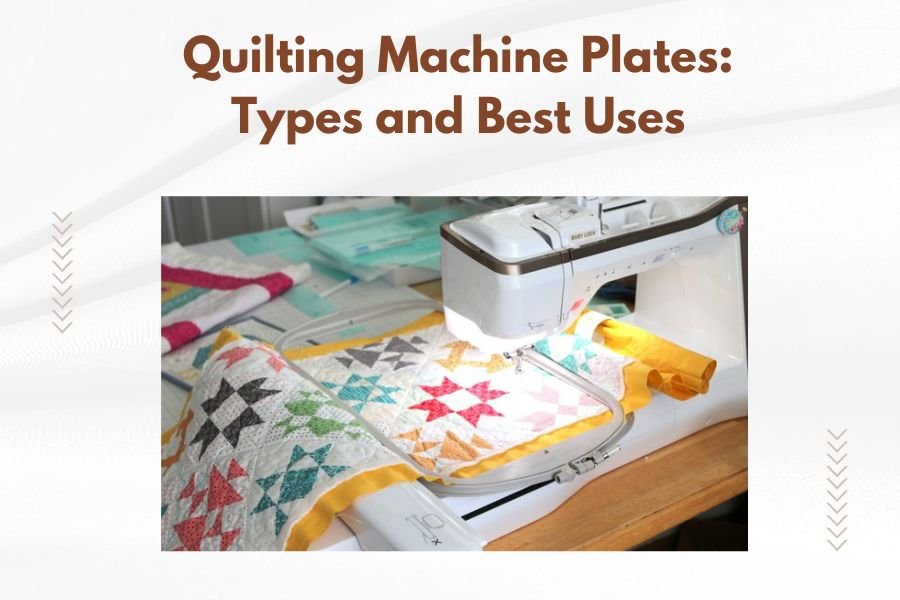
Quilting machine plates are specialized metal accessories that attach to your sewing machine to help guide fabric and create precise stitching patterns. They come in different shapes and sizes, each designed for specific quilting techniques like free-motion quilting, straight-line stitching, or decorative work.
The most common quilting machine plates include throat plates, extension tables, and specialty plates with various hole configurations. Choosing the right plate can dramatically improve your stitching quality and make complex quilting projects much easier to handle.
What Are Quilting Machine Plates
Think of quilting machine plates as the foundation of your quilting setup. They sit directly under your needle and provide the surface where your fabric moves during stitching.
Most quilters start with the basic plate that comes with their machine. But you’ll quickly discover that different projects need different plates. It’s like having the right tool for the right job.
Why Plates Matter More Than You Think
I found through research that using the wrong plate can cause thread bunching, uneven stitches, and fabric puckering. The right plate eliminates these problems.
Your choice of plate affects stitch quality, fabric control, and even how tired your hands get during long quilting sessions.
Main Types of Quilting Machine Plates
Let’s break down the most useful plates you’ll encounter. Each one serves a specific purpose in your quilting toolkit.
Straight Stitch Throat Plates
These plates have a single round hole that’s perfectly sized for your needle. They’re your go-to choice for straight-line quilting and piecing.
The small hole provides better fabric support around the needle. This prevents fabric from being pushed down into the machine, which can cause skipped stitches.
When to Use Straight Stitch Plates
Use these plates when you’re:
- Piecing quilt blocks with straight seams
- Quilting straight lines or grids
- Working with lightweight or delicate fabrics
- Wanting the cleanest possible straight stitches
Zigzag Throat Plates
These plates have an oval-shaped opening that accommodates the side-to-side motion of zigzag stitches. They’re more versatile than straight stitch plates.
Most machines come with a zigzag plate as standard. You can use them for both straight and decorative stitching.
Best Uses for Zigzag Plates
Zigzag plates work well for:
- Decorative stitching on quilt tops
- Appliqué work with satin stitches
- Buttonholes and other utility stitches
- General-purpose quilting when you switch between stitch types
Free Motion Quilting Plates
These specialized plates give you maximum fabric visibility and control during free-motion work. They often have a larger opening and special markings.
Some free-motion plates are clear or have grid lines to help you maintain consistent spacing.
Perfect Situations for Free Motion Plates
You’ll love these plates when:
- Creating custom quilting designs
- Following marked quilting patterns
- Doing stippling or meandering
- Working on large quilts where you need to see your progress
Extension Tables and Plates
Extension tables attach to your machine to create a larger, flat work surface. They’re not technically plates, but they work with your throat plate to improve quilting.
I’ve researched that quilters who use extension tables report less fabric distortion and better stitch quality on large projects.
How Extension Tables Help
Extension tables solve several common quilting problems:
- They support heavy quilts so fabric doesn’t pull away from the needle
- They create smooth fabric movement across the work surface
- They reduce strain on your arms and shoulders
- They give you more space to maneuver large projects
Choosing the Right Extension Table Size
Consider your typical project size when picking an extension table. A table that’s too small won’t help much. One that’s too large might not fit your workspace.
Many experts recommend extension tables that are at least 18 inches square for most quilting projects.
Specialty Plates for Specific Techniques
Beyond the basic types, you’ll find specialty plates designed for specific quilting techniques. These can be game-changers for certain projects.
Echo Quilting Plates
These plates have concentric circle markings that help you create consistent echo quilting patterns. The markings act as guides for spacing your quilting lines.
Echo quilting creates a ripple effect around appliqué shapes or other design elements. Getting the spacing right by eye is tough, so these plates are helpful.
Ruler Work Plates
Ruler work plates have a specific thickness and surface that works with quilting rulers. They allow rulers to glide smoothly while maintaining the right height relationship with your hopping foot.
If you want to try ruler work quilting, you’ll need a compatible plate. Regular throat plates don’t provide the right setup.
Embroidery Plates
These plates support embroidery work on quilts. They often have smooth surfaces and special openings that work with embroidery hoops.
You might use embroidery plates when adding decorative elements to quilt blocks or creating embroidered quilt labels.
Material and Quality Considerations
Not all quilting plates are created equal. The material and manufacturing quality affect how well they work and how long they last.
Metal vs. Plastic Plates
Most quality quilting plates are made from metal, usually stainless steel or aluminum. Metal plates provide smooth fabric movement and don’t wear down quickly.
Plastic plates are cheaper but can develop rough edges over time. This can catch on your fabric and cause problems.
Surface Finish Importance
The surface finish on your plate affects how smoothly fabric moves across it. Look for plates with polished or anodized surfaces.
Rough or scratched surfaces can snag delicate fabrics. They also make it harder to move your quilt smoothly during stitching.
How to Choose the Right Plate for Your Project
Picking the right plate depends on several factors. Let’s walk through the decision-making process.
Consider Your Quilting Style
Are you mainly doing straight-line quilting, free-motion work, or a mix of both? Your primary quilting style should guide your plate choices.
If you do mostly piecing and straight quilting, invest in a high-quality straight stitch plate first.
Think About Fabric Types
Different fabrics work better with different plates. Lightweight fabrics need more support, while heavier fabrics are more forgiving.
| Fabric Type | Best Plate Choice | Why It Works |
|---|---|---|
| Lightweight cottons | Straight stitch plate | Maximum support prevents fabric from being pushed down |
| Heavy quilting cottons | Zigzag plate | Larger opening accommodates thicker fabric layers |
| Delicate fabrics | Straight stitch plate | Small hole reduces chance of fabric damage |
| Stretchy fabrics | Specialty stabilizing plate | Helps control fabric stretch during stitching |
Match Plate to Thread Choice
Thicker threads like topstitching thread work better with plates that have slightly larger openings. Fine threads work well with any properly-sized plate opening.
If you frequently switch between thread weights, a zigzag plate gives you more flexibility.
Installation and Setup Tips
Getting your quilting plate properly installed and aligned is important for good results. Here’s how to do it right.
Proper Plate Installation
Always turn off your machine before changing plates. Remove the old plate carefully, noting how it was positioned.
Make sure the new plate sits flush with your machine bed. Any gaps or raised edges will cause fabric feeding problems.
Needle Position Check
After installing a new plate, manually turn your handwheel to check needle clearance. The needle should pass through the center of the opening without touching the sides.
If the needle hits the plate, you either have the wrong plate for your machine or it’s not properly aligned.
Maintenance and Care
Taking care of your quilting plates keeps them working smoothly and extends their life.
Regular Cleaning
Lint and thread buildup around the plate opening can cause stitching problems. Clean around your plate opening regularly with a small brush.
Remove the plate occasionally for thorough cleaning. This also lets you clean the feed dogs underneath.
Preventing Damage
Avoid using pins near the plate opening where they might scratch the surface. Store plates in protective cases when not in use.
Replace plates that develop rough edges or deep scratches. These defects can damage your fabric.
Common Problems and Solutions
Even with the right plate, you might encounter some issues. Here are solutions to common problems.
Thread Bunching Under Fabric
This often happens when the plate opening is too large for your needle and thread combination. Switch to a straight stitch plate if you’re using one.
Also check that your upper thread tension isn’t too loose.
Fabric Not Feeding Smoothly
If fabric catches or hesitates as it moves across the plate, check the surface for rough spots. Clean any buildup around the opening.
Sometimes the problem is actually with dirty feed dogs underneath the plate.
Budget-Friendly Plate Options
You don’t need to buy every possible plate right away. Start with the basics and add specialty plates as your skills develop.
Essential Plates to Start With
I recommend starting with these three plates:
- A high-quality straight stitch plate
- Your machine’s standard zigzag plate
- A basic extension table if you do large quilts
This combination handles 90% of common quilting situations.
When to Add Specialty Plates
Add specialty plates when you find yourself doing specific techniques regularly. There’s no point buying a ruler work plate if you never do ruler quilting.
Many quilters build their plate collection over several years as their interests develop.
Conclusion
Quilting machine plates might seem like small accessories, but they make a big difference in your quilting results. The right plate provides better stitch quality, easier fabric handling, and less frustration during your projects.
Start with the basic plates that match your current quilting style. You can always add specialty plates later as you explore new techniques. Remember that a few high-quality plates will serve you better than many cheap ones.
Take time to learn how each plate works and when to use it. This knowledge will improve your quilting more than almost any other accessory purchase you can make.
What’s the difference between a throat plate and an extension table?
A throat plate is the metal piece that sits directly under your needle with an opening for the needle to pass through. An extension table is a larger surface that attaches to your machine to provide additional workspace and support for large quilts. They work together but serve different functions.
Can I use a straight stitch plate for all my quilting projects?
You can use a straight stitch plate for any project that only requires straight stitching, but you’ll need to switch to a zigzag plate for decorative stitches, buttonholes, or appliqué work. Many quilters keep both types on hand and switch between them as needed.
How do I know if my quilting plate is compatible with my sewing machine?
Check your sewing machine’s model number and look for plates specifically designed for that model or brand. Plates from different manufacturers often have different mounting systems and won’t fit properly. When in doubt, consult your machine’s manual or contact the manufacturer.
Why does my thread keep bunching up even with the right plate?
Thread bunching can happen due to incorrect tension settings, using the wrong needle size for your thread, or lint buildup around the plate opening. Make sure your upper and lower thread tensions are balanced, clean around the plate regularly, and use the appropriate needle size for your thread weight.
Are expensive quilting plates worth the extra cost?
Higher-priced plates typically offer better surface finishes, more precise manufacturing, and longer-lasting materials. While you don’t need the most expensive options, investing in quality plates for your most-used types will improve your quilting experience and save money in the long run by avoiding replacements.