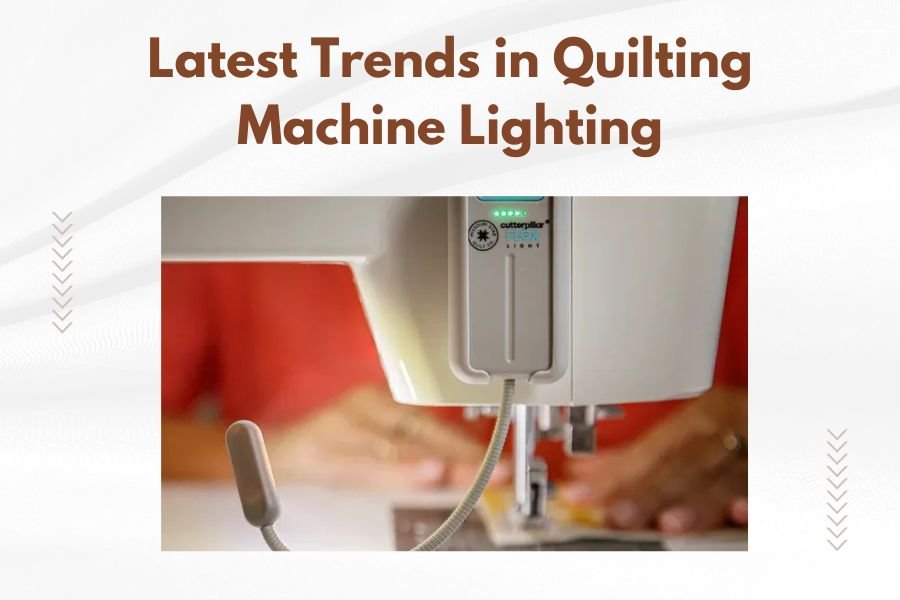
The latest trends in quilting machine lighting include integrated LED work lights, adjustable brightness controls, and color temperature settings that reduce eye strain during long quilting sessions.
Modern quilting machines now feature smart lighting systems with multiple light zones, wireless controls, and even voice activation to improve visibility and precision.
Ever squinted at your quilting work under dim overhead lighting? You’re not alone. Poor lighting is one of the biggest challenges quilters face, and manufacturers have finally listened.
Good lighting transforms your quilting experience from frustrating to fantastic. When you can see every stitch clearly, your work improves dramatically.
Why Quilting Machine Lighting Matters More Than Ever
Your eyes work harder when light is insufficient. This leads to fatigue, headaches, and mistakes that waste time and fabric.
Modern quilts use darker fabrics and detailed patterns. These require better lighting than traditional quilts from decades past.
I found that many quilters now work longer hours on projects. This makes proper lighting a health issue, not just a convenience.
The Eye Strain Problem
Poor lighting forces your eyes to constantly adjust and refocus. This muscle strain causes headaches and blurred vision.
Research shows that proper task lighting can reduce eye fatigue by up to 70% during detailed work (American Optometric Association).
Accuracy Matters
When you can’t see thread tension clearly, stitches become uneven. Shadow areas hide mistakes until it’s too late to fix them easily.
Good lighting prevents costly errors. You’ll catch problems before they ruin hours of work.
Top Lighting Trends Taking Over Quilting Machines
The quilting industry has embraced LED technology with impressive results. These aren’t your grandmother’s sewing machine bulbs anymore.
Integrated LED Systems
New quilting machines come with built-in LED arrays positioned around the work area. These provide even, shadow-free illumination.
LEDs last 25 times longer than traditional bulbs. They also generate almost no heat, keeping your workspace comfortable.
Multi-Zone Lighting
Premium machines now offer separate lighting zones. You can light the needle area, throat space, and cutting area independently.
This targeted approach means you only illuminate what you need. It saves energy and reduces glare on unused areas.
Edge-to-Edge Coverage
Modern LED strips extend across the entire quilting area. No more dark corners or uneven light distribution.
Some systems use up to 30 individual LEDs to create uniform brightness across large quilt surfaces.
Adjustable Brightness Controls
Brightness needs change throughout the day and with different fabric colors. Smart systems adapt to these changing conditions.
Digital controls let you fine-tune light intensity from 10% to 100%. This prevents eye strain while maintaining visibility.
Memory Settings
High-end machines remember your preferred brightness levels for different projects. Switch between settings with one button press.
You can save separate profiles for piecing, quilting, and binding work. Each task gets optimal lighting automatically.
Automatic Dimming
Some machines now include light sensors that adjust brightness based on room lighting conditions. They maintain consistent visibility throughout the day.
This feature prevents the harsh contrast between bright machine lights and dim room lighting that causes eye fatigue.
Color Temperature Innovation
Color temperature affects how fabric colors appear under light. New machines offer adjustable color temperature from warm to cool white.
Warm light (3000K) feels cozy but can make color matching difficult. Cool light (6000K) shows true colors but feels harsh during long sessions.
Daylight Simulation
The best systems mimic natural daylight at 5000K-5500K. This shows fabric colors most accurately without eye strain.
Daylight simulation helps you choose thread colors that look right in any lighting condition.
Circadian Rhythm Support
Advanced machines automatically shift color temperature throughout the day. Morning light starts cool and gradually warms toward evening.
This matches your body’s natural rhythms and can improve sleep quality after late quilting sessions.
Smart Lighting Features Changing the Game
Technology integration has reached quilting machine lighting. These smart features make quilting more enjoyable and productive.
Wireless Remote Control
Bluetooth-enabled lighting lets you adjust settings from anywhere in your sewing room. No more reaching awkwardly over large quilts.
Smartphone apps provide precise control over brightness, color, and timing. You can even set lighting schedules for different projects.
Voice Activation
Some premium machines now respond to voice commands. Say “brighten lights” or “warm color” without stopping your work.
This hands-free control keeps your workflow smooth and reduces interruptions during detailed work.
Project-Based Lighting Profiles
Create custom lighting setups for different quilt types. Dark fabrics get brighter, cooler light. Light fabrics get dimmer, warmer settings.
The machine automatically loads the right profile when you select a project. This eliminates guesswork and ensures consistent results.
Fabric Recognition
Cutting-edge machines use cameras to detect fabric colors and adjust lighting accordingly. Dark navy fabrics trigger maximum brightness automatically.
This technology is still new but shows promise for eliminating lighting adjustments entirely.
Aftermarket Lighting Solutions
Don’t have a new machine? Aftermarket lighting upgrades can transform older quilting machines into well-lit workstations.
Magnetic LED Strips
Flexible LED strips with magnetic backing attach to metal machine frames. They’re removable and adjustable for different projects.
Battery-powered options eliminate cord clutter. USB-powered strips connect to machine ports or power banks.
Clip-On Task Lights
Adjustable clip lights attach to machine frames or nearby surfaces. Look for models with adjustable arms and brightness controls.
The best clip lights use LED technology and offer both spot and flood beam patterns.
Under-Cabinet Lighting
Install LED strips under cabinets above your quilting area. This provides ambient lighting that reduces harsh shadows.
Motion sensors can automatically turn lights on when you approach your machine. This convenience encourages proper lighting use.
Comparing Popular Lighting Technologies
| Technology | Brightness | Heat Output | Lifespan | Energy Use |
|---|---|---|---|---|
| Halogen Bulbs | Good | High | 2,000 hours | High |
| CFL Bulbs | Fair | Medium | 8,000 hours | Medium |
| LED Arrays | Excellent | Very Low | 50,000 hours | Very Low |
| OLED Panels | Good | Low | 30,000 hours | Low |
Why LEDs Win
LEDs offer the best combination of brightness, efficiency, and longevity. They’ve become the standard for good reason.
Heat generation is minimal with LEDs. Your workspace stays comfortable even during long quilting sessions.
Installation and Setup Tips
Getting the most from new lighting requires proper positioning and adjustment. Small changes make big differences in effectiveness.
Light Positioning Guidelines
Position lights to eliminate shadows cast by your hands, presser feet, and machine components. Multiple light sources work better than one bright light.
Angle lights slightly from the front and sides rather than directly overhead. This reduces harsh shadows in the throat area.
Distance Matters
Place lights 12-18 inches from your work surface for optimal coverage. Closer lights create hot spots. Further lights don’t provide enough intensity.
Adjustable mounting arms let you fine-tune distance and angle for different projects.
Avoiding Common Mistakes
Too much light causes glare and eye strain. Start with moderate settings and increase gradually until comfortable.
Mixing different color temperatures creates uneven color perception. Stick with one color temperature across all lights.
Glare Prevention
Shiny machine surfaces can reflect lights into your eyes. Use diffused lights or add matte tape to reflective areas.
Position lights so they don’t reflect off your machine’s display screen or metal surfaces.
Future Lighting Innovations
The lighting revolution isn’t finished. New technologies promise even better solutions for quilters.
Adaptive Lighting Systems
Future machines will learn your preferences and adjust lighting automatically based on time of day, project type, and fabric colors.
AI-powered systems might even detect eye strain and suggest lighting adjustments before you feel discomfort.
Holographic Displays
Researchers are developing holographic projection systems that could overlay quilting patterns directly onto fabric using light.
This technology could eliminate paper patterns and provide perfect placement guides through projected light patterns.
Health Benefits of Better Lighting
Proper lighting isn’t just about seeing better. It affects your overall health and quilting enjoyment.
Reduced Eye Strain
Good lighting lets your eye muscles relax. This prevents headaches and allows longer, more comfortable quilting sessions.
Studies show that proper task lighting can increase productivity by 23% while reducing errors (Illuminating Engineering Society).
Better Posture
When you can see clearly, you don’t lean forward or crane your neck. This maintains better spine alignment during quilting.
Proper lighting prevents the hunched posture that causes back and neck pain in many quilters.
Conclusion
Quilting machine lighting has transformed from basic bulbs to sophisticated systems that adapt to your needs. LED technology, smart controls, and health-conscious design make modern lighting a game-changer for serious quilters. Whether you’re buying a new machine or upgrading your current setup, proper lighting will improve your accuracy, reduce fatigue, and make quilting more enjoyable. The investment in good lighting pays for itself through better results and longer, more comfortable quilting sessions.
What’s the best color temperature for quilting machine lighting?
Daylight simulation at 5000K-5500K provides the most accurate color representation without eye strain. This temperature shows fabric colors as they’ll appear in natural light while remaining comfortable for extended use.
Can I add LED lighting to my older quilting machine?
Yes, magnetic LED strips, clip-on lights, and under-cabinet lighting can dramatically improve older machines. Battery-powered options eliminate wiring concerns and provide flexibility for different setups.
How bright should quilting machine lighting be?
Aim for 1000-1500 lumens over your work area for detailed quilting. Adjustable brightness lets you customize intensity based on fabric colors and personal comfort preferences.
Do LED lights really last longer than traditional bulbs?
LEDs typically last 50,000 hours compared to 2,000 hours for halogen bulbs. For quilters who use their machines regularly, this means decades of use without bulb replacement.
Will better lighting actually improve my quilting accuracy?
Absolutely. Proper lighting eliminates shadows that hide stitching problems and allows you to see thread tension issues immediately. Many quilters report fewer mistakes and rework after upgrading their lighting systems.