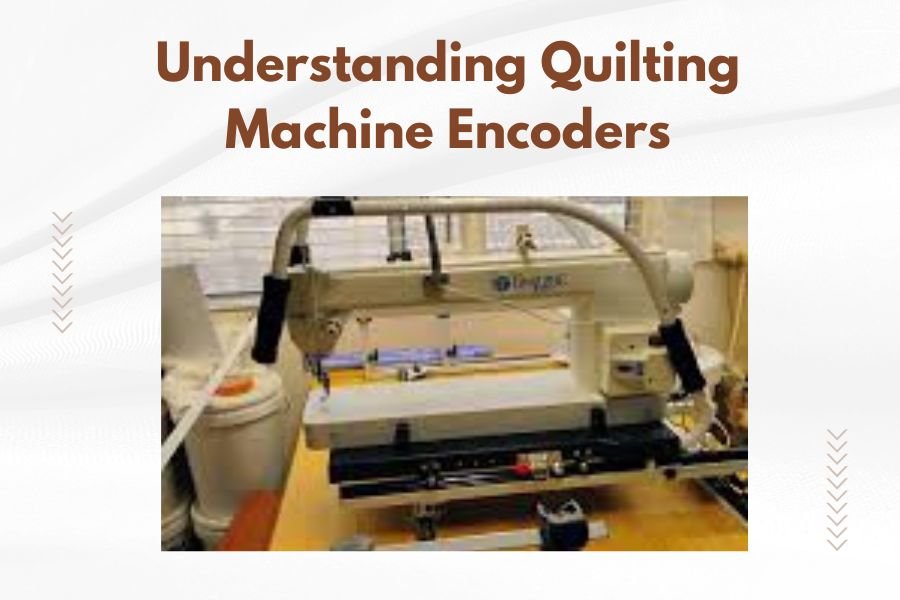
Quilting machine encoders are electronic sensors that track your machine’s movement and position during quilting, ensuring accurate stitch placement and pattern reproduction.
These devices convert mechanical motion into digital signals that help your quilting machine maintain precise control over needle positioning and fabric movement.
What Are Quilting Machine Encoders
Think of encoders as your quilting machine’s GPS system. They constantly monitor where your machine head is positioned and how fast it’s moving across your quilt.
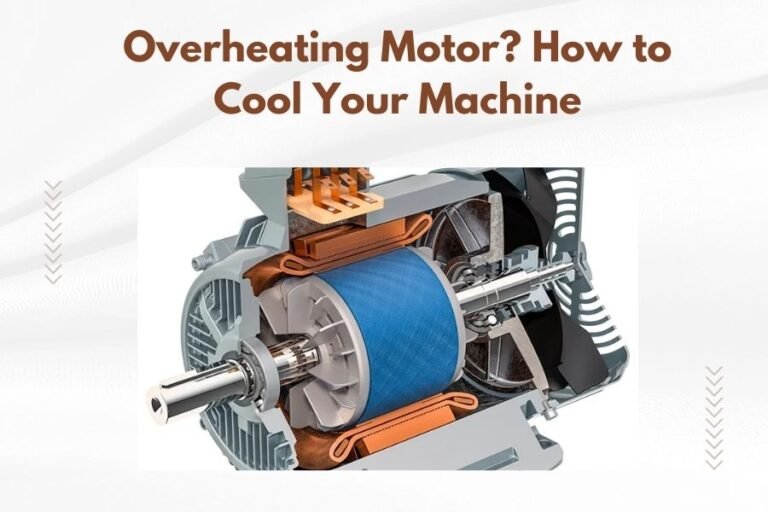
Most modern longarm quilting machines use two types of encoders: linear encoders and rotary encoders. Linear encoders track straight-line movement, while rotary encoders monitor circular or angular motion.
When you move your machine manually or use computerized patterns, encoders send real-time position data to your machine’s control system. This data helps maintain consistent stitch length and accurate pattern placement.
How Encoders Work in Your Quilting Process
Your quilting machine’s brain needs constant updates about its position. Encoders provide this information thousands of times per second.
As you quilt, encoders measure distance traveled and speed of movement. They send this data to your machine’s computer, which adjusts needle timing and thread tension accordingly.
The Signal Conversion Process
Encoders convert mechanical movement into electrical pulses. Each pulse represents a tiny increment of movement, usually measured in fractions of an inch.
Your machine’s computer counts these pulses to calculate exact position. This process happens so quickly that you experience smooth, precise quilting without noticeable delays.
Types of Encoders in Quilting Machines
Different quilting machines use various encoder technologies. Understanding these differences helps you choose the right machine and troubleshoot problems.
Optical Encoders
Optical encoders use light beams to detect movement. They contain a light source, a coded disc or strip, and a light sensor.
As your machine moves, the coded pattern interrupts the light beam. The sensor counts these interruptions to determine position and speed.
Many high-end quilting machines prefer optical encoders because they provide excellent accuracy and don’t wear out from physical contact.
Benefits of Optical Systems
Optical encoders resist dust and debris better than mechanical alternatives. They also maintain accuracy over long periods without calibration.
You’ll find these systems especially reliable for detailed computerized quilting patterns that demand precise positioning.
Magnetic Encoders
Magnetic encoders use magnetic fields to track position. They contain a magnetic strip or wheel and a sensor that detects changes in magnetic field strength.
These systems work well in dusty environments where optical encoders might struggle. Many mid-range quilting machines use magnetic encoders for their durability.
Magnetic System Advantages
Magnetic encoders handle vibration and temperature changes better than optical systems. They’re also less expensive to manufacture and repair.
If you quilt in a workshop environment with lots of fabric dust, magnetic encoders might serve you better than optical alternatives.
Why Encoders Matter for Your Quilting Quality
Accurate encoders directly impact your finished quilt quality. Poor encoder performance leads to uneven stitching, distorted patterns, and frustrating results.
Stitch Consistency
Good encoders help maintain consistent stitch length throughout your quilt. This consistency creates professional-looking results and prevents puckering or loose areas.
When encoders work properly, your machine adjusts needle speed based on how fast you’re moving. Slow movements get more stitches per inch, while faster movements maintain appropriate stitch density.
Pattern Accuracy
Computerized quilting patterns depend entirely on accurate encoder feedback. Without precise position data, your machine can’t reproduce complex designs correctly.
Even small encoder errors accumulate over large quilts, causing pattern distortion that becomes obvious in the finished product.
Thread Tension Control
Modern quilting machines adjust thread tension based on encoder feedback about your quilting speed and direction changes.
This automatic adjustment prevents thread breaks and ensures consistent stitch formation across your entire quilt.
Common Encoder Problems and Solutions
Like any electronic component, encoders can develop problems that affect your quilting experience. Recognizing these issues helps you address them quickly.
Dirty or Obstructed Sensors
Fabric lint and dust can interfere with encoder operation. This contamination causes erratic stitching and position errors.
Regular cleaning prevents most encoder problems. Use compressed air to blow debris away from encoder components monthly.
Cleaning Best Practices
Always disconnect power before cleaning encoders. Use only manufacturer-approved cleaning solutions and soft brushes.
Pay special attention to optical encoder windows and magnetic encoder surfaces. Even small amounts of contamination can cause significant problems.
Loose or Damaged Connections
Encoder cables can work loose over time, especially on machines that see heavy use. Loose connections cause intermittent problems that are hard to diagnose.
Check all encoder cable connections regularly. Look for bent pins, corroded contacts, or loose mounting screws.
Cable Maintenance Tips
Avoid pulling on encoder cables during machine operation. Route cables away from sharp edges and moving parts.
Replace damaged cables immediately. Temporary fixes rarely work reliably and often cause additional problems.
Encoder Calibration and Maintenance
Proper encoder maintenance extends their life and maintains quilting accuracy. Most maintenance tasks are simple and take just a few minutes.
Regular Calibration Procedures
Most quilting machines include built-in calibration routines for their encoders. Run these procedures monthly or whenever you notice accuracy problems.
Calibration typically involves moving your machine through specific patterns while the computer measures encoder output. This process corrects small errors that develop over time.
When to Calibrate
Calibrate encoders after any major maintenance, software updates, or if you notice stitching inconsistencies. Also calibrate when moving your machine to a new location.
Temperature changes can affect encoder accuracy, so seasonal calibration helps maintain consistent performance.
Preventive Maintenance Schedule
Create a regular maintenance schedule to keep your encoders working properly. This schedule should include cleaning, inspection, and calibration tasks.
| Frequency | Maintenance Task | Time Required |
|---|---|---|
| Weekly | Visual inspection for damage | 5 minutes |
| Monthly | Clean encoder surfaces | 15 minutes |
| Quarterly | Check cable connections | 10 minutes |
| Annually | Professional calibration | 30 minutes |
Choosing Machines with Quality Encoders
When shopping for a quilting machine, encoder quality should influence your decision. Better encoders mean better quilting results and fewer maintenance headaches.
What to Look For
Ask about encoder resolution when comparing machines. Higher resolution encoders provide more precise position feedback and better pattern accuracy.
Also consider encoder type and environmental resistance. Machines used in dusty environments benefit from sealed encoder systems.
Questions for Dealers
Ask dealers about encoder warranty coverage and replacement costs. Some manufacturers offer extended warranties specifically for encoder components.
Find out about calibration procedures and whether you can perform them yourself or need professional service.
Troubleshooting Encoder Issues
When encoder problems occur, systematic troubleshooting helps identify the root cause quickly.
Symptom-Based Diagnosis
Different encoder problems create specific symptoms. Intermittent stitching usually indicates loose connections, while consistent pattern distortion suggests calibration issues.
Keep a log of problems and their solutions. This record helps identify recurring issues and track encoder performance over time.
Common Symptoms and Causes
Erratic stitch length often results from dirty encoders or loose mounting hardware. Pattern drift typically indicates calibration problems or worn encoder components.
Complete loss of position feedback usually means cable damage or power supply issues.
Future of Quilting Machine Encoders
Encoder technology continues advancing, with newer systems offering better accuracy and reliability than older designs.
Emerging Technologies
Some manufacturers now use wireless encoder systems that eliminate cable problems. Others incorporate artificial intelligence to predict and compensate for encoder drift.
These advances make quilting machines more reliable and easier to use, especially for complex computerized patterns.
Conclusion
Understanding your quilting machine’s encoders helps you maintain better stitch quality and avoid frustrating problems. These precision devices work behind the scenes to make your quilting experience smooth and accurate. Regular maintenance, proper cleaning, and timely calibration keep encoders working at their best. When shopping for a new machine, don’t overlook encoder quality – it directly impacts your quilting results. With proper care, quality encoders will provide years of reliable service, helping you create beautiful quilts with professional-level precision.
How often should I clean my quilting machine encoders?
Clean your encoders monthly with compressed air to remove fabric dust and lint. Heavy users should clean weekly, while occasional quilters can extend cleaning to every six weeks. Always disconnect power before cleaning and avoid using liquid cleaners on optical encoder windows.
Can I replace quilting machine encoders myself?
Most encoder replacements require professional service due to precise calibration requirements and specialized tools. While you can handle basic maintenance like cleaning and cable checks, replacement work typically voids warranties if done incorrectly. Contact your dealer for replacement services.
Why does my quilting pattern drift even with good encoders?
Pattern drift with functioning encoders usually indicates calibration problems, loose machine mounting, or fabric shifting during quilting. Run your machine’s calibration routine first, then check that your quilting frame is stable and your fabric is properly tensioned.
What’s the difference between high and low resolution encoders?
High resolution encoders detect smaller increments of movement, providing more precise position feedback. This translates to better stitch placement accuracy and smoother curve reproduction in computerized patterns. Low resolution encoders work fine for simple quilting but struggle with detailed designs.
Do all quilting machines use the same type of encoders?
No, different manufacturers use various encoder technologies including optical, magnetic, and mechanical systems. Each type has advantages – optical encoders offer high accuracy, magnetic encoders resist dust, and mechanical encoders are cost-effective. Your quilting needs and environment determine which type works best.