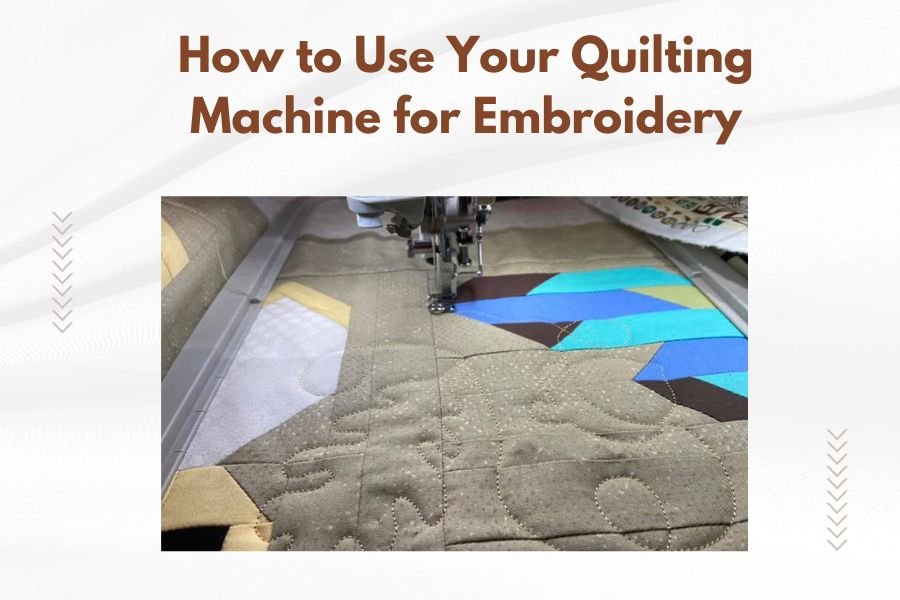
You can use your quilting machine for embroidery by switching to an embroidery hoop, using embroidery thread, and adjusting tension settings for decorative stitching.
Most modern quilting machines support basic embroidery functions, though you’ll need the right attachments and settings to get professional results.
Ready to turn your quilting machine into an embroidery powerhouse? You’re in the right place. Many quilters don’t realize their machine can do double duty.
Let’s jump right into the practical steps. No fluff, just the good stuff you need to know.
Can Your Quilting Machine Handle Embroidery?
First things first. Check your machine’s manual or model number online.
Most quilting machines made after 2010 can handle basic embroidery. You’ll need a machine that does decorative stitches and accepts embroidery hoops.
Signs Your Machine Is Embroidery-Ready
- It has decorative stitch options beyond straight and zigzag
- The manual mentions embroidery attachments
- You can adjust stitch length and width independently
- It accepts different presser feet
Don’t have these features? You can still do simple embroidery by hand-guiding fabric. It just takes more patience.
Essential Equipment You’ll Need
Here’s your shopping list. Nothing fancy, just the basics that work.
Embroidery Hoops
Spring hoops work best for machine embroidery. They grip fabric tighter than wooden ones.
Start with a 6-inch hoop. It fits most projects and works with standard machine throats.
Embroidery Thread
Regular quilting thread is too thick. You need embroidery thread.
Rayon thread gives the best shine. Polyester lasts longer. Cotton looks more natural.
Stabilizer
This goes under your fabric. It prevents puckering and keeps stitches clean.
Tear-away stabilizer works for most cotton fabrics. Use cut-away for stretchy materials.
Embroidery Needles
Size 75/11 or 90/14 embroidery needles have larger eyes. They won’t shred your thread.
Setting Up Your Machine
Time to prep your machine. These steps make all the difference.
Threading for Embroidery
Thread your machine normally, but reduce top tension by 1-2 settings.
Use embroidery thread on top and regular thread in the bobbin. The colors should match your fabric, not each other.
Presser Foot Selection
Remove your regular presser foot. Most embroidery works better with an open-toe foot or no foot at all.
Some quilters prefer a darning foot for control. Try both and see what feels right.
Feed Dog Settings
Lower your feed dogs if possible. You’ll be moving the fabric manually.
Can’t lower them? Cover them with tape or a special plate.
Preparing Your Fabric
Good prep prevents headaches later. Trust me on this one.
Fabric Selection
Start with medium-weight cotton. It’s forgiving and holds stitches well.
Avoid slippery fabrics like satin until you’re comfortable. They shift around too much.
Hooping Technique
Place stabilizer in the hoop first. Lay your fabric on top, right side up.
Tighten the hoop until fabric sounds like a drum when you tap it. Loose fabric causes wobbly stitches.
Marking Your Design
Use water-soluble markers to outline your design. The marks disappear when you wash the fabric.
Keep designs simple at first. Think flowers, leaves, or geometric shapes.
Basic Embroidery Techniques
Let’s start stitching. These techniques work on any quilting machine.
Free-Motion Embroidery
This is like drawing with thread. You control the fabric movement completely.
Set your stitch length to zero. Move the hoop slowly while keeping a steady sewing pace.
Getting Smooth Lines
Think of your hands as a steering wheel. Move them together, not independently.
Practice circles and swirls on scrap fabric first. Muscle memory takes time to develop.
Programmed Decorative Stitches
Your machine’s built-in stitches work great for embroidery borders and accents.
Try them on test fabric first. Adjust stitch length and width until you like the look.
Combining Different Stitches
Layer different decorative stitches for texture. Start with wider stitches, then add narrow ones on top.
Change thread colors between layers. It creates depth and interest.
Common Problems and Quick Fixes
Everyone runs into these issues. Here’s how to solve them fast.
Thread Keeps Breaking
Your tension is probably too tight. Lower it gradually until the breaking stops.
Check your needle too. Dull needles cause thread stress.
Stitches Look Loose or Messy
You’re moving the fabric too fast. Slow down your hand movements.
Also check that your fabric is tight in the hoop. Loose fabric equals loose stitches.
Fabric Puckering
Add more stabilizer under your fabric. Two layers often work better than one.
Make sure your hoop isn’t too tight. It should be snug, not crushing the fabric.
Uneven Stitch Density
This happens when you move the fabric at different speeds. Practice keeps your hands steady.
Some quilters count in their head to maintain rhythm. Find what works for you.
Project Ideas for Beginners
Ready to make something beautiful? Start with these simple projects.
Embroidered Quilt Labels
Practice on small fabric squares first. Add your name, date, or a simple design.
These make perfect gifts and help you learn tension control.
Decorative Pillow Covers
Embroider one corner or the center panel. Keep designs small and simple.
Cotton canvas works well and hides minor mistakes.
Table Runner Borders
Add embroidered borders to plain fabric strips. Geometric patterns look professional and are easy to stitch.
Design Planning Tips
Sketch your ideas on paper first. This helps you plan thread changes and stitch direction.
Keep a photo record of projects you love. It helps you remember successful techniques.
Advanced Tips for Better Results
Once you’re comfortable, try these pro tricks.
Thread Color Changes
Plan your lightest colors first, then work toward darker ones. Light threads show through dark ones.
Leave long thread tails when changing colors. You can hide them later with a hand needle.
Layering Techniques
Build up texture with multiple thread layers. Start with outline shapes, then fill them in.
Different thread weights create natural shadows and highlights.
Using Metallic Threads
Metallic threads add sparkle but can be tricky. Use a larger needle and slower stitching speed.
Some machines have special settings for metallic thread. Check your manual.
Maintenance and Care
Keep your machine happy with regular cleaning.
After Each Embroidery Session
Remove thread bits from around the bobbin case. Embroidery creates more lint than regular sewing.
Wipe down the machine bed where you moved the hoop. Fabric residue builds up quickly.
Weekly Deep Cleaning
Oil your machine according to the manual. Embroidery work puts extra stress on moving parts.
Check needle condition more often. Embroidery needles dull faster than regular ones.
Troubleshooting Tension Issues
Tension problems frustrate many beginners. Here’s how to fix them systematically.
Testing Your Settings
Sew test stitches on scrap fabric before starting any project. Adjust tension in small increments.
Perfect tension shows slight bobbin thread on the fabric bottom, but no top thread underneath.
When to Adjust What
If you see bobbin thread on top, loosen the top tension. If top thread shows on the bottom, tighten it slightly.
Change bobbin tension only as a last resort. It affects all your other sewing too.
Building Your Skills Progressively
Don’t jump into complex designs right away. Build skills step by step.
Week 1: Master Basic Controls
Practice moving the hoop smoothly. Stitch simple shapes like circles and squares.
Focus on consistent speed rather than perfect shapes.
Week 2: Work on Line Quality
Practice straight lines and gentle curves. Work on keeping stitches even.
Try writing your name in cursive. It teaches good hand coordination.
Week 3: Add Color Changes
Plan simple designs with 2-3 colors. Practice smooth transitions between sections.
Learn to start and stop cleanly without loose threads.
Tracking Your Progress
Keep a notebook of machine settings that work well. Note fabric types, thread brands, and tension settings.
Take photos of your best work. You’ll be surprised how quickly you improve.
Conclusion
Your quilting machine can absolutely handle embroidery work. With the right setup and some practice, you’ll create beautiful decorative elements for your quilts and other projects.
Start simple and build your skills gradually. Focus on getting smooth, even stitches before attempting complex designs. Remember that every expert started exactly where you are now.
The key is consistent practice and patience with yourself. Your first attempts might not be perfect, but each project teaches you something new. Soon you’ll be adding gorgeous embroidered details to all your quilting work.
Can I use regular sewing thread for machine embroidery?
Regular sewing thread is too thick and can cause tension problems. Embroidery thread is thinner and flows through the needle more smoothly, giving you better stitch quality and fewer thread breaks.
Do I need a special embroidery machine or can any quilting machine work?
Most quilting machines made in the last 15 years can handle basic embroidery. You need decorative stitches, adjustable tension, and the ability to use embroidery hoops. Check your manual for embroidery foot options.
Why does my embroidery look puckered even with stabilizer?
Puckering usually means your fabric is too loose in the hoop or you need heavier stabilizer. Try tightening the hoop until the fabric sounds like a drum, or use two layers of tear-away stabilizer instead of one.
How do I know what size embroidery hoop to buy?
Start with a 6-inch spring hoop, which works for most beginners and fits under standard quilting machine arms. Larger hoops give you more design space but can be harder to maneuver smoothly around tight curves.
What’s the best fabric for learning machine embroidery?
Medium-weight cotton works best for beginners because it holds stitches well and doesn’t shift around. Avoid stretchy fabrics, slippery materials like satin, or very lightweight fabrics until you’re comfortable with basic techniques.