Quilting machine designs include computerized, embroidery, longarm, midarm, and sit-down quilting machines, each designed for different project sizes and skill levels.
Your choice depends on workspace size, budget, and whether you prefer manual control or automated quilting machine designs with built-in patterns.
What Are Quilting Machine Designs?
Quilting machine designs refer to the different types and configurations of machines built for stitching quilt layers together. Think of them as specialized tools, each with unique strengths.
You’ll find machines ranging from small tabletop units to room-sized professional systems. Each design serves different quilting needs and skill levels.
How Quilting Machines Differ from Regular Sewing Machines
Regular sewing machines handle basic stitching. Quilting machines tackle thicker layers and offer more workspace.
The throat space – the area between the needle and machine body – is much larger on quilting machines. This lets you maneuver bigger projects easily.
Computerized Quilting Machine Designs
Computerized quilting machines are like having a quilting assistant built into your machine. They store hundreds of patterns and stitch them automatically.
Key Features of Computerized Models
These machines connect to tablets or computers. You select a pattern, and the machine does the stitching work.
- Built-in pattern libraries with 100-500+ designs
- Automatic thread tension adjustment
- Precise stitch regulation
- Pattern editing capabilities
- USB ports for downloading new designs
Who Should Choose Computerized Designs
You’re a good fit if you want consistent results without hand-guiding every stitch. These work well for quilters who prefer automated precision over manual control.
I found that many quilting shops use these for customer quilts because they ensure uniform results across different projects.
Longarm Quilting Machine Designs
Longarm machines are the workhorses of the quilting world. Picture a sewing machine head mounted on a long frame – that’s your longarm setup.
Standard Longarm Features
The machine head moves across a stationary quilt frame. You guide the stitching by moving the entire machine head.
Throat spaces range from 17 to 30 inches. Frame lengths typically measure 10 to 14 feet, letting you handle king-size quilts without rolling.
Manual vs. Computerized Longarms
Manual longarms give you complete creative control. You draw patterns with the machine head like using a large pencil.
Computerized longarms combine the large workspace with automated stitching. They’re perfect if you run a quilting business.
Space Requirements for Longarms
You’ll need a dedicated room. A typical setup requires about 12 by 16 feet of floor space.
Consider ceiling height too. You need room to load quilts onto the frame comfortably.
Midarm Quilting Machine Designs
Midarm machines split the difference between longarms and domestic machines. They offer more workspace than home machines but need less room than longarms.
Midarm Specifications
Throat space typically measures 15-17 inches. Frame lengths run 8-10 feet, making them suitable for most quilt sizes.
Many quilters find midarms hit the sweet spot for home use. You get professional capabilities without converting your entire spare room.
Best Uses for Midarm Machines
These excel at large quilts while fitting in smaller spaces. You can handle customer quilts or big family projects.
I came across many quilters who upgraded from domestic machines to midarms when their hobby grew serious.
Sit-Down Quilting Machine Designs
Sit-down quilting machines look like oversized domestic sewing machines. You sit at the machine while moving your quilt through the workspace.
How Sit-Down Models Work
The machine stays put while you maneuver the quilt. This feels familiar if you’re used to regular sewing machines.
Throat spaces range from 9 to 20 inches. Larger models rival some midarm machines for workspace.
Advantages of Sit-Down Designs
You don’t need special frames or large rooms. Most fit on sturdy tables or cabinets.
- Familiar operation style
- Smaller space requirements
- Lower cost than frame-mounted machines
- Easy storage when not in use
Embroidery Quilting Machine Combinations
Some machines combine quilting capabilities with embroidery features. These dual-purpose designs appeal to crafters who enjoy both techniques.
What These Machines Offer
You get quilting workspace plus embroidery hoops and software. Switch between modes depending on your current project.
Many include thousands of embroidery designs alongside quilting patterns. It’s like having two machines in one package.
Choosing the Right Quilting Machine Design
Your choice depends on several key factors. Let’s break them down simply.
Consider Your Space First
Measure your available room before falling in love with any machine. A longarm won’t work in a small apartment corner.
Think about workflow too. Can you walk around the machine? Is there storage for supplies nearby?
Budget Reality Check
Quilting machines range from $500 sit-down models to $50,000 professional longarms. Set a realistic budget including accessories and setup costs.
Don’t forget ongoing costs like specialized threads, bobbins, and maintenance.
Match Machine to Projects
What size quilts do you typically make? Baby quilts need less machine than king-size bedspreads.
Consider your quilting style. Free-motion quilters might prefer manual control. Pattern followers often like computerized automation.
| Machine Type | Best For | Space Needed | Price Range |
|---|---|---|---|
| Sit-Down | Small to medium quilts | Table space | $500-$8,000 |
| Midarm | All quilt sizes | 10×12 feet | $8,000-$25,000 |
| Longarm | Large quilts, business use | 12×16 feet | $15,000-$50,000 |
Essential Features to Look For
Some features matter more than others. Focus on these key elements when comparing machines.
Stitch Regulation Systems
Good stitch regulation keeps your stitches even regardless of how fast you move the machine. This feature separates quality machines from basic models.
Look for adjustable stitch length settings. You want consistency whether quilting straight lines or curves.
Thread Handling Features
Automatic thread cutters save time on complex patterns. Needle threaders help with setup, especially in dim lighting.
Large bobbin capacity reduces interruptions during long quilting sessions.
Lighting and Visibility
LED lighting systems illuminate your work area evenly. Good visibility reduces eye strain during detailed work.
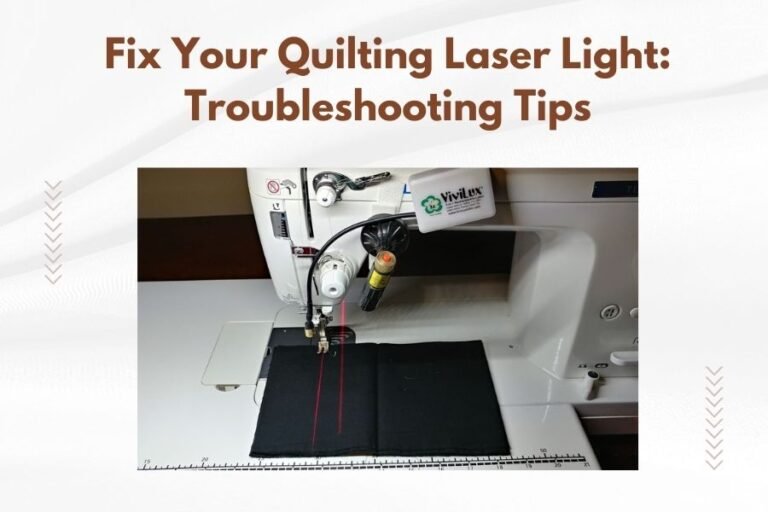
Some machines include laser guides for straight-line quilting. These project reference lines onto your quilt.
Maintenance Considerations
Different machine designs require different maintenance approaches. Plan for upkeep costs and time.
Regular Cleaning Requirements
Quilting creates more lint than regular sewing. You’ll clean your machine more often.
Longarm and midarm machines need daily cleaning if used professionally. Home use might allow weekly maintenance.
Professional Servicing Needs
Complex machines need professional servicing annually. Factor this into your ownership costs.
Find qualified technicians in your area before buying. Some brands have limited service networks.
Conclusion
Quilting machine designs range from compact sit-down models to room-filling longarm systems. Your perfect match depends on available space, typical project sizes, and quilting style preferences.
Start by honestly assessing your needs and space limitations. A smaller machine you’ll actually use beats a large one gathering dust in storage.
Remember that any quilting machine represents a significant investment. Take time to try different designs at quilt shows or local dealers before deciding.
What’s the difference between a quilting machine and a sewing machine?
Quilting machines have larger throat spaces for maneuvering bulky quilts and stronger motors to handle multiple fabric layers. Regular sewing machines work fine for basic quilting but struggle with large projects.
Can I use a longarm quilting machine in a small room?
Longarm machines typically need 12×16 feet of floor space minimum. Consider a midarm or sit-down model if you’re working with smaller rooms – they offer many of the same benefits in compact designs.
How much should I spend on my first quilting machine?
Budget $2,000-$5,000 for a quality entry-level machine that will grow with your skills. Avoid extremely cheap models that may frustrate beginners, but don’t overspend on features you won’t use initially.
Do computerized quilting machines work better than manual ones?
Computerized machines excel at consistent, repeatable patterns while manual machines offer unlimited creative freedom. Choose based on whether you prefer automated precision or hands-on artistic control.
What size quilts can different machine types handle?
Sit-down machines work well up to queen size quilts, midarms handle any home quilt size comfortably, and longarms manage commercial-sized projects. Consider your largest typical project when choosing machine size.