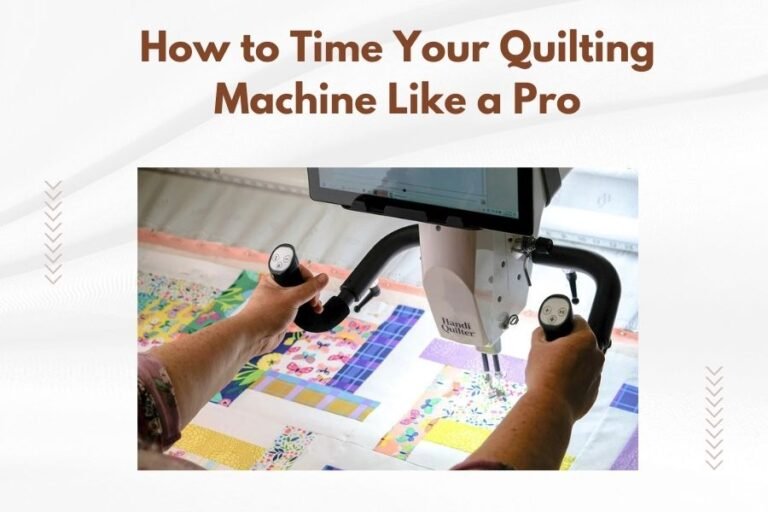
A quilting frame provides more workspace and better fabric tension for large quilts, while a quilting table offers convenience and storage for smaller projects.
The choice between a quilting frame vs. table depends on your project size, available space, and budget – frames work best for bed-sized quilts, tables excel for lap quilts and daily sewing.
What’s the Real Difference Between Quilting Frames and Tables?
Think of a quilting frame as your workspace’s sports car – built for one thing and does it amazingly well. A quilting table? That’s your reliable SUV, ready for multiple tasks.
Quilting frames hold your entire quilt sandwich taut, giving you access to work on large sections without bunching. Tables provide a flat surface with storage underneath, perfect for piecing and smaller quilting projects.
Size Matters Most
Your project size should drive this decision. Are you making king-size quilts or baby blankets? The answer changes everything.
Frames shine with quilts over 60 inches. Tables work better for projects under 45 inches wide.
Quilting Frames: The Powerhouse Option
From what I read, quilting frames transform how you approach large projects. They’re like having a personal quilting assistant that never gets tired.
Types of Quilting Frames
You’ll find three main frame styles, each with distinct benefits.
Floor Frames
These giants take up serious room but give you maximum workspace. You can walk around your entire quilt while working.
Floor frames typically measure 8 to 12 feet long. They’re perfect if you have a dedicated quilting room.
Table-Top Frames
Smaller frames that sit on existing tables. They offer frame benefits without eating your whole room.
Most table-top frames handle quilts up to 90 inches wide when fully extended.
Sit-Down Frames
These let you quilt comfortably from a chair. Your back will thank you during those long quilting sessions.
Frame Advantages You Can’t Ignore
Research shows that proper fabric tension reduces puckering by up to 75% compared to lap quilting. Frames deliver this tension automatically.
- Even tension across the entire quilt surface
- No fabric bunching or shifting
- Better stitch quality on large projects
- Reduced hand and wrist strain
- Ability to see your entire design layout
When Frames Make Perfect Sense
You’re making quilts larger than a double bed. You quilt frequently. You have dedicated space. You want professional-quality results.
Many experts say frames are essential for anyone serious about large quilt production.
Frame Drawbacks to Consider
Frames aren’t perfect. They demand space, money, and commitment.
- Require significant floor or table space
- Higher upfront cost ($200-$2000+)
- Not practical for small apartments
- Limited usefulness for other sewing tasks
- Assembly and breakdown time
Quilting Tables: The Versatile Choice
I found that quilting tables work like a Swiss Army knife – one tool, many uses. They adapt to whatever project you’re tackling today.
Table Types and Configurations
Not all quilting tables are created equal. Your needs determine which type serves you best.
Extension Tables
These attach to your sewing machine, expanding your work surface. Perfect for medium-sized projects without breaking the bank.
Most extension tables add 18-24 inches of workspace around your machine.
Cabinet Tables
Built-in storage meets extended workspace. Your sewing machine sits flush with the table surface, reducing neck strain.
Portable Tables
Lightweight options that fold for storage. Great for quilters who share their space with other activities.
Why Tables Win for Many Quilters
Tables offer flexibility that frames simply can’t match. You’re not locked into one type of project.
- Perfect for piecing and assembly
- Built-in storage for tools and fabric
- Suitable for multiple craft activities
- Easier to fit in smaller spaces
- Lower cost entry point
- Quick setup and breakdown
Table Sweet Spots
You work on varied project sizes. You need storage solutions. You share your crafting space. You’re budget-conscious but want quality results.
Table Limitations You Should Know
Tables can’t do everything. Large quilts become wrestling matches without proper support.
- Limited workspace for oversized projects
- Fabric weight can cause dragging
- Tension control requires more skill
- May need additional support for large quilts
Direct Comparison: Frame vs. Table
Let me break down the key differences in a way that makes your decision clearer.
| Factor | Quilting Frame | Quilting Table |
|---|---|---|
| Best For | Large quilts (60″+ wide) | Small to medium projects |
| Space Needed | 8-12 feet dedicated space | 4-6 feet flexible space |
| Cost Range | $200-$2000+ | $100-$800 |
| Setup Time | 30-60 minutes | 5-15 minutes |
| Versatility | Quilting only | Multiple crafts |
Space Requirements Reality Check
Measure your space before falling in love with either option. I can’t stress this enough – buy what fits your reality, not your dreams.
Frames need permanent or semi-permanent setup space. Tables can share space with other activities.
Making Your Decision
Your choice comes down to three questions. Answer these honestly, and your path becomes clear.
Question 1: What Size Quilts Do You Really Make?
Be honest about your actual projects, not the ones you dream about making someday.
If 80% of your quilts are lap-sized or smaller, a table makes more sense. If you regularly tackle bed-sized projects, invest in a frame.
Question 2: How Much Space Can You Dedicate?
Measure twice, buy once. Include walking space around your equipment.
Frames need at least 10×6 feet of floor space. Tables work in 6×4 foot areas.
Question 3: What’s Your Real Budget?
Include accessories, not just the base price. Frames often need additional clamps, stands, or supports.
Quality tables start around $150. Decent frames begin at $300.
Expert Tips for Each Choice
I researched what experienced quilters wish they’d known before buying. Here’s their wisdom.
If You Choose a Frame
Start with a mid-range option. You can always upgrade later once you know your preferences.
- Look for adjustable height features
- Check weight capacity for heavy quilts
- Ensure smooth roller operation
- Consider portability if you attend quilting groups
If You Choose a Table
Invest in good lighting and an ergonomic chair. These additions make any table work better.
- Measure your machine before buying
- Look for rounded corners to prevent fabric snags
- Check storage accessibility while seated
- Consider expandable options for future growth
Budget-Friendly Alternatives
You don’t need to spend a fortune to improve your quilting setup. Creative solutions can deliver similar benefits.
DIY Frame Solutions
PVC pipe frames cost under $50 to build. They’re not as sturdy as commercial frames, but they work for occasional large projects.
Table Hacks That Work
Add a piece of plywood across two sawhorses. Cover with batting and fabric for a smooth surface. Total cost: under $40.
Common Mistakes to Avoid
I found online that these mistakes trip up many first-time buyers. Learn from others’ experiences.
Buying Too Big Too Soon
That massive frame looks amazing until you realize it doesn’t fit through your doorway. Measure everything twice.
Ignoring Your Physical Needs
Consider your height, mobility, and comfort preferences. The best equipment is what you’ll actually use.
Focusing Only on Price
The cheapest option often costs more long-term. Buy quality once rather than replacing cheap equipment repeatedly.
Conclusion
Choosing between a quilting frame vs. table isn’t about finding the “best” option – it’s about finding what works best for you. Frames excel at large projects and deliver professional tension control, while tables offer versatility and convenience for varied crafting needs.
Consider your space, budget, and actual quilting habits. If you primarily make large quilts and have dedicated space, a frame will transform your work quality. If you value flexibility and work on diverse projects, a table serves you better.
Start with what fits your current reality. You can always upgrade as your skills and space evolve. The best quilting setup is the one you’ll use consistently to create beautiful projects.
Can I use a quilting table for large quilts?
Yes, but you’ll need additional support surfaces or extension arms to prevent fabric dragging. Many quilters use multiple tables or add rolling carts to support large quilt sections while working.
How much space do I really need around a quilting frame?
Allow at least 3 feet of walking space on all sides of your frame. This gives you room to move around the quilt and access different sections comfortably without bumping into walls or furniture.
Are expensive quilting frames worth the investment?
Higher-priced frames typically offer better tension systems, smoother adjustments, and longer-lasting materials. If you quilt frequently and make large projects, the improved results and reduced frustration often justify the cost.
Can I convert a regular table into a quilting table?
Absolutely. Add a large cutting mat or piece of plywood covered in batting and fabric. Ensure the surface is smooth and the right height for comfortable sewing. Many quilters successfully use dining tables or craft tables this way.
Which option is better for machine quilting vs. hand quilting?
Machine quilting benefits more from tables with good surface support and extension space. Hand quilting traditionally works better with frames that provide consistent tension and allow you to work from different angles around the quilt.