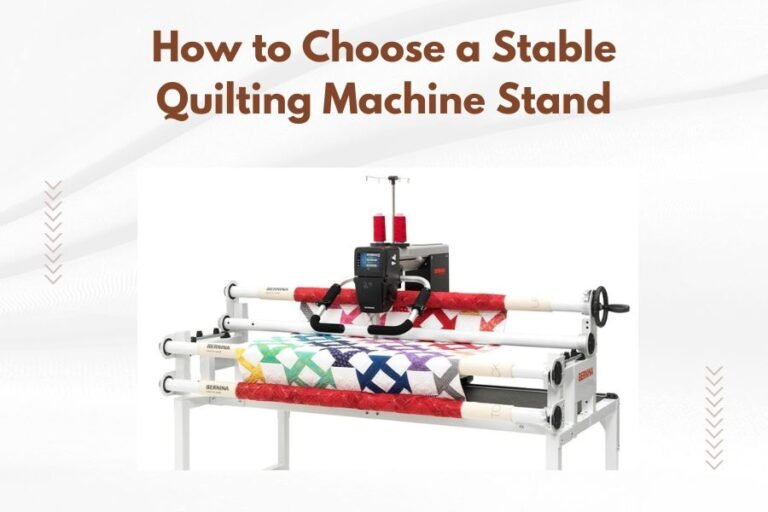
A quilting frame needs 8-12 feet of room length and 6-10 feet of width, depending on the frame size and quilt dimensions you plan to work on.
Most quilters find that a 10×8 foot space works well for medium-sized frames, but you’ll want extra room to move around comfortably while quilting.
Quick Size Guide for Different Quilting Frames
Let me break down the space requirements by frame type. This will help you plan your quilting room better.
Hand Quilting Hoops
Hand quilting hoops are the most space-friendly option. You need just enough room for a comfortable chair and about 4 feet of space around you.
A typical setup requires a 6×6 foot area minimum. You can even quilt on your kitchen table if needed.
Tabletop Quilting Frames
Tabletop frames sit on your existing table or counter. They need about 4-6 feet of table length and 3-4 feet of width.
Add 3 feet of walking space around the table. Your total room should be about 8×7 feet minimum.
Floor Stand Quilting Frames
Floor frames need more room since they’re larger and often adjustable. Plan for 8-10 feet of length and 6-8 feet of width.
These frames let you walk around your quilt. That’s why you need the extra space.
Understanding Frame Dimensions vs Room Size
Here’s something I found that surprises many new quilters. The frame size isn’t the same as the room size you need.
The Frame Footprint
A 8-foot quilting frame doesn’t need exactly 8 feet of room. It needs 8 feet plus your body space plus movement room.
Think of it like parking a car. You don’t just need the car’s length – you need room to open doors and walk around it.
Movement Space Requirements
You’ll be moving around your quilt constantly. Quilting experts recommend at least 2-3 feet of clear space on all sides of your frame.
This lets you reach different areas without bumping into walls or furniture. Trust me, you’ll appreciate this extra room during long quilting sessions.
Room Size Calculator by Quilt Size
Let me share what I found from quilting space research. Different quilt sizes need different room setups.
| Quilt Size | Frame Length Needed | Total Room Length | Total Room Width |
|---|---|---|---|
| Baby Quilt | 4-5 feet | 8-9 feet | 7-8 feet |
| Twin Quilt | 6-7 feet | 10-11 feet | 8-9 feet |
| Queen Quilt | 8-9 feet | 12-13 feet | 10-11 feet |
| King Quilt | 9-10 feet | 13-14 feet | 11-12 feet |
Why These Numbers Matter
I researched quilting ergonomics and found that cramped spaces lead to back pain and poor quilting quality. Give yourself room to work comfortably.
Many quilters start in small spaces and upgrade later. That’s perfectly fine – just know your limitations upfront.
Ceiling Height Considerations
Don’t forget to look up! Your ceiling height affects your quilting comfort too.
Standard Height Requirements
Most quilting frames work fine with 8-foot ceilings. You need about 7 feet of clear height minimum.
Some adjustable frames extend higher when set up. Check your specific frame’s maximum height before buying.
Lighting and Ventilation
Higher ceilings give you better options for overhead lighting. Good lighting is essential for detailed quilting work.
You’ll also appreciate better air circulation during long quilting sessions. Quilting can be warm work!
Storage Space Planning
Your quilting frame is just one part of your space needs. Let’s talk about storage.
Fabric Storage
Plan for fabric shelves or bins near your quilting area. You don’t want to leave your quilt to hunt for thread or tools.
I found that most quilters underestimate storage needs. Fabric collections grow quickly!
Tool Organization
Keep your scissors, rulers, and marking tools within arm’s reach. A small rolling cart works great for this.
Consider wall storage for frequently used items. Pegboards are popular among quilters I’ve read about online.
Multi-Purpose Room Solutions
Not everyone has a dedicated quilting room. Here are ways to share space effectively.
Foldable Frame Options
Many modern quilting frames fold up when not in use. This lets you use the same room for other activities.
Look for frames that fold flat against walls or fit under beds. These designs save significant space.
Convertible Furniture
Some quilting tables double as dining tables or desks. This maximizes your room’s usefulness.
Just make sure the height works for both quilting and your other needs.
Common Space Mistakes to Avoid
I came across several space planning mistakes that quilters make repeatedly. Let’s avoid these issues.
Underestimating Movement Needs
The biggest mistake is measuring just the frame size. You need room to move, stretch, and change positions.
Quilting sessions can last hours. Cramped spaces make this uncomfortable and potentially harmful to your body.
Forgetting Door Swing
Make sure doors can open fully without hitting your quilting frame. This seems obvious but gets overlooked often.
Also consider how you’ll move the frame into the room initially. Measure doorways and hallways.
Ignoring Electrical Needs
Plan for adequate electrical outlets near your quilting area. You’ll need power for lighting and possibly equipment.
Extension cords across walking areas create tripping hazards. Plan your electrical layout carefully.
Measuring Your Existing Space
Ready to see if quilting will fit in your current room? Here’s how to measure effectively.
What to Measure
Measure length, width, and height of your potential quilting space. Write these numbers down.
Also measure any obstacles like built-in furniture, radiators, or structural elements.
Creating a Floor Plan
Draw a simple floor plan on paper. Mark doors, windows, and furniture that can’t be moved.
This visual helps you see if a quilting frame will fit comfortably. You might spot issues that weren’t obvious before.
Budget-Friendly Space Solutions
Working with a tight budget or small space? These ideas can help.
Garage or Basement Setup
Many quilters set up in garages or basements where space is more available and less expensive to claim.
You’ll need good lighting and temperature control in these spaces. Factor these costs into your planning.
Shared Community Spaces
Some quilting groups share rental space for large frames. This splits the cost and space requirements.
Check with local quilting guilds about shared workspace options. This might be perfect for occasional quilters.
Future Planning Considerations
Think ahead when planning your quilting space. Your needs might change over time.
Skill Development
As your skills grow, you might want larger quilts or different frame types. Plan for some flexibility.
Starting with adjustable or modular frame systems gives you room to grow without completely redoing your space.
Physical Changes
Consider how aging might affect your quilting needs. Higher tables or different seating might become important.
Plan your space so it can adapt to changing physical needs over time.
Conclusion
Planning adequate space for your quilting frame makes the difference between frustrating cramped sessions and enjoyable quilting time. Remember that a quilting frame needs 8-12 feet of length and 6-10 feet of width for most setups, plus movement space around all sides.
Start by measuring your available space and comparing it to your frame requirements. Consider ceiling height, storage needs, and electrical access too. If you’re working with limited space, look into foldable frames or shared workspace options. The key is giving yourself enough room to move comfortably while quilting – your back and your quilts will thank you for the extra planning effort.
What’s the smallest room size that works for quilting?
A 6×6 foot room can work for hand quilting with hoops or small tabletop frames. This gives you basic movement space around a compact setup, though larger rooms are more comfortable for extended quilting sessions.
Can I set up a quilting frame in my living room?
Yes, if you have enough space and choose a foldable frame design. Measure your living room carefully and consider how the frame affects daily activities when set up. Many quilters successfully use convertible spaces.
Do I need different room sizes for hand quilting versus machine quilting?
Machine quilting frames typically need more space than hand quilting setups. Machine frames often require 10-14 feet of length, while hand quilting can work in 6-8 feet. Machine setups also need electrical access for equipment.
How do I know if my ceiling is high enough for a quilting frame?
Most quilting frames work fine with standard 8-foot ceilings, needing about 7 feet of clear height. Check your specific frame’s maximum extended height, especially for adjustable models that might reach higher when fully set up.
Should I plan for storage space in my quilting room measurements?
Absolutely plan for storage space in addition to your frame area. You’ll need accessible storage for fabric, tools, and supplies near your work area. Add at least 2-3 feet along one wall for storage solutions like shelves or rolling carts.