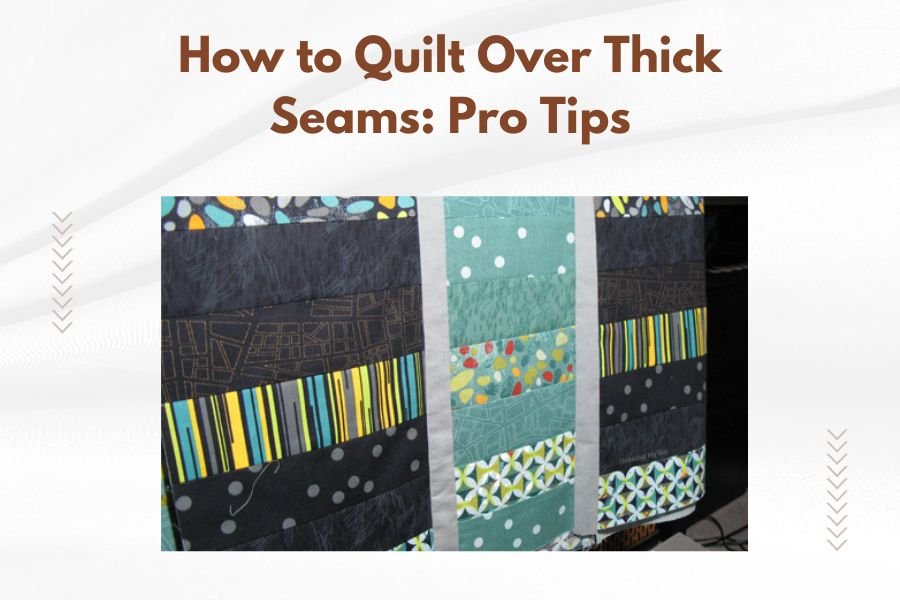
To quilt over thick seams, use a walking foot and reduce presser foot pressure while maintaining steady needle speed.
The key to quilting over thick seams is proper machine preparation and technique adjustments that prevent skipped stitches and puckering.
Why Thick Seams Challenge Your Quilting Machine
Thick seams create uneven surfaces that your quilting machine struggles to handle. When multiple fabric layers meet at seam intersections, you get bulky spots that can jam needles or create uneven stitches.
Your machine’s presser foot tries to maintain consistent pressure across the quilt surface. When it hits a thick seam, the foot tilts and loses contact with surrounding fabric areas.
Essential Tools for Thick Seam Quilting
The right tools make quilting over thick seams much easier. I found that these tools solve most thick seam problems:
- Walking foot or even-feed foot
- Heavy-duty quilting needles (size 90/14 or 100/16)
- High-quality polyester thread
- Seam roller or bone folder
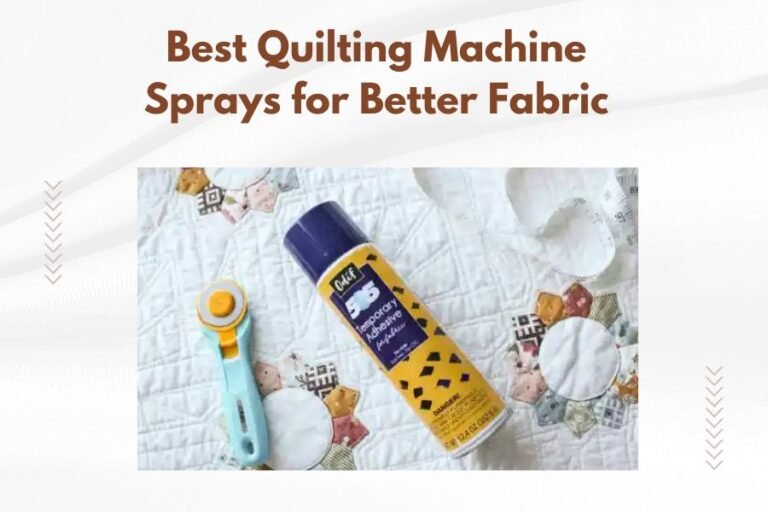
- Spray basting adhesive
Walking Foot Benefits
A walking foot moves your quilt’s top and bottom layers at the same speed. This prevents the top layer from shifting when you hit thick seams.
Many quilting experts recommend walking feet for thick seam areas. The foot’s feed dogs grab fabric from above while your machine’s feed dogs work from below.
Needle Selection Matters
Heavy-duty needles punch through thick seams without bending or breaking. Size 90/14 needles work for most quilts, but extra-thick seams need 100/16 needles.
Sharp needles also create cleaner holes in dense fabric layers. Dull needles push fabric instead of cutting through it.
Machine Settings for Thick Seams
Your quilting machine needs specific adjustments to handle thick seams smoothly. These settings prevent most thick seam problems:
Reduce Presser Foot Pressure
Lower presser foot pressure lets your foot glide over thick seams instead of fighting them. Start with medium pressure and reduce it until fabric feeds smoothly.
Too much pressure compresses thick seams and creates drag. Too little pressure causes loose stitches and fabric shifting.
Adjust Stitch Length
Slightly longer stitches help your machine move through thick areas. Use 2.5-3.0mm stitch length instead of the standard 2.0mm.
Longer stitches reduce the number of needle penetrations through thick spots. This prevents thread breakage and skipped stitches.
Control Your Speed
Slow, steady stitching works better than fast bursts. Maintain consistent speed as you approach and cross thick seams.
Sudden speed changes cause tension problems. Your machine needs time to pull thread through dense fabric layers.
Pre-Quilting Seam Preparation
Preparing thick seams before quilting saves time and prevents problems. These preparation steps make quilting much easier:
Press Seams Properly
Press seam allowances in opposite directions at intersections. This distributes bulk instead of creating thick lumps.
Use a seam roller or bone folder to flatten pressed seams. Steam pressing alone doesn’t always flatten thick seam intersections.
Steam vs. Dry Pressing
Steam pressing works better for natural fibers like cotton. The moisture helps fibers relax and lay flat.
Dry pressing suits synthetic fabrics that might shrink or pucker with steam. Test your fabric first if you’re unsure.
Trim Excess Bulk
Grade seam allowances by trimming them to different lengths. This creates gradual thickness changes instead of abrupt jumps.
Trim the bottom seam allowance shorter than the top one. This reduces bulk while maintaining seam strength.
When to Trim Seams
Trim seams when you have more than four fabric layers at intersections. Six or more layers almost always need trimming.
Leave seams intact if your quilt will get heavy use. Trimmed seams are slightly weaker than full seams.
Quilting Techniques for Thick Seams
Different quilting approaches work better for thick seam areas. Choose techniques that work with your seam layout:
Stitch in the Ditch
Quilting directly in seam lines hides stitches and secures thick areas. This technique works especially well for beginners.
Use your walking foot and follow seam lines carefully. The seam groove guides your needle placement naturally.
Navigating Seam Intersections
Slow down when approaching seam intersections. Stop with your needle down, lift the presser foot, and pivot carefully.
Keep your hands steady as you guide fabric through thick spots. Don’t pull or push the quilt through your machine.
Echo Quilting Around Seams
Quilt parallel lines about 1/4 inch away from thick seams. This avoids thick areas while creating attractive patterns.
Echo quilting works great for geometric quilt blocks with lots of seam intersections. You get consistent quilting without fighting thick spots.
Marking Echo Lines
Use quilting rulers or templates to mark even echo lines. Consistent spacing looks more professional than freehand lines.
Water-soluble markers work well for temporary marking. Test markers on fabric scraps first to ensure easy removal.
Troubleshooting Common Problems
Even with proper preparation, thick seams can cause quilting problems. Here’s how to fix common issues:
Skipped Stitches
Skipped stitches happen when your needle deflects off thick seams. Switch to a heavier needle and reduce stitching speed.
Check that your needle is fully seated in the needle clamp. Loose needles deflect more easily on thick areas.
Thread Tension Issues
Thick seams can cause tension problems that create loose or tight stitches. Adjust your top tension slightly looser for thick areas.
Test tension changes on fabric scraps before quilting your actual project. Small adjustments usually fix tension problems.
Needle Breaking
Broken needles usually mean you’re using the wrong needle size or stitching too fast. Upgrade to heavy-duty needles for thick seams.
Make sure your needle clamp is tight. Loose needles bend and break when they hit thick seam intersections.
Thread Breaking
Thread breaks when it can’t pull through thick fabric layers smoothly. Use high-quality polyester thread that resists breaking.
Check your thread path for snags or rough spots. Smooth thread flow prevents breaks at thick seams.
Alternative Approaches
Sometimes traditional quilting methods don’t work for extremely thick seams. These alternatives might help:
Hand Quilting Thick Areas
Hand quilting gives you complete control over thick seam areas. Use a quilting hoop and take small, even stitches.
Combine machine quilting with hand quilting for best results. Machine quilt easy areas and hand quilt thick intersections.
Tie Quilting
Yarn ties secure quilt layers without stitching through thick seams. Place ties near thick areas but not directly on them.
Tie quilting works well for utility quilts that don’t need dense quilting. It’s faster than traditional quilting methods.
| Problem | Quick Fix | Long-term Solution |
|---|---|---|
| Skipped stitches | Heavier needle, slower speed | Better seam preparation |
| Thread breaking | Quality thread, check tension | Walking foot, proper needles |
| Puckering fabric | Reduce presser foot pressure | Even feed foot, spray basting |
| Uneven stitches | Consistent speed control | Machine maintenance, new needles |
Professional Tips from Experienced Quilters
I found that experienced quilters use several tricks for managing thick seams:
The Seam Allowance Trick
Some quilters reduce seam allowances to 1/8 inch in areas with multiple intersections. This reduces bulk while maintaining adequate seam strength.
Mark seam allowance changes clearly to avoid confusion during assembly. Consistent seam allowances within each section prevent puckering.
Strategic Quilting Planning
Plan your quilting pattern to avoid thick seam intersections when possible. Design quilting lines that flow around problem areas.
Start quilting in the center and work outward. This prevents fabric distortion that makes thick seams even harder to quilt.
Conclusion
Quilting over thick seams doesn’t have to be frustrating. With proper machine setup, good preparation, and the right techniques, you can handle even the thickest seam intersections smoothly.
Remember to use a walking foot, adjust your machine settings, and prepare seams carefully before quilting. These steps prevent most thick seam problems and create better quilting results.
Practice these techniques on sample blocks before working on your finished quilt. Once you master thick seam quilting, you’ll have confidence to tackle any quilting project.
What’s the best needle size for quilting over thick seams?
Use size 90/14 needles for most thick seams, or upgrade to 100/16 needles for extremely thick intersections with six or more fabric layers.
Should I backstitch when quilting over thick seams?
Avoid backstitching directly on thick seams as it adds more bulk. Instead, backstitch just before reaching the thick area and after passing through it.
Can I use regular thread for thick seam quilting?
High-quality polyester thread works better than cotton thread for thick seams because it’s stronger and less likely to break under stress.
How do I prevent my quilt from bunching up at thick seams?
Use spray basting to secure quilt layers and reduce presser foot pressure. A walking foot also helps prevent fabric bunching at thick intersections.
Is it okay to quilt around thick seams instead of over them?
Yes, echo quilting around thick seams is a smart approach that avoids problems while still securing your quilt layers adequately.