To quilt a modern quilt, start with clean lines and simple geometric patterns, then use negative space and bold color blocking to create contemporary appeal.
Modern quilting focuses on minimalist design principles, straight-line quilting, and improvisational piecing techniques that break traditional quilting rules.
What Makes a Quilt Modern
Modern quilts look different from traditional ones. They use lots of white or negative space. The patterns are simple and clean. You’ll see geometric shapes instead of busy, detailed designs.
Colors in modern quilts are either very neutral or very bold. Think black, white, and gray mixed with bright orange or teal. The contrast makes your eye notice the design right away.
Key Design Elements
Modern quilts break the old rules on purpose. You might see blocks that aren’t centered. Borders might be different widths. Some sections might look “wonky” or tilted.
Negative space is your friend. Large areas of solid fabric give your eyes places to rest. They make the patterned areas pop out more.
Planning Your Modern Quilt Design
Start by sketching your ideas on paper. Don’t worry about making it perfect. Modern quilts often look better when they’re a little imperfect.
Pick 3-5 colors maximum. Too many colors make modern quilts look busy. I found that most successful modern quilts stick to a simple color palette.
Choosing Your Layout
Think about what catches your eye first. In modern quilts, this is usually one bold element. Maybe it’s a large triangle in a bright color. Or a strip of patterned fabric running through solid blocks.
Grid layouts work well for beginners. You can make squares or rectangles in different sizes and arrange them in rows. Leave some blocks empty (just solid fabric) to create that negative space.
Scale and Proportion
Modern quilts often mix big and small elements. You might have one huge star next to several tiny squares. This size difference creates visual interest.
Try the 60-40 rule. About 60% of your quilt should be calm areas (solids or simple patterns). The other 40% can be your exciting, eye-catching parts.
Fabric Selection for Modern Quilts
Cotton fabric works best for most quilts. It’s easy to work with and holds its shape well. Look for quilting cotton at fabric stores.
Solid fabrics are the backbone of modern quilting. You’ll use more solids than prints. When you do pick prints, choose ones with simple patterns or geometric shapes.
Color Strategies That Work
Monochromatic schemes use different shades of one color. Think light gray, medium gray, and dark gray with white. These quilts look sophisticated and calm.
High contrast schemes pair opposites. Black and white. Navy and cream. These create drama and make your quilt design stand out.
Adding One Pop Color
Start with neutrals, then add one bright color sparingly. Maybe 10% of your quilt is bright orange, and the rest is white and gray. That orange will steal the show.
Research shows that our eyes are drawn to color contrasts first. This is why the pop color technique works so well in modern quilts.
Cutting and Piecing Techniques
Accurate cutting matters more in modern quilts. Since the designs are simple, crooked cuts really show up. Use a good rotary cutter and ruler.
Cut all pieces for one block at the same time. This keeps your measurements consistent. Stack identical pieces together so you don’t lose them.
Precision vs. Improv Methods
Some modern quilts need perfect precision. Others look better when they’re a bit wonky. Decide which style you want before you start cutting.
For precise quilts, measure twice and cut once. Use a quarter-inch seam allowance exactly. Press every seam as you go.
Improvisational Piecing
Improv piecing means cutting and sewing without exact measurements. You might cut a strip, sew it on, then decide what to cut next.
This technique creates organic, flowing designs. It’s also more forgiving if your measurements aren’t perfect. Many quilters find it less stressful than precise methods.
Modern Quilting Patterns to Try
Log cabin blocks work great for modern quilts. Make them in different sizes or use unusual color placement. Try putting all the light fabrics on one side instead of mixing them.
Half-square triangles are another modern favorite. You can arrange them in countless ways to create different patterns and movement.
Geometric Shapes
Large triangles make bold statements. Cut big triangles from solid fabric and pair them with smaller pieced sections.
Hexagons aren’t just for grandma’s flower garden anymore. Use them in modern colors with lots of negative space around them.
Strip and Slice Techniques
Sew strips of different fabrics together, then cut them apart and rearrange them. This creates interesting patterns with minimal effort.
Try making strips different widths. Narrow strips create texture, while wide strips make bold statements.
Quilting Your Modern Quilt
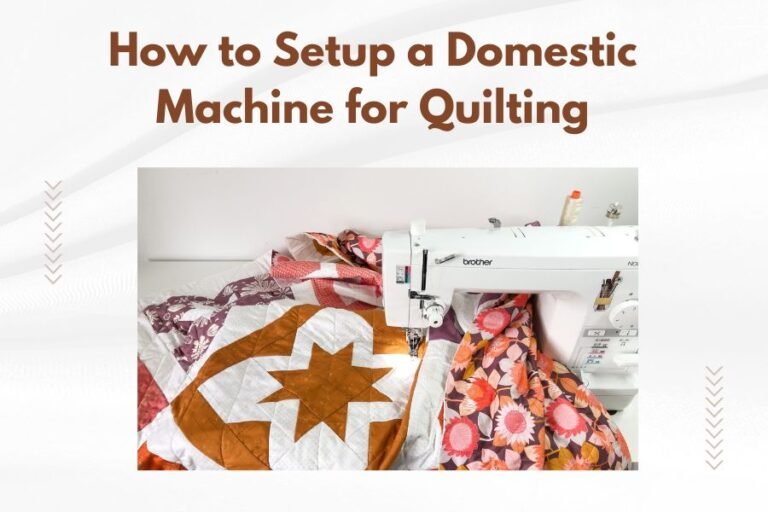
Modern quilts often use simple quilting patterns. Straight lines are very popular. You can quilt them with a walking foot on your regular sewing machine.
Don’t feel like you need to quilt every inch. Modern quilts can have areas with no quilting at all, or very minimal quilting.
Straight Line Quilting
Parallel lines create texture without competing with your piecing. Space them evenly, about 1-2 inches apart.
Try diagonal lines instead of horizontal ones. They add movement and energy to your quilt. Use painter’s tape as a guide to keep your lines straight.
Echo Quilting
Echo quilting follows the shape of your pieced elements. If you have a triangle, you quilt around it in larger and larger triangles.
This technique makes your shapes appear to float off the quilt surface. It’s especially effective in negative space areas.
Free Motion Options
Free motion quilting gives you more flexibility. You can create organic shapes or detailed patterns. It takes practice, but it’s worth learning.
Start with simple shapes like loops or spirals. Practice on scraps before working on your real quilt.
| Quilting Style | Difficulty | Best For |
|---|---|---|
| Straight Lines | Beginner | Geometric designs |
| Echo Quilting | Intermediate | Highlighting shapes |
| Free Motion | Advanced | Custom designs |
Binding and Finishing
Modern quilts often use contrasting binding. If your quilt is mostly white, try black binding. It frames the quilt like a picture frame.
Cut your binding strips 2.5 inches wide. This gives you enough fabric to wrap around the edges nicely. Join strips with diagonal seams to reduce bulk.
Alternative Finishing Methods
Some modern quilters skip binding altogether. They use a technique called “pillowcase finishing” where the edges are sewn and turned like a pillowcase.
Faced edges are another modern option. You sew a strip of fabric to the front, then fold it to the back. This creates a very clean, minimal edge.
Common Modern Quilting Mistakes
Too much pattern is the biggest mistake I see. Modern quilts work best when you edit your design. Take out elements that don’t add to the overall look.
Using too many colors also weakens modern designs. When everything is bright and busy, nothing stands out. Stick to your color plan.
Proportion Problems
Make sure your design elements relate to each other in size. Tiny blocks next to medium blocks usually work. Tiny blocks next to huge blocks can look awkward.
Step back from your design often. What looks good up close might not work from across the room.
Troubleshooting Tips
If your quilt looks boring, try adding one contrasting element. Maybe a single block in a different color or pattern.
If it looks too busy, take something away. Cover different sections with paper to see how the quilt looks with less pattern.
Fixing Design Issues
Wonky seams can actually improve modern quilts. Don’t stress if everything isn’t perfectly aligned. Sometimes the “mistakes” make the best design features.
If colors aren’t working together, try adding more neutral space between them. White or gray fabric can separate colors that clash.
Conclusion
Modern quilting is about embracing simplicity and making bold choices with color and design. You don’t need complex patterns or perfect stitching to create stunning quilts. Focus on clean lines, thoughtful color choices, and plenty of negative space. Remember that modern quilts break traditional rules, so don’t be afraid to try something different. Start with simple geometric shapes and basic straight-line quilting, then experiment as you gain confidence. Your modern quilt will reflect your personal style while following these timeless design principles that make contemporary quilts so appealing.
What’s the difference between modern and contemporary quilting?
Modern quilting refers to a specific movement that started in the early 2000s, focusing on minimalist design, negative space, and breaking traditional rules. Contemporary quilting simply means quilts made in the current time period and can include any style or technique being used today.
Do I need a special sewing machine for modern quilting?
No, you can create modern quilts with any sewing machine that makes a good straight stitch. A walking foot helps with straight-line quilting, and a free-motion foot is useful for curved designs, but these are attachments you can add to most machines.
How much negative space should a modern quilt have?
There’s no strict rule, but most successful modern quilts have at least 40-60% negative space. This gives your eyes places to rest and makes the designed areas more impactful. Start with more negative space rather than less – you can always add more elements later.
Can I use traditional quilt blocks in modern designs?
Yes, many traditional blocks work beautifully in modern quilts when you change the scale, colors, or layout. Try making log cabin blocks in unusual sizes, or use half-square triangles in contemporary color combinations with lots of surrounding negative space.
What’s the best size for a first modern quilt?
Start with a baby quilt or wall hanging around 40 inches square. This size is manageable to quilt on a regular sewing machine and lets you finish your project quickly. You can always make larger quilts once you’re comfortable with modern design principles.