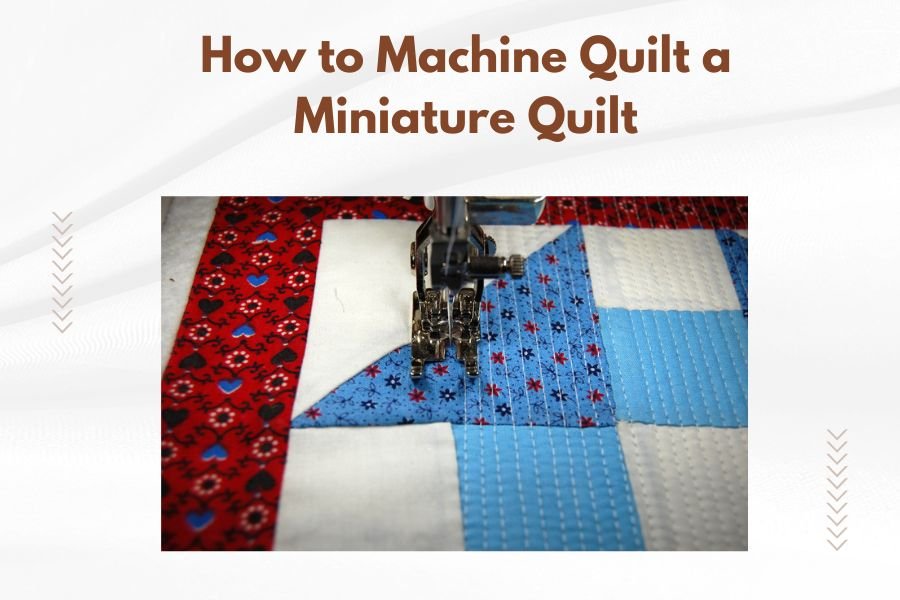
Machine quilting a miniature quilt requires using a shorter stitch length, reducing thread tension, and choosing lightweight batting to maintain proper scale and prevent puckering.
The key to successful miniature quilt machine quilting is working slowly with precise control, using a walking foot or free-motion quilting foot designed for detailed work.
What Makes Miniature Quilt Machine Quilting Different
You might think quilting a tiny quilt works just like quilting a big one. Think again. When you’re working with pieces smaller than 12 inches, everything changes.
Your regular quilting settings won’t work here. The fabric moves differently. Your stitches look bigger. Even your thread choice matters more than usual.
Scale Changes Everything
Picture this: a stitch that looks perfect on a bed-sized quilt suddenly looks like giant footprints on a dollhouse quilt. That’s because miniature quilts show every detail.
I found through research that quilters often struggle with this scale issue. What works for large quilts can overpower tiny ones.
Essential Tools for Miniature Quilt Machine Quilting
The Right Sewing Machine Setup
Your machine needs specific adjustments for miniature work. You can’t just shrink your regular approach and expect good results.
Presser Foot Selection
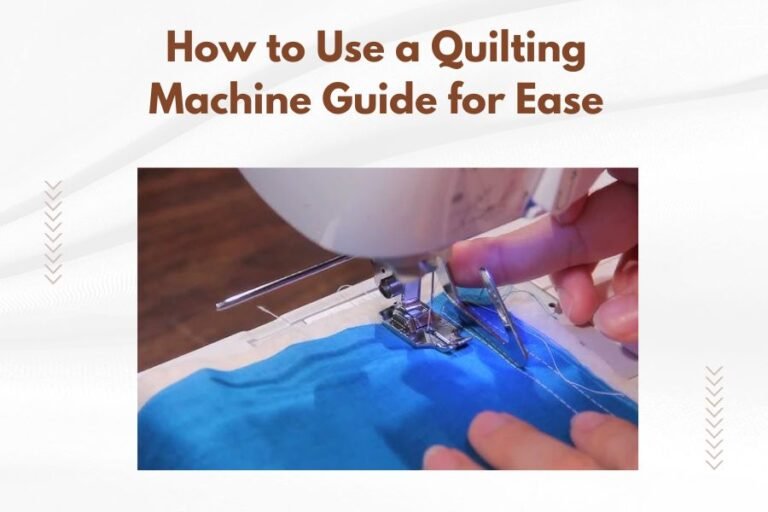
Use a walking foot for straight-line quilting. It feeds all layers evenly without shifting. For curved designs, switch to a darning foot or free-motion quilting foot.
Some quilting experts recommend using a quarter-inch foot for better visibility. You can see exactly where your stitches go.
Needle and Thread Combinations
Choose a size 70/10 or 80/12 needle. Larger needles create holes that show too much on miniature quilts.
For thread, stick with 50-weight cotton or polyester. Thicker threads look bulky on small quilts. Thinner threads might break under tension.
Batting Choices That Work
Regular batting is often too thick for miniature quilts. You need something that won’t add bulk.
- Cotton flannel makes excellent batting for mini quilts
- Thin polyester batting (less than 1/8 inch) works well
- Some quilters skip batting entirely and use muslin backing
Setting Up Your Machine for Success
Tension Adjustments
Lower your tension slightly from normal settings. Miniature quilts use less fabric, so standard tension can pucker the layers.
Start with your normal tension and reduce it by one number. Test on scraps first. You want smooth stitches that don’t pull the fabric.
Stitch Length Settings
Reduce your stitch length to match the quilt’s scale. Where you might use 10-12 stitches per inch on large quilts, try 12-16 stitches per inch on miniatures.
Research from quilting guilds shows that smaller stitches look more proportional on tiny quilts.
Finding Your Sweet Spot
Test different stitch lengths on practice pieces. What looks right to your eye? That’s more important than following exact measurements.
Step-by-Step Machine Quilting Process
Preparing Your Quilt Sandwich
Layer your quilt top, batting, and backing just like a full-size quilt. But here’s where technique matters more.
Basting for Small Quilts
You have several basting options for miniature quilts:
- Safety pins work but can get in your way
- Spray basting gives smooth results without pins
- Hand basting with large stitches lets you control everything
I found that spray basting works best for most quilters. It’s quick and doesn’t create bumps under your presser foot.
Quilting Pattern Selection
Simple patterns work better than complex ones on miniature quilts. Your beautiful feather design might just look like squiggles at this size.
Straight Line Quilting
Start with straight lines. They’re easier to control and look clean on small quilts.
Try these simple patterns first:
- Echo quilting around appliqué shapes
- Grid patterns with 1/4 or 1/2 inch spacing
- Simple diagonal lines
Free Motion Options
Once you’re comfortable, try small-scale free-motion designs. Keep them simple. Think pebbles, small flowers, or tiny spirals.
Common Mistakes and How to Avoid Them
Thread Tension Problems
Too much tension creates puckering. Too little tension makes loose, messy stitches. Finding the right balance takes practice.
Make test sandwiches with your actual fabrics. Don’t assume tension settings will work the same with different materials.
Handling Tiny Pieces
Small quilts want to bunch up under your machine. They don’t have enough weight to stay flat.
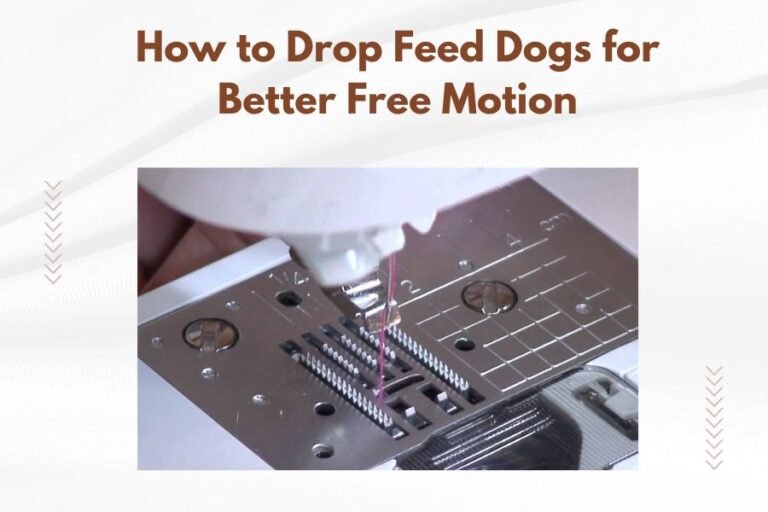
Keep your hands near the quilt but don’t pull. Guide the fabric gently. Let the feed dogs do their work.
Supporting the Weight
Even though miniature quilts are small, they still need support. Use a table extension or put a small table next to your machine.
Advanced Techniques for Better Results
Edge-to-Edge Quilting
Start quilting from one edge and work across systematically. This prevents distortion better than jumping around.
Roll or fold the quilt as you work, just like with larger quilts. Keep the working area flat and supported.
Binding Considerations
Plan your quilting pattern around your binding method. Dense quilting near edges makes binding harder to attach evenly.
Leave about 1/4 inch of less dense quilting around the perimeter. This gives you room to work when adding binding.
Troubleshooting Common Issues
Puckering and Bunching
If your quilt puckers during quilting, stop immediately. Check these things:
- Is your tension too tight?
- Are you pulling the fabric?
- Is your batting too thick?
- Did you baste evenly?
Thread Breaking
Thread breaks happen more often with miniature quilts because of the detailed work. Check your needle first. Dull needles cause most thread breaks.
Also check your thread path. Make sure thread flows smoothly from spool to needle without catching anywhere.
Speed Control
Slow down your stitching speed. Fast stitching can stress thread and cause breaks. Miniature quilting needs patience anyway.
Finishing Touches
Thread Burial
Bury thread tails carefully on miniature quilts. They show more than on larger pieces.
Use a small needle to pull threads to the back. Tie tiny knots and bury them in the batting layer.
Pressing After Quilting
Press your finished miniature quilt gently. Use a pressing cloth to protect delicate stitching.
Don’t use heavy steam. Light pressing helps the quilting settle without flattening the texture completely.
| Quilt Size | Recommended Stitch Length | Best Batting Thickness | Needle Size |
|---|---|---|---|
| 6 inches or smaller | 16-18 per inch | Very thin or flannel | 70/10 |
| 6-12 inches | 12-16 per inch | 1/8 inch or less | 70/10 or 80/12 |
| 12-18 inches | 10-14 per inch | 1/4 inch maximum | 80/12 |
Conclusion
Machine quilting miniature quilts takes patience and different techniques than regular quilting. You need lighter tension, shorter stitches, and thinner batting to get professional results.
Start with simple straight-line patterns before trying complex designs. Practice on scraps first to find the right settings for your machine and materials.
Remember that every detail shows more on small quilts. Take your time and focus on consistent, even stitching. With practice, you’ll create beautiful miniature quilts that showcase your machine quilting skills perfectly.
What’s the best batting for miniature quilts under 6 inches?
Cotton flannel works best for very small quilts under 6 inches. It provides just enough loft without adding bulk, and it’s easy to machine quilt with good stitch definition.
Can I use regular quilting thread on miniature quilts?
Yes, but stick to 50-weight thread or thinner. Regular 40-weight thread looks too heavy and bulky on small quilts. Cotton or polyester both work well in 50-weight.
Should I hand quilt or machine quilt my miniature quilt?
Both methods work, but machine quilting is often easier for beginners. You can control stitch length precisely and work faster. Hand quilting gives a traditional look but takes much longer.
How do I prevent my miniature quilt from puckering during machine quilting?
Lower your thread tension slightly, use thin batting, and baste thoroughly before quilting. Work slowly and don’t pull the fabric through the machine – let the feed dogs move it naturally.
What’s the smallest size I can successfully machine quilt?
You can machine quilt pieces as small as 3-4 inches square with practice. Smaller than that becomes difficult to handle under most domestic sewing machines. Consider hand quilting for pieces under 3 inches.