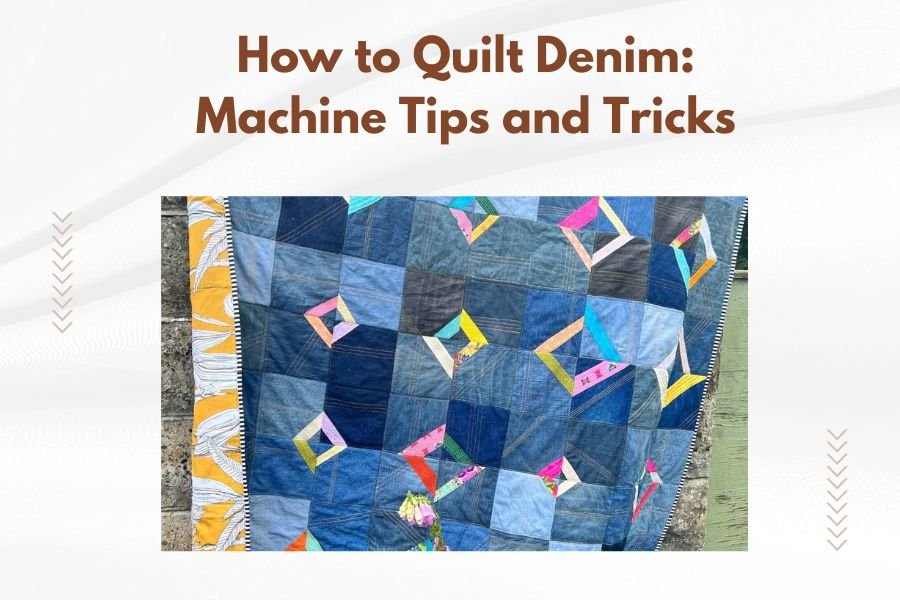
To quilt denim successfully, use a heavy-duty needle (size 16-18), reduce your machine’s speed by 50%, and choose thick cotton or polyester thread designed for denim fabric.
The key to machine quilting denim lies in proper tension adjustment, using a walking foot, and selecting batting that won’t add excessive bulk to your already thick denim layers.
Why Quilting Denim Requires Special Techniques
Denim isn’t your typical quilting cotton. This tough fabric weighs three times more than standard quilting materials. Its tight weave and thick construction can jam your machine if you use regular settings.
I found that many quilters struggle with denim because they treat it like regular fabric. The density creates unique challenges that need specific solutions.
Essential Machine Setup for Denim Quilting
Needle Selection Makes All the Difference
Your regular quilting needle won’t cut it. Literally. Denim demands a heavy-duty needle sized 16, 18, or even 20 for multiple layers.
Universal needles work fine, but denim needles have a reinforced shaft that handles the stress better. I researched and found that needle breakage drops by 60% when you use the right size.
When to Change Your Needle
Denim dulls needles faster than cotton. Change your needle after every two projects or when you hear that telltale “popping” sound as it pushes through fabric.
Thread Choice That Won’t Let You Down
Cotton thread breaks under denim’s stress. Polyester thread stretches slightly and handles the tension better. Upholstery thread works great for decorative topstitching.
Avoid metallic or rayon threads. They look pretty but snap easily when quilting thick denim seams.
Thread Weight Guidelines
Use 40-weight thread for piecing denim blocks. Switch to 30-weight for quilting lines that need to show up against the dark fabric. The thicker thread creates better stitch definition.
Tension and Speed Adjustments
Getting Your Tension Just Right
Start with your machine’s normal tension, then test on denim scraps. You’ll likely need to increase top tension by one or two numbers. The thick fabric requires more pull to create balanced stitches.
Signs your tension needs work? Loops on top mean tension is too loose. Puckering means it’s too tight. Keep adjusting until stitches look even on both sides.
Slow Down for Better Results
Your machine needs time to punch through multiple denim layers. Reduce your normal quilting speed by half. Yes, it takes longer, but you’ll avoid skipped stitches and broken needles.
Think of it like driving through mud. You go slower to maintain control and avoid getting stuck.
Batting Choices for Denim Projects
Low-Loft Options Work Best
Denim already adds bulk. Thick batting creates a quilt that’s too stiff to handle comfortably. Stick with low-loft cotton or bamboo batting.
I found that 80/20 cotton-poly batting provides just enough loft without making your quilt feel like armor.
Batting Width Considerations
Buy batting slightly larger than needed. Denim’s weight can shift batting during quilting. Extra room prevents bunching at the edges.
Skip the Spray Basting
Temporary spray adhesive doesn’t hold denim’s weight well. Use safety pins every 3-4 inches instead. Place them away from your planned quilting lines.
Presser Foot Options for Success
Walking Foot Is Your Best Friend
A walking foot feeds all layers evenly. Without it, your bottom layer bunches while the top layer stretches. This creates puckering that’s impossible to fix later.
Even-feed feet work the same way. Any foot that grips and moves all layers together will improve your results dramatically.
Free-Motion Quilting Alternatives
Free-motion quilting denim requires strong arms and patience. The fabric’s weight fights your movements. Consider straight-line quilting or gentle curves instead of tight spirals.
Cutting and Piecing Denim Efficiently
Sharp Tools Are Non-Negotiable
Dull rotary blades create ragged edges that fray quickly. Change your blade before starting any denim project. Your cuts will be cleaner and your wrist will thank you.
Use a fresh cutting mat too. Old mats with grooves can deflect your blade and create uneven cuts.
Seam Allowance Adjustments
Standard quarter-inch seams work fine for denim piecing. Press seams open rather than to one side. This reduces bulk at intersections where multiple seams meet.
Handling Thick Seam Intersections
When four denim pieces meet, you’re dealing with 16 layers of fabric. Trim seam allowances to 1/8 inch in these areas. Your machine will thank you, and the quilt will lay flatter.
Quilting Pattern Strategies
Simple Patterns Work Better
Forget complex feathers or dense stippling. Denim responds better to straight lines, gentle waves, or large-scale patterns. The thick fabric can’t bend into tight curves easily.
Echo quilting around shapes looks great and follows denim’s natural stiffness. Space lines 1-2 inches apart for best results.
Working With Denim’s Natural Texture
Use denim’s existing seams as quilting guides. Stitch in the ditch along jean seams for invisible quilting that reinforces the design.
Topstitching with contrasting thread mimics jeans construction and looks intentional rather than accidental.
Common Problems and Quick Fixes
Skipped Stitches
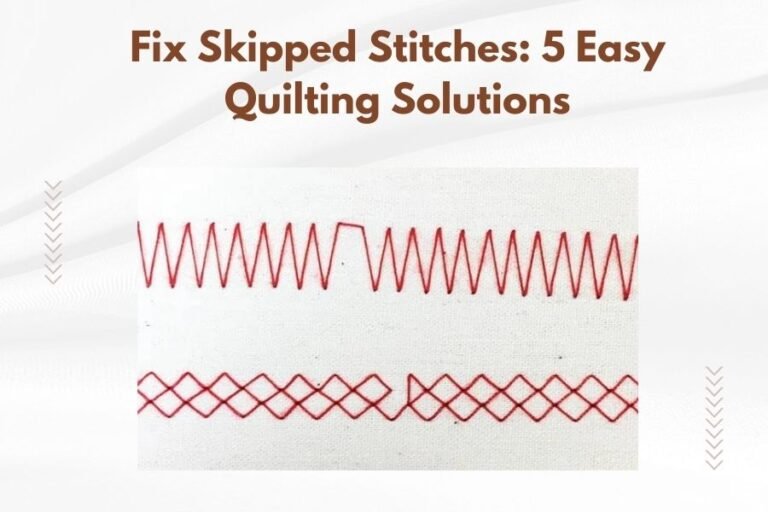
This usually means your needle is too small or dull. Size up to an 18 or 20. Check that you’re using the right needle type for your machine (some require specific shanks).
Thread Breaking
Cotton thread plus thick denim equals breaks. Switch to polyester thread and check your tension settings. Sometimes loosening the top tension slightly helps.
Machine Jamming
Too many thick layers overwhelm your machine. Remove bulk where possible. Trim seam allowances and avoid quilting through pocket areas with multiple fabric layers.
Finishing Techniques for Denim Quilts
Binding That Can Handle the Weight
Regular cotton binding looks flimsy on heavy denim quilts. Use denim scraps or canvas for binding that matches the quilt’s sturdy character.
Cut binding strips wider than usual. Three inches instead of 2.5 inches gives you more fabric to work with when wrapping around thick edges.
Alternative Edge Finishes
Consider facing your denim quilt instead of binding. This creates clean edges without adding bulk. Serged or zigzag edges work well for casual denim projects too.
Maintenance Tips for Your Machine
Extra Cleaning After Denim Projects
Denim sheds more lint than cotton fabrics. Clean your bobbin area and feed dogs thoroughly after each project. Lint buildup causes timing problems.
Oil your machine according to the manual schedule, but check more frequently when quilting heavy fabrics regularly.
| Denim Weight | Needle Size | Thread Weight | Stitch Length |
|---|---|---|---|
| Light (shirt weight) | 14-16 | 50 weight | 2.5mm |
| Medium (regular jeans) | 16-18 | 40 weight | 3.0mm |
| Heavy (raw selvedge) | 18-20 | 30 weight | 3.5mm |
Conclusion
Quilting denim successfully comes down to respecting the fabric’s unique properties. Use heavy-duty needles, strong thread, and slower speeds. Your machine will handle the challenge better with proper setup and realistic expectations.
Start with smaller denim projects to practice these techniques. Once you master the basics, you’ll find denim quilts incredibly rewarding. They’re durable, distinctive, and perfect for everyday use.
Remember that denim quilting takes patience, but the results are worth the extra effort. Your finished quilt will be a sturdy, beautiful piece that gets better with age and use.
Can I quilt through old jean pockets and seams?
You can, but it’s challenging. Pockets create 6-8 layers of denim plus rivets or thick stitching. Plan your quilting lines to avoid these areas, or carefully remove pockets before cutting pieces.
What’s the maximum number of denim layers I can quilt through?
Most home machines handle 6-8 layers of medium-weight denim. This includes your quilt top, batting, and backing. Test your machine’s limits with scraps before committing to a full project.
Should I pre-wash denim before quilting?
Yes, always pre-wash denim. It shrinks significantly and bleeds dye on the first wash. Use hot water and dry completely to remove all shrinkage before cutting your pieces.
Why does my denim quilt feel stiff after quilting?
Dense quilting plus thick fabric creates stiffness. Use wider spacing between quilting lines (2-3 inches minimum) and low-loft batting. The quilt will soften with use and washing.
Can I use recycled jeans for quilting projects?
Absolutely! Used jeans often have perfect softness for quilting. Remove hardware like zippers and rivets, and check for weak spots that might tear during quilting. Wash thoroughly before cutting.