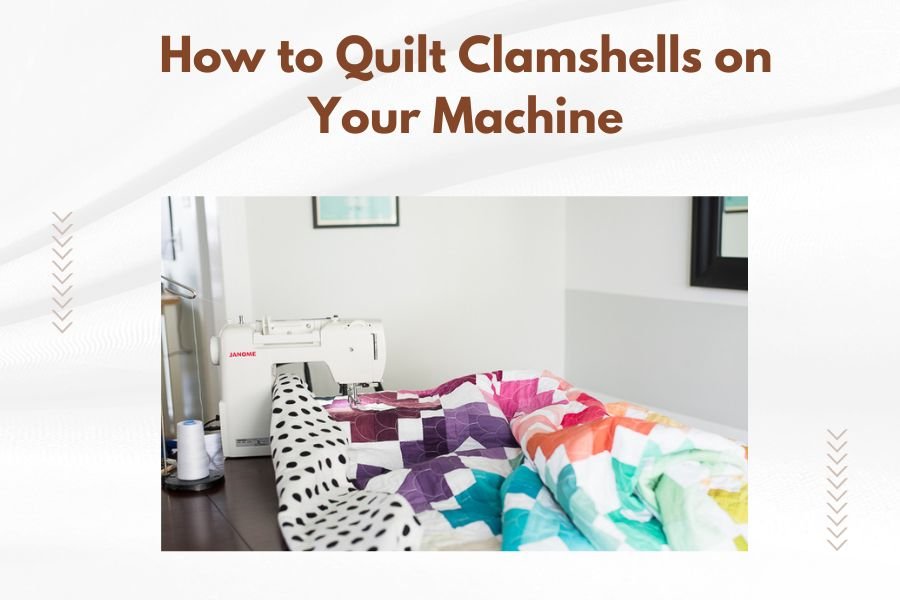
You can quilt clamshells on your machine by using the right presser foot, adjusting your stitch length to 2.5-3.0mm, and following a consistent curved stitching pattern that mimics the shell’s natural arc.
The key to machine quilting clamshells lies in proper fabric preparation, using quilting templates or guides, and maintaining steady hand movement while letting the machine do most of the work.
Want to create those gorgeous overlapping shell patterns without spending hours hand-quilting? Machine quilting clamshells might seem tricky at first, but it’s totally doable once you know the right techniques.
I’ve researched this topic extensively and found that many quilters avoid clamshell patterns because they think machine quilting can’t capture that flowing, organic look. That’s just not true anymore.
What Makes Clamshell Quilting Special
Clamshell quilting creates overlapping semi-circular patterns that look like fish scales or seashells. The design flows across your quilt in gentle waves.
This pattern works beautifully on whole cloth quilts, as background fill, or as an accent design. The curved lines add movement and texture that straight-line quilting just can’t match.
Essential Tools for Machine Quilting Clamshells
You don’t need fancy equipment, but the right tools make a huge difference. Here’s what I found works best:
Presser Feet Options
- Free-motion quilting foot (darning foot)
- Open-toe embroidery foot
- Walking foot with quilting guide
The free-motion foot gives you the most control for curved stitching. Many experts recommend starting with this option.
Templates and Guides
Clamshell quilting templates help keep your curves consistent. You can buy acrylic templates or make your own from cardboard.
Some quilters use masking tape to mark their curves. Others prefer water-soluble marking pens.
Thread Selection
Cotton thread works great for most projects. Polyester thread adds strength but can be trickier to work with.
Choose thread that matches your fabric or go one shade lighter. High contrast thread shows every wobble, so save that for when you’re more confident.
Setting Up Your Machine
Stitch Settings
Set your stitch length between 2.5-3.0mm. This gives you good coverage without making the fabric too stiff.
Lower your feed dogs if you’re using a free-motion foot. Keep them up for walking foot quilting.
Tension Adjustments
Start with your normal tension settings. You might need to lower the top tension slightly if you see bobbin thread on top.
Test on a sample sandwich first. Don’t skip this step – it saves headaches later.
Speed Control
Slow and steady wins the race here. Set your machine to a medium speed or use the speed control slider.
Consistent speed gives you consistent stitches. Racing through curves usually creates uneven results.
Preparing Your Quilt Sandwich
Basting Methods
Pin basting works fine for smaller projects. Safety pins every 4-6 inches should do it.
Spray basting is faster and creates fewer bumps under your machine. Just work in a well-ventilated area.
Marking Your Pattern
Start by marking your first row of clamshells across the top of your quilt. Each shell should be about 3-4 inches wide.
The second row nestles into the curves of the first row, like roof shingles. Mark just a few rows ahead – you’ll get the hang of eyeballing the spacing.
Step-by-Step Machine Quilting Process
Starting Your First Row
Begin at one edge and work your way across. Start stitching at the bottom left of your first shell curve.
Move the fabric smoothly while keeping steady pressure on the pedal. Think of drawing with your sewing machine.
Creating Consistent Curves
The secret is moving your hands and the fabric together. Your hands guide the fabric while the needle follows the marked line.
Don’t jerk or stop suddenly. Smooth, flowing movements create smooth, flowing curves.
Managing Direction Changes
At the end of each shell, you’ll need to pivot and start the next curve. Stop with your needle down, lift the presser foot, and adjust your fabric position.
Maintaining Consistent Size
Keep your shells roughly the same width. Small variations look natural, but big differences will stick out.
I found that most quilters aim for shells between 2.5-4 inches wide. Pick a size that feels comfortable for your machine and skill level.
Adding Subsequent Rows
The second row is where clamshell patterns get their magic. Each new shell should nestle between two shells from the previous row.
Start the second row about halfway down from the first row. This creates that overlapping scale effect.
Troubleshooting Common Issues
Uneven Stitches
This usually happens when you move the fabric too fast or too slow compared to your machine speed. Practice finding that sweet spot on scraps first.
Puckering Fabric
Too much tension or pulling the fabric can cause puckers. Let the machine move the fabric naturally.
Check your sandwich too – insufficient basting causes fabric to bunch up.
Wonky Curves
Everyone’s first attempts look a bit wonky. That’s totally normal. Focus on smooth, consistent movement rather than perfect curves.
Remember, handmade items should look handmade. Slight imperfections add character.
Different Clamshell Variations
Traditional Overlapping Shells
This is the classic pattern where each row overlaps the previous one by about half.
Echo Clamshells
Add 2-3 echo lines inside each shell for extra texture. Space them about 1/4 inch apart.
Double-Line Clamshells
Stitch each curve twice, spacing the lines about 1/8 inch apart. This creates a bolder, more defined look.
Tips for Success
Practice First
Make practice sandwiches with scrap fabric. Try different threads, tensions, and speeds to see what works best.
Take Breaks
Your hands and eyes get tired. Take breaks every 30-45 minutes to stay sharp.
Work in Sections
Don’t try to quilt your whole project in one session. Break it into manageable sections.
Managing Large Quilts
Roll up the sides of large quilts to fit them through your machine. Use binder clips to keep the rolls tight.
Planning Your Route
Think about how you’ll move from one section to another. Sometimes you can travel along seam lines to avoid starting and stopping constantly.
Finishing Touches
Thread Management
Bury your thread tails or tie them off securely. Loose threads can unravel over time.
Pressing After Quilting
A light press can help your clamshells lay flat. Use a pressing cloth and be gentle – you don’t want to flatten the texture completely.
When to Choose Machine vs Hand Quilting
Machine quilting works great for everyday quilts, baby quilts, and projects you want to finish quickly.
Hand quilting might be better for heirloom pieces or when you want that ultra-traditional look. Both methods create beautiful results.
Conclusion
Machine quilting clamshells takes practice, but it’s absolutely worth learning. You’ll create gorgeous texture and movement that makes any quilt special.
Start with small practice pieces, get your machine settings dialed in, and don’t worry about perfection. Every quilter started somewhere, and your skills will improve with each project.
The most important thing is to enjoy the process. There’s something deeply satisfying about watching those flowing curves come together under your needle.
Can I quilt clamshells with a regular sewing machine?
Yes, any sewing machine can handle clamshell quilting. You don’t need a specialized quilting machine, though a larger throat space makes maneuvering easier on big projects.
How do I keep my clamshell rows straight?
Use a quilting ruler or masking tape to mark horizontal guide lines across your quilt. This helps keep each row level and evenly spaced from the previous row.
What’s the best batting for machine-quilted clamshells?
Low-loft cotton or cotton-poly blend batting works best. High-loft batting can be harder to maneuver through curves and may cause skipped stitches.
How far apart should I space my clamshell quilting lines?
Most batting manufacturers recommend quilting lines every 3-4 inches maximum. Clamshell patterns naturally fall within this range, making them perfect for structural quilting.
Should I start quilting clamshells from the center or edge?
Start from one edge and work systematically across the quilt. Starting from the center can create fabric distortion that’s hard to fix as you work outward.