The best quilting screwdriver has a magnetic tip, comfortable grip, and precision shaft that won’t slip during delicate adjustments on your machine.
You need the right size (usually Phillips #1 or #2), proper handle length for leverage, and quality construction to avoid damaging expensive quilting machine parts.
What Makes a Quilting Screwdriver Different
Regular screwdrivers can damage your quilting machine. Think of it like using a butter knife to perform surgery. Sure, it might work, but the results won’t be pretty.
Quilting machines need gentle precision. Their screws are often in tight spaces. The tension plates are delicate. One wrong move can cost you hundreds in repairs.
I found that most quilting machine manufacturers recommend specific screwdriver types. Brother suggests using only magnetized tools. Janome warns against oversized handles that bump into machine parts.
Essential Features to Look For
Your quilting screwdriver needs five key features to work properly. Miss any of these, and you’re asking for trouble.
Magnetic Tip Technology
A magnetic tip holds tiny screws securely. Without it, you’ll drop screws into your machine’s internal mechanisms. Ever tried fishing a screw out of a quilting machine? It’s not fun.
The magnetism should be strong enough to grip but gentle enough to release easily. Too strong, and it attracts metal shavings that can jam your machine.
Precision Shaft Design
The shaft needs perfect fit and finish. Rough edges strip screw heads. Too much play creates wobbling that rounds off delicate adjustment screws.
Look for hardened steel construction. Cheap metal wears down quickly and loses its precise fit.
Comfortable Handle Size
Your handle should fit your hand naturally. Too big, and it won’t fit in tight spaces around your machine. Too small, and you can’t apply proper torque.
Many quilters prefer rubberized grips that won’t slip when your hands get sweaty during long maintenance sessions.
Size Requirements for Different Machines
Not all quilting machines use the same screw sizes. Getting this wrong means you can’t do basic maintenance on your own equipment.
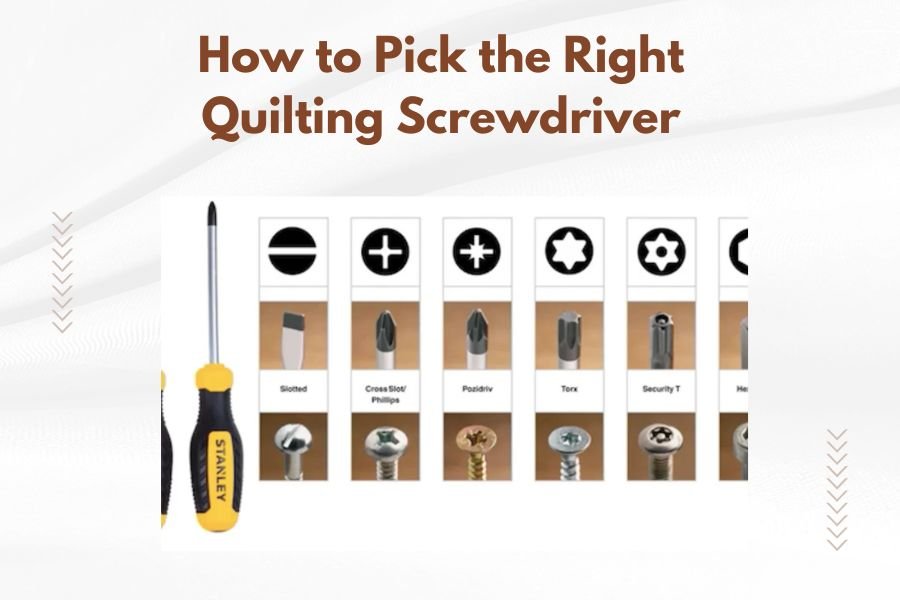
Phillips Head Sizes
Most domestic quilting machines use Phillips #1 or #2 screws. Industrial machines often need #2 or #3 sizes.
Here’s what I found works for popular brands:
- Brother quilting machines: Phillips #1 for tension, #2 for housing
- Janome models: Mostly #2, with some #1 for delicate parts
- Singer quilting machines: #2 is standard across most models
- Babylock longarms: Mix of #1 and #2, depending on the component
Flathead Requirements
Some older machines and specialty adjustments need flathead screwdrivers. Common sizes are 1/8 inch and 3/16 inch blade widths.
The blade should be thin enough to fit the screw slot without damaging surrounding surfaces.
Handle Length Considerations
Handle length affects both leverage and accessibility. It’s a balancing act between power and precision.
Short Handles (3-4 inches)
Short handles work well in cramped spaces. You can reach screws near the needle bar or inside the bobbin case area.
They give you better feel and control for delicate adjustments. The downside? Less torque for stubborn screws.
Medium Handles (5-6 inches)
Medium handles offer the best compromise for most quilters. You get decent leverage without losing precision.
These work for 90% of quilting machine maintenance tasks. I found this size fits most storage cases too.
Long Handles (7+ inches)
Long handles provide maximum torque for tight screws. But they’re awkward in confined spaces around your machine.
Save these for major disassembly work or stubborn screws that won’t budge with shorter tools.
Material Quality Factors
Cheap screwdrivers cost more in the long run. They wear out quickly and can damage your expensive quilting machine.
Steel Grade Matters
Look for chrome vanadium steel or similar high-grade alloys. These materials resist wear and maintain their shape under stress.
Avoid basic carbon steel tools. They’re soft and wear down quickly, especially the tips.
Surface Treatments
Quality screwdrivers have protective coatings. Chrome plating resists corrosion and provides smooth operation.
Some premium tools use titanium coatings for extra durability and reduced friction.
Brand Recommendations
Certain brands consistently make reliable quilting screwdrivers. I researched user reviews and expert recommendations to find the best options.
Professional Grade Options
Wiha and Wera make precision screwdrivers that quilting technicians prefer. They’re pricey but built to last decades.
Klein Tools offers good quality at lower prices. Their magnetic tips are particularly well-regarded.
Budget-Friendly Choices
Craftsman and Stanley make decent quilting screwdrivers without breaking the bank. They’re not as precise as premium brands but work fine for occasional use.
Harbor Freight tools can work in a pinch, but don’t expect long-term durability.
Special Features That Help
Some screwdrivers have extra features that make quilting machine work easier. These aren’t essential but can be helpful.
Rotating End Caps
These let you apply downward pressure while turning the shaft. Great for stubborn screws that need extra force.
Flexible Shafts
Some screwdrivers have flexible sections that bend around obstacles. Useful for reaching screws behind machine components.
LED Lights
Built-in lights illuminate dark spaces inside your quilting machine. Battery-powered versions work best.
Common Mistakes to Avoid
Even good screwdrivers can cause problems if used incorrectly. Here’s what not to do.
Using Wrong Size Tips
Forcing a #2 Phillips into a #1 screw strips the head. Always match tip size exactly to the screw.
When in doubt, try the smaller size first. It’s easier to go up than to fix a damaged screw head.
Applying Too Much Force
Quilting machine screws don’t need gorilla strength. Most should turn easily with light pressure.
If a screw won’t budge, stop and figure out why. You might have the wrong size tool or there could be thread locker applied.
Ignoring Magnetic Debris
Magnetic tips pick up metal shavings and debris. Clean them regularly to avoid transferring junk into your machine.
A quick wipe with a clean cloth after each use keeps your tools ready for precision work.
Maintenance and Storage
Good screwdrivers last longer with proper care. A few simple steps keep them working like new.
Cleaning Procedures
Wipe down your screwdrivers after each use. Oil residue from your quilting machine can attract lint and debris.
Use denatured alcohol on a clean cloth to remove stubborn residue. Avoid harsh solvents that might damage handle materials.
Storage Solutions
Store screwdrivers in a dedicated toolbox or drawer organizer. This protects the tips and keeps them organized.
Magnetic tool strips work well but can demagnetize your screwdrivers over time. Use sparingly.
When to Replace Your Tools
Even quality screwdrivers wear out eventually. Know when it’s time for replacements.
Worn Tip Signs
Rounded or chipped tips slip out of screws. If you notice slipping, inspect the tip closely.
Minor wear is normal, but significant rounding means replacement time.
Handle Problems
Loose or cracked handles make precision work difficult. Don’t try to repair them – just replace the tool.
Slippery handles that won’t grip properly are also candidates for replacement.
Building Your Quilting Tool Kit
You don’t need dozens of screwdrivers for quilting machine work. A small, well-chosen set covers most needs.
| Tool Type | Size | Primary Use |
|---|---|---|
| Phillips | #1 | Tension adjustments |
| Phillips | #2 | Housing screws |
| Flathead | 1/8 inch | Fine adjustments |
| Flathead | 3/16 inch | General maintenance |
Cost Considerations
Quality quilting screwdrivers range from $5 for basic tools to $30+ for professional grades. The sweet spot for most quilters is $10-15 per tool.
Buy the best you can afford. Cheap tools that damage your machine cost far more than premium screwdrivers.
Conclusion
Choosing the right quilting screwdriver protects your investment and makes maintenance easier. Focus on magnetic tips, proper sizing, and quality construction. A few well-chosen tools serve you better than a drawer full of cheap alternatives.
Start with a Phillips #1 and #2 set from a reputable brand. Add specialty sizes as your needs grow. Your quilting machine will thank you for the gentle, precise care that quality tools provide.
What’s the difference between quilting screwdrivers and regular ones?
Quilting screwdrivers have magnetic tips, precision-ground shafts, and sizes specifically matched to sewing machine screws. Regular screwdrivers often lack these features and can strip delicate machine screws or drop them into internal mechanisms.
Can I use electric screwdrivers on my quilting machine?
Electric screwdrivers provide too much torque for delicate quilting machine components. They can easily over-tighten screws, strip threads, or crack plastic parts. Stick with manual screwdrivers for better control and precision.
How do I know if my screwdriver tip is too worn?
A worn tip will slip out of screw heads, feel loose in the screw slot, or show visible rounding on the edges. If you notice any slipping during use, inspect the tip closely and replace if necessary to avoid damaging your machine’s screws.
Should I buy individual screwdrivers or a set?
Individual screwdrivers let you choose exactly what you need and often provide better quality for the money. Sets may include sizes you’ll never use, but they’re convenient if you’re just starting your quilting tool collection.
How often should I clean my quilting screwdrivers?
Clean your screwdrivers after each use to remove oil residue and lint from your quilting machine. This prevents debris buildup and keeps the magnetic tips working properly. A quick wipe with a clean, dry cloth is usually sufficient.