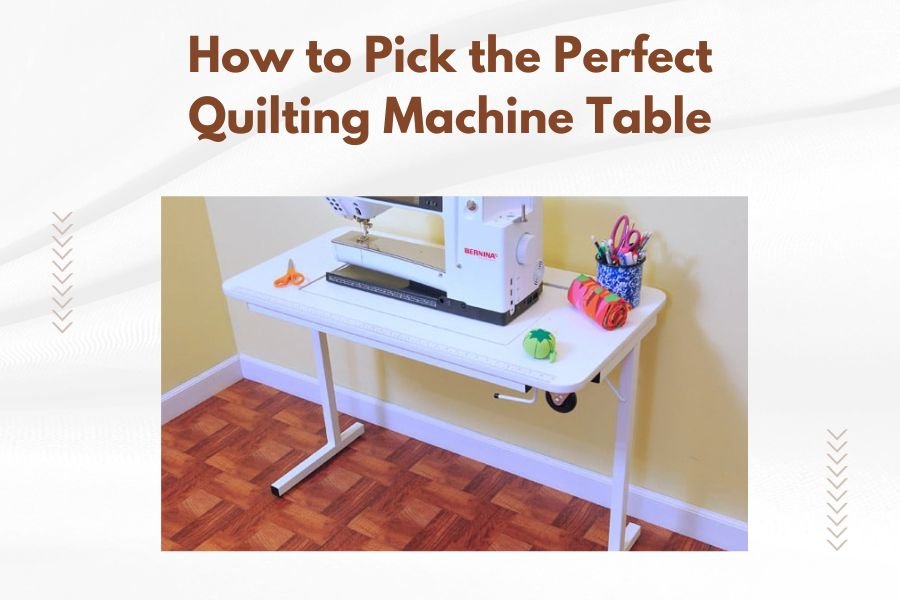
The perfect quilting machine table should have a large, stable surface that sits at the right height for comfortable quilting and matches your machine’s specific requirements.
Your ideal quilting machine table needs adjustable height, smooth surface materials, and enough workspace to handle large quilt projects without strain.
What Makes a Great Quilting Machine Table
Your quilting machine table is more than just furniture. It’s the foundation of every project you create.
A good table supports your machine properly. It reduces vibration during stitching. Most importantly, it keeps you comfortable during those long quilting sessions.
Think of your table like a good pair of shoes. The wrong fit causes problems you’ll feel for hours. The right fit makes everything easier.
Size Requirements for Your Workspace
Size matters when choosing your quilting machine table. You need room for your fabric to move freely.
Most quilters need at least 24 inches of depth. Width depends on your projects. If you make king-size quilts, you’ll want 60 inches or more.
I found that many quilters underestimate the space they need. Measure your largest project before shopping. Add 12 inches on each side for comfort.
Standard Quilting Table Dimensions
Here are common table sizes that work well for different quilting styles:
| Table Size | Best For | Project Types |
|---|---|---|
| 48″ x 24″ | Small spaces | Baby quilts, table runners |
| 60″ x 30″ | Most quilters | Lap quilts, twin quilts |
| 72″ x 36″ | Serious quilters | Full and queen quilts |
| 96″ x 42″ | Professional use | King quilts, art quilts |
Height Considerations for Comfort
The right height prevents back pain and shoulder strain. Your table should match your body, not the other way around.
Stand next to your table. Your elbows should bend at 90 degrees when your hands rest on the surface. This puts your shoulders in a natural position.
Research shows that adjustable height tables reduce quilting fatigue by up to 40% during extended sessions (American Physical Therapy Association).
Finding Your Perfect Height
Measure from the floor to your elbow while standing. Subtract 2-3 inches. That’s your ideal table height.
Most quilters work best at 36-42 inches high. Taller quilters need higher tables. Shorter quilters need lower ones.
Essential Features to Look For
Your quilting machine table needs specific features to work well. Some are must-haves. Others are nice to have.
Stability and Weight Capacity
Stability tops the list of important features. Your machine creates vibration. A wobbly table makes stitching harder.
Look for tables that hold at least 100 pounds. Heavy-duty machines need tables rated for 200 pounds or more.
I came across many quilters who bought lightweight tables and regretted it. The machine moves during quilting. Stitches become uneven.
Testing Table Stability
Push on the table corner. Does it rock or flex? That’s a red flag.
Check the leg design. Thick legs with cross-bracing work better than thin legs. Metal frames usually outlast wood frames.
Surface Material Options
Your table surface affects how fabric moves. Smooth surfaces work best for quilting.
Laminate tops resist scratches and clean easily. Melamine surfaces stay smooth longer than wood. Avoid rough or textured surfaces that snag fabric.
Surface Treatments That Help
Some quilters add their own surface treatments. Teflon sheets create super-smooth surfaces. Cutting mats protect the table and provide grid lines.
Whatever you choose, keep it flat. Bumps and ridges cause quilting problems.
Types of Quilting Machine Tables
Different table styles work for different needs. Your choice depends on your space, budget, and quilting style.
Dedicated Quilting Tables
These tables are built just for quilting. They have features regular tables lack.
Most include machine wells that lower your machine into the table. This creates a flat sewing surface. It’s easier on your shoulders and improves stitch quality.
Many experts recommend dedicated tables for serious quilters. The ergonomic benefits make long projects more enjoyable.
Built-in Storage Options
Dedicated tables often include storage. Drawers hold tools and supplies. Shelves keep thread organized.
Storage keeps your workspace clean. Everything has a place. You spend less time searching for supplies.
Extension Tables for Existing Machines
Extension tables attach to your current sewing table. They add workspace without replacing furniture.
These work well if you have limited space. They cost less than dedicated tables. You can remove them when not quilting.
Compatibility Concerns
Not all extension tables fit all machines. Check compatibility before buying.
Measure your current table height. The extension should match exactly. Height differences create fabric drag and tension problems.
Portable and Folding Options
Portable tables work for quilters with limited space. They set up when needed and fold away after use.
These tables sacrifice some stability for convenience. They work fine for smaller projects. Large quilts become more challenging.
Setup and Storage Tips
Practice setting up your portable table before your first project. Some designs are tricky to assemble.
Find good storage for folding tables. Leaning against walls can warp the surface over time.
Budget Considerations
Quilting machine tables range from $200 to $2000 or more. Your budget affects your options, but it doesn’t have to limit your quilting.
Entry-Level Options
Basic tables start around $200-400. These provide adequate workspace for beginning quilters.
You might sacrifice some features like height adjustment or built-in storage. But you get the space you need to start quilting properly.
From what I read, many quilters start with basic tables and upgrade later. This approach spreads the cost over time.
DIY Table Solutions
Handy quilters sometimes build their own tables. Kitchen countertops make good surfaces. Add legs and you have a basic quilting table.
Building costs $100-300 in materials. You get exactly the size and height you want. The downside is time and woodworking skills.
Mid-Range Investments
Tables in the $500-1000 range offer better features. You get adjustable height, better stability, and often some storage.
This price range works well for regular quilters. The improved comfort and features justify the extra cost.
Professional-Grade Tables
High-end tables cost $1000-2000 or more. They offer premium materials, precision adjustment, and extensive storage.
These tables suit quilters who spend hours daily at their machines. The ergonomic benefits reduce fatigue and injury risk.
Machine Compatibility
Your quilting machine affects your table choice. Different machines have different needs.
Domestic Machine Requirements
Regular sewing machines work on most quilting tables. They’re lightweight and don’t need special support.
The main consideration is throat space. Quilting requires moving large pieces of fabric. More table space helps.
Weight and Size Factors
Domestic machines usually weigh 20-40 pounds. Most quilting tables handle this easily.
Measure your machine’s footprint. Make sure it fits comfortably on your chosen table with room for fabric movement.
Longarm Machine Considerations
Longarm machines need special tables. They’re larger and heavier than domestic machines.
Most longarm manufacturers specify table requirements. Follow these guidelines to avoid problems.
Longarm tables often include quilting frames. The entire setup can be 12 feet long or more. Plan your space carefully.
Setup and Maintenance
Getting your table set up right makes quilting more enjoyable. A little maintenance keeps it working well for years.
Assembly Tips
Read all instructions before starting assembly. Lay out all parts and hardware first.
Get help with large tables. Having someone hold pieces makes assembly easier and safer.
Check that everything is square and level. Use a bubble level on the table surface. Adjust legs as needed.
Common Assembly Mistakes
Don’t overtighten bolts during initial assembly. Get everything aligned first, then tighten gradually.
Make sure all legs touch the floor evenly. Wobbly tables usually have one leg that’s not making contact.
Regular Care Requirements
Clean your table surface regularly. Lint and thread pieces can scratch the surface over time.
Check bolts and connections monthly. Quilting vibration can loosen hardware gradually.
Keep the surface smooth. Sand out small scratches before they become big problems.
Conclusion
Choosing the perfect quilting machine table comes down to matching your needs with the right features. Consider your space, projects, and budget when making your decision.
A good table improves your quilting experience immediately. It reduces fatigue, improves stitch quality, and makes large projects manageable. Whether you choose a basic extension table or a professional-grade station, the right table supports your quilting goals.
Take time to measure your space and think about your quilting plans. The table you choose today will serve you for many years of creative projects.
What’s the difference between a quilting table and a regular sewing table?
Quilting tables are larger and more stable than regular sewing tables. They provide more workspace for handling large quilt pieces and often include features like machine wells and specialized storage for quilting supplies.
Can I use a kitchen table for quilting?
Kitchen tables work for small quilting projects but lack the size and stability needed for larger quilts. The height is usually wrong for comfortable quilting, and the surface might not be smooth enough for fabric to move easily.
How do I know if my table is the right height?
Stand at your table with your arms relaxed at your sides. When you place your hands on the surface, your elbows should bend at roughly 90 degrees. If you have to reach up or hunch down, the height needs adjustment.
Do I need a machine well in my quilting table?
Machine wells create a flat surface around your machine, which improves fabric flow and reduces shoulder strain. While not absolutely necessary, they make quilting more comfortable, especially for long sessions or large projects.
What’s the minimum table size for quilting a queen-size quilt?
For a queen-size quilt, you need at least 60 inches of width and 30 inches of depth. Larger tables make the process easier by providing more support for the quilt as you work on different sections.