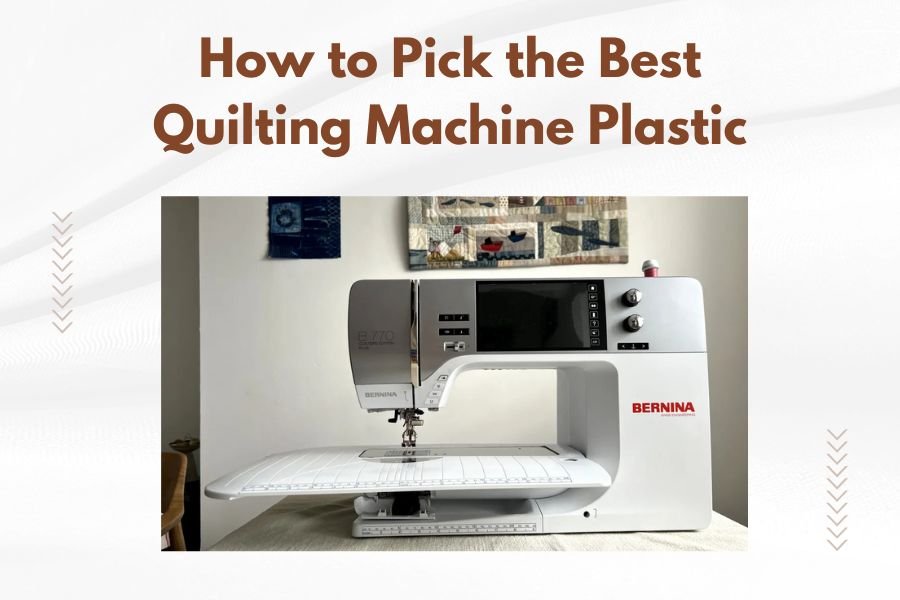
The best quilting machine plastic should be durable, smooth, and compatible with your specific machine model to prevent thread breaks and ensure smooth fabric feeding.
High-quality quilting machine plastic parts typically use ABS or polycarbonate materials that resist wear and maintain precise tolerances for consistent stitching performance.
What Makes Quality Quilting Machine Plastic Different
Not all plastic is the same. When I researched quilting machine components, I found that manufacturers use different grades of plastic for different parts.
Cheap plastic breaks easily. It warps under heat. It creates rough surfaces that snag thread.
Quality plastic lasts years. It keeps its shape. It provides smooth surfaces for perfect thread flow.
Material Types You’ll Encounter
ABS plastic works well for most machine parts. It’s strong and lightweight. Many quilting machines use ABS for their housing and internal components.
Polycarbonate costs more but offers better durability. High-end machines often use polycarbonate for parts that get heavy use.
Nylon works great for gears and moving parts. It’s self-lubricating and handles stress well.
Key Features to Look For
You want plastic parts that fit perfectly. Loose parts cause problems. Too-tight parts break easily.
Surface Finish Quality
Smooth finishes prevent thread catching. Rough plastic creates lint buildup. This leads to tension problems and poor stitch quality.
Look for parts with polished surfaces. Run your finger across them. They should feel completely smooth.
Dimensional Accuracy
Precise measurements matter. Thread guides need exact spacing. Bobbins must fit snugly but turn freely.
Quality manufacturers maintain tight tolerances. This means parts work correctly every time.
Color Consistency
Consistent color often signals quality manufacturing. Mixed colors or streaks suggest poor material mixing or temperature control during production.
Common Quilting Machine Plastic Components
Different parts need different plastic properties. Let me break down what you’ll typically replace.
Thread Guides and Tension Discs
These parts touch your thread constantly. They need ultra-smooth surfaces and precise shapes.
Poor thread guides create uneven tension. This ruins your stitching. Quality guides use hard plastic that won’t wear down.
Bobbin Cases and Bobbins
Bobbin cases need exact dimensions. Too loose and your bobbin rattles. Too tight and thread tension suffers.
Quality bobbin cases maintain their shape. They don’t crack or warp over time.
Presser Foot Components
Many presser feet use plastic parts. These need to glide smoothly across fabric without catching or dragging.
Look for feet with reinforced plastic at stress points. This prevents breaking during heavy use.
Feed Dog Covers
Feed dog covers protect your machine and fabric. They need smooth tops and precise cutouts.
Cheap covers warp quickly. This creates uneven surfaces that affect fabric feeding.
How to Test Plastic Quality
You can check plastic quality before buying. Here’s what I found works best.
Visual Inspection
Good plastic looks consistent. No bubbles, streaks, or color variations. The surface should be smooth and even.
Check for flash or rough edges. These suggest poor manufacturing quality.
Feel Test
Quality plastic feels solid, not hollow or flimsy. It shouldn’t flex excessively when you press it.
Smooth surfaces feel glassy. Rough surfaces catch your fingernail.
Fit Test
Parts should slide into place easily. No forcing required. They should feel secure once installed.
Wobbling or looseness indicates poor tolerances. This causes problems during quilting.
Brand vs. Generic Plastic Parts
Should you buy original manufacturer parts? Or can generic parts work just as well?
Original Equipment Manufacturer (OEM) Parts
OEM parts guarantee compatibility. They use the same materials and manufacturing as your original machine parts.
They cost more but offer peace of mind. You know they’ll work correctly.
Generic Replacement Parts
Generic parts save money. Many work just fine. But quality varies widely between manufacturers.
Research the seller first. Read reviews from other quilters. Avoid parts with many complaints.
When to Choose Each Option
Use OEM parts for critical components. Thread tension systems, timing parts, and precision guides work best with original specifications.
Generic parts work fine for simple items. Bobbins, basic thread guides, and covers often perform well as generics.
Common Problems with Poor Quality Plastic
Bad plastic causes predictable problems. Recognizing these helps you avoid future issues.
Thread Breaking
Rough plastic surfaces cut thread. Sharp edges or poor finishes create weak spots in your thread.
Thread guides with scratches or burrs will break thread consistently. Replace them immediately.
Tension Problems
Warped or poorly shaped plastic affects thread tension. This creates uneven stitches and loose seams.
Bobbin cases that don’t hold their shape cause the worst tension problems.
Machine Jamming
Poorly fitting parts jam your machine. Loose parts vibrate and shift. Tight parts bind and stop movement.
Both problems damage your machine over time.
Maintenance Tips for Plastic Parts
Good care extends plastic part life. Simple maintenance prevents most problems.
Regular Cleaning
Clean plastic parts gently. Use soft cloths and mild soap. Avoid harsh chemicals that damage plastic.
Remove lint buildup regularly. Lint traps heat and causes warping.
Proper Storage
Store plastic parts away from heat and sunlight. Both cause warping and brittleness.
Keep small parts in labeled containers. This prevents loss and mixing of different machine parts.
Inspection Schedule
Check plastic parts monthly. Look for cracks, wear spots, or rough areas.
Replace worn parts before they break. Prevention costs less than repairs.
Cost Considerations
Plastic parts range from a few dollars to over fifty dollars. Price often reflects quality, but not always.
| Part Type | Price Range | Replacement Frequency |
|---|---|---|
| Basic bobbins | $5-15 | 1-2 years |
| Thread guides | $10-25 | 2-3 years |
| Bobbin cases | $15-50 | 3-5 years |
| Presser feet | $20-60 | 5+ years |
Budget vs. Premium Options
Budget parts work for occasional quilters. If you quilt monthly, basic plastic parts handle the load.
Premium parts suit heavy users. Daily quilting demands better materials and construction.
Where to Buy Quality Plastic Parts
Source matters as much as the part itself. Good dealers stock quality parts and offer support.
Authorized Dealers
Machine dealers offer the best part selection. They know your machine and stock compatible parts.
Dealer support helps with installation and troubleshooting. This saves time and prevents mistakes.
Online Retailers
Online shopping offers better prices and selection. But you can’t examine parts before buying.
Check return policies carefully. You might need to return parts that don’t fit properly.
Specialty Quilting Suppliers
Quilting specialty stores understand quilter needs. They often stock hard-to-find parts and offer expert advice.
These suppliers usually test parts before selling them. This reduces your risk of getting poor-quality items.
Installation and Compatibility
Even perfect parts won’t work if installed incorrectly. Take time to do it right.
Pre-Installation Checks
Compare new parts to old ones. They should look nearly identical. Small differences often cause big problems.
Clean the installation area first. Remove all old lubricant and debris.
Installation Best Practices
Follow your machine manual exactly. Don’t guess at installation steps.
Use proper tools. Forcing parts with wrong tools damages both the part and your machine.
Test operation after installation. Run the machine slowly and check for smooth operation.
Conclusion
Choosing quality quilting machine plastic makes a real difference in your quilting experience. Good plastic parts provide smooth operation, consistent stitching, and years of reliable service. Focus on materials like ABS or polycarbonate, insist on smooth finishes, and buy from reputable sources. Remember that spending a bit more on quality parts saves money and frustration in the long run. Your quilts deserve the precision that only quality machine components can provide.
What’s the difference between ABS and polycarbonate plastic for quilting machines?
ABS plastic offers good durability at a lower cost and works well for most quilting machine parts. Polycarbonate costs more but provides superior strength and heat resistance, making it ideal for high-stress components like gears and tension assemblies.
How often should I replace plastic parts on my quilting machine?
Replace plastic parts when they show wear, roughness, or dimensional changes. Light users might replace parts every 2-3 years, while heavy quilters may need annual replacements for high-wear items like thread guides and bobbins.
Can I clean quilting machine plastic parts in the dishwasher?
No, dishwasher heat and harsh detergents can warp or damage plastic parts. Clean them by hand using warm water and mild soap, then dry completely before reinstalling.
Why do some plastic quilting machine parts cost so much more than others?
Price differences reflect material quality, manufacturing precision, and complexity. Simple parts like basic bobbins cost less, while precision-molded tension assemblies require expensive materials and tight manufacturing tolerances.
Is it worth buying a complete plastic parts kit for my quilting machine?
Parts kits make sense if multiple components need replacement or if you want backup parts on hand. Individual part replacement works better if only one or two items show wear, as you can invest in higher quality for just those specific pieces.