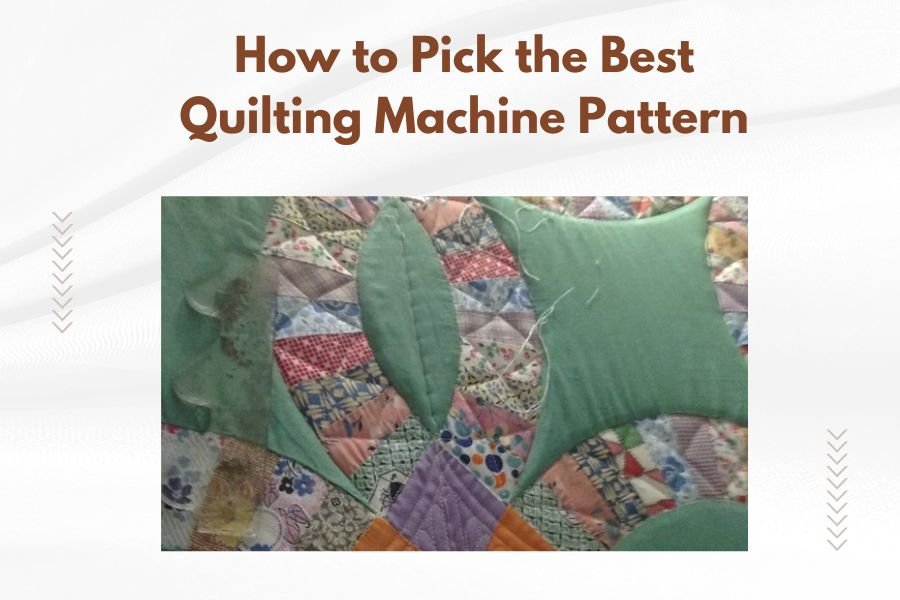
The best quilting machine pattern depends on your skill level, project type, and machine capabilities – beginners should start with simple geometric designs while experienced quilters can tackle complex motifs.
Consider your fabric type, thread weight, and desired quilting density when picking the best quilting machine pattern for your project.
Understanding Your Quilting Machine’s Pattern Capabilities
Your quilting machine type determines which patterns you can create. Not all machines handle every design equally well.
Domestic sewing machines work best with simple straight-line patterns and basic curves. They struggle with dense designs or large continuous motifs.
Long-arm quilting machines excel at flowing patterns and large-scale designs. You get more freedom with spacing and can cover bigger areas quickly.
Built-in Pattern Options
Many modern quilting machines come with pre-programmed patterns. These range from basic stippling to decorative flowers and geometric shapes.
Check your machine’s pattern library first. Why reinvent the wheel when you have tested designs ready to go?
Computerized Pattern Features
Computerized machines often let you resize, rotate, and combine patterns. This gives you more creative control without starting from scratch.
Some machines connect to software that offers thousands of additional patterns. Research shows these expanded libraries help quilters finish projects faster.
Matching Patterns to Your Skill Level
Picking a pattern that matches your abilities saves time and reduces frustration. You want challenge, not chaos.
Beginner-Friendly Pattern Choices
Start with these simple patterns if you’re new to machine quilting:
- Straight lines – parallel, diagonal, or grid patterns
- Gentle curves – like serpentine or wave designs
- Simple stippling – small, random curved lines
- Echo quilting – following seam lines at regular intervals
These patterns forgive small mistakes and help you build muscle memory. Your hands learn the rhythm before tackling complex designs.
Practice Makes Progress
Spend time on practice sandwiches before quilting your actual project. Use the same batting and fabric types you plan to use.
I found that quilters who practice patterns first finish their projects with fewer seam-ripping sessions.
Intermediate Pattern Progression
Once you master basic patterns, try these next-level designs:
- Feathers – classic quilting motifs with flowing curves
- Paisleys – teardrop shapes that repeat in rows
- Cables – interwoven rope-like patterns
- Geometric combinations – mixing triangles, squares, and circles
These patterns require more planning and steady hand control. They add visual interest without overwhelming the quilt design.
Advanced Pattern Mastery
Expert quilters can handle intricate patterns like:
- Dense background fillers combined with open motifs
- Custom patterns designed for specific quilt blocks
- Realistic nature scenes with varying stitch densities
- Trapunto effects using specialized quilting techniques
Choosing Patterns Based on Quilt Style
Your quilt’s design influences which quilting patterns work best. The quilting should support the pieced top, not fight it.
Traditional Quilts Need Classic Patterns
Traditional quilts look best with time-tested quilting motifs. Think feathers, cables, and crosshatching.
These patterns match the formal structure of traditional piecing. They add elegance without looking out of place.
Medallion Quilts
Medallion quilts have a central focal point surrounded by borders. Choose patterns that echo this structure.
Quilt the center with a featured motif, then use progressively simpler patterns as you move toward the edges.
Modern Quilts Call for Contemporary Patterns
Modern quilts often feature bold colors and simple shapes. Your quilting patterns should reflect this aesthetic.
Try angular geometric patterns, straight-line designs, or minimal stippling. Let the fabric and piecing shine.
Negative Space Opportunities
Modern quilts often include large areas of solid fabric. These spaces let you showcase detailed quilting patterns.
Use these areas for your most impressive motifs. The contrast between busy and calm areas creates visual balance.
Technical Considerations for Pattern Selection
Some patterns work better with certain fabrics, threads, and batting types. Consider these technical factors upfront.
Fabric Type Influences Pattern Choice
Dense patterns show up better on solid fabrics than busy prints. Save your most detailed work for areas where it will be visible.
Silk and other delicate fabrics need gentler patterns with less stitch density. Cotton can handle almost any pattern you throw at it.
Thread Weight and Color Impact
Heavier threads make patterns more visible but harder to stitch smoothly. Match your thread weight to your pattern complexity.
Contrasting thread colors highlight your quilting patterns. Matching colors let the texture speak instead of the color.
Batting Choice Affects Pattern Performance
Different battings respond differently to quilting patterns. Polyester battings puff up more between quilting lines than cotton battings.
Wool batting drapes beautifully but needs closer quilting spacing. Research from batting manufacturers suggests keeping quilting lines within 3-4 inches apart for wool.
| Batting Type | Best Pattern Style | Maximum Spacing |
|---|---|---|
| Cotton | Any pattern works well | 8-10 inches |
| Polyester | Medium density patterns | 4-6 inches |
| Wool | Closer spacing needed | 3-4 inches |
| Bamboo | Light to medium patterns | 6-8 inches |
Planning Your Pattern Layout
Great quilting patterns need good planning. You can’t just start stitching and hope for the best.
Measuring and Marking Techniques
Measure your quilt sections before choosing final patterns. Some motifs need specific dimensions to look balanced.
Use removable marking tools appropriate for your fabric. Test markers on scraps first to avoid permanent marks.
Border Pattern Planning
Border patterns need careful planning to turn corners gracefully. Measure your borders and adjust pattern sizing to fit evenly.
Many quilters prefer patterns that repeat evenly around the entire border without awkward adjustments at corners.
Center-Out vs Edge-In Approaches
You can start quilting from the center and work outward, or start at edges and work inward. Each approach works better for different pattern types.
Center-out prevents puckering in large quilts. Edge-in works well for smaller projects or when you want borders to frame the center perfectly.
Common Pattern Selection Mistakes
Learning from others’ mistakes saves you time and materials. Here are patterns problems I found quilters face regularly.
Scale Problems
Patterns that are too small get lost in the quilt. Patterns that are too large overwhelm the piecing.
Step back and view your quilt from across the room. Your quilting patterns should be visible and proportional from that distance.
Density Mismatches
Mixing very dense and very sparse quilting in the same project can cause puckering or distortion.
Keep quilting density relatively consistent across your project, or plan carefully for areas with different densities.
Thread and Pattern Conflicts
Beautiful patterns disappear when thread colors blend too much with fabric colors. Poor thread choices waste your quilting effort.
Test thread colors on fabric scraps under good lighting before committing to the full project.
Conclusion
Picking the best quilting machine pattern comes down to matching your skills, tools, and project needs. Start simple and build your abilities gradually. Consider your fabric choices, batting type, and desired finished look when making pattern decisions. Remember that practice makes progress – don’t expect perfection on your first try.
The right pattern makes your quilt shine while the wrong one frustrates you throughout the process. Take time to plan, practice, and choose thoughtfully. Your future self will thank you when you’re admiring your finished quilt instead of fixing mistakes.
What’s the easiest quilting pattern for complete beginners?
Straight line quilting is the easiest starting point. Try parallel lines spaced 1-2 inches apart across your entire quilt. This builds your machine control and rhythm without requiring complex curves or direction changes.
How do I know if a pattern is too complex for my machine?
Test the pattern on a practice sandwich first. If your machine struggles with tight curves, skips stitches, or creates uneven tension, the pattern is too complex. Choose simpler designs until you upgrade your equipment.
Can I mix different quilting patterns on the same quilt?
Yes, mixing patterns adds visual interest when done thoughtfully. Use detailed patterns in solid fabric areas and simpler patterns in busy print areas. Keep the overall quilting density consistent to prevent distortion.
How do I resize a pattern to fit my quilt blocks perfectly?
Measure your blocks first, then calculate the pattern size needed. Most computerized machines let you resize patterns digitally. For hand-drawn patterns, use a copy machine or redraw using proportional scaling methods.
What quilting pattern works best for baby quilts?
Choose soft, simple patterns for baby quilts since they need frequent washing. Gentle curves, simple stippling, or straight line patterns work well. Avoid very dense quilting that makes the quilt stiff or uncomfortable for babies.