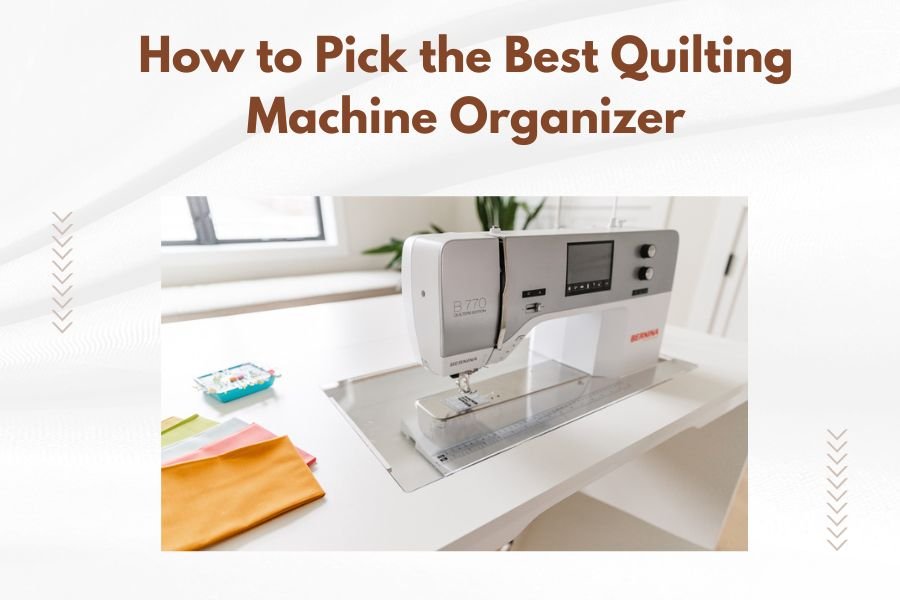
The best quilting machine organizer should have adjustable compartments, sturdy construction, and enough space for your thread, bobbins, and tools while fitting your workspace.
Look for organizers with clear visibility, easy access design, and durability that matches your quilting frequency and storage needs.
Why Your Quilting Space Needs Better Organization
Ever spent twenty minutes hunting for that perfect thread color? You’re not alone. A messy quilting area kills creativity faster than a dull rotary blade.
Good organization saves time and reduces stress. When everything has a place, you spend more time creating and less time searching. Your quilting sessions become smoother and more enjoyable.
Types of Quilting Machine Organizers
Thread Storage Systems
Thread organizers come in several styles. Wall-mounted racks save desk space. Tabletop spindles keep thread visible and accessible. Drawer inserts work great if you prefer hidden storage.
I found that cone thread holders differ from spool holders. Make sure you pick the right style for your thread type.
Bobbin Organization Solutions
Bobbins are small but mighty troublemakers when loose. Bobbin boxes with individual slots prevent tangling. Some quilters love magnetic bobbin holders that stick to their machine.
Clear bobbin storage lets you see colors instantly. No more unwinding bobbins to check the thread color underneath.
Multi-Purpose Quilting Caddies
These combine several storage needs in one unit. Good caddies hold thread, bobbins, scissors, seam rippers, and rulers. They often have wheels for easy moving.
Rolling caddies work well in shared spaces. You can move your entire setup when needed.
Key Features to Look For
Size and Capacity
Count your threads first. How many spools do you own? How many bobbins?
Small organizers hold 30-50 spools. Large systems store 200+ spools. Buy slightly bigger than your current collection. Your stash will grow.
Material Quality
Plastic organizers cost less but may crack over time. Wood looks beautiful and lasts longer. Metal systems offer industrial strength.
I researched and found that acrylic organizers provide durability with clear visibility. They resist yellowing and clean easily.
Adjustability Options
Fixed compartments limit your flexibility. Adjustable dividers adapt as your needs change. You might switch from small spools to large cones later.
Removable sections let you take just what you need to classes or retreats.
Modular vs Fixed Systems
Modular systems grow with your hobby. You can add sections as your collection expands. Fixed systems work well if you know your exact needs.
Workspace Considerations
Available Space Assessment
Measure your quilting area before shopping. Include height, width, and depth. Consider door clearances and drawer access.
Think vertically if floor space is tight. Wall-mounted systems free up valuable work surface.
Accessibility Requirements
Can you reach the top shelves easily? Are frequently used items at arm’s reach? Good organization puts often-used supplies in the prime zone.
The prime zone spans from your waist to shoulder height. Store daily tools here.
Mobility Needs
Do you move your supplies often? Wheels make heavy organizers manageable. Handles help with smaller units.
Consider your physical comfort too. Lifting heavy storage containers repeatedly can strain your back.
Budget-Friendly Options
DIY Solutions
Mason jars work great for small notions. Pegboards with hooks create custom thread storage. Tackle boxes make excellent travel organizers.
Hardware store organizers cost less than quilting-specific products. Drawer organizers and tool boxes serve quilters well.
Repurposing Household Items
Spice racks become perfect thread holders. Silverware trays organize small tools. Ice cube trays sort tiny parts like machine feet.
Baby food jars store buttons and beads. Their clear glass lets you see contents instantly.
Craft Store Alternatives
Art supply organizers often work for quilting gear. They usually cost less than quilting-branded products but offer similar functionality.
Premium Organization Systems
Professional-Grade Features
High-end organizers include LED lighting, soft-close drawers, and premium hardware. Some feature locking wheels and adjustable work surfaces.
These systems often come with lifetime warranties. They’re built for daily professional use.
Custom Storage Solutions
Some companies create custom organizers for your exact space and needs. They measure your area and design fitted storage.
Custom solutions cost more but maximize every inch of available space.
Maintenance and Care Tips
Cleaning Guidelines
Dust accumulates on thread and in organizers. Weekly dusting keeps everything fresh. Vacuum fabric lint from storage areas.
Clean plastic with mild soap and water. Wood needs appropriate cleaners to prevent damage.
Organization Maintenance
Return items to their designated spots after each session. This habit keeps your system working.
Review your organization monthly. Move frequently used items to better locations. Donate supplies you no longer use.
Preventing Thread Deterioration
Keep thread away from direct sunlight and heat sources. UV light fades colors and weakens fibers. Consistent temperature prevents thread brittleness.
Common Organization Mistakes
Overcomplicating Systems
Complex organization systems often fail. If putting things away takes too much effort, you won’t maintain the system.
Simple solutions work better than perfect ones. Easy access beats perfect categorization.
Ignoring Growth Potential
Most quilters underestimate how their supplies will grow. Buy organizers with 25-50% extra capacity.
Your hobby will likely expand. Plan for future acquisitions now.
Choosing Style Over Function
Pretty organizers that don’t work well create frustration. Function should guide your choice first.
You can always add decorative touches to functional systems later.
| Organizer Type | Best For | Price Range | Space Needed |
|---|---|---|---|
| Wall-mounted Thread Rack | Small spaces | $25-75 | Wall space only |
| Rolling Cart | Shared/mobile spaces | $50-200 | Floor space |
| Desk Organizer | Permanent setup | $30-150 | Desktop surface |
| Storage Cabinet | Large collections | $100-500 | Floor and height |
Conclusion
Picking the right quilting machine organizer transforms your creative space from chaos to calm. Focus on your actual storage needs first, then consider your space and budget.
Remember that the best organizer is one you’ll actually use. Simple systems often work better than complex ones. Start with basic organization and upgrade as your needs become clearer.
Your quilting time should be spent creating, not searching. A good organizer makes that possible every single day.
What size organizer do I need for 100 thread spools?
For 100 spools, look for organizers with at least 120-150 capacity. This gives you room to grow and prevents overcrowding that makes selection difficult.
Can I use regular storage containers for quilting supplies?
Yes, many household storage solutions work well for quilting supplies. Tackle boxes, spice racks, and drawer organizers often cost less than quilting-specific products while offering similar functionality.
How do I organize threads by color or project?
Most quilters find color organization more practical for daily use. Group similar colors together and separate threads by weight or type. Project-based organization works better for active quilts using dedicated containers.
What’s the difference between spool and cone thread organizers?
Spool organizers have shorter pegs designed for standard thread spools. Cone organizers feature taller, stronger pegs to support larger thread cones used in longarm quilting or high-volume projects.
Should I choose open storage or enclosed cabinets?
Open storage provides quick visual access and works well in dedicated quilting rooms. Enclosed cabinets protect supplies from dust and light damage while keeping shared spaces tidy. Consider your room type and dust levels when deciding.