A precision quilting machine level helps determine your skill requirements and budget range by matching machine capabilities to your quilting experience and project complexity.
Most quilting machines fall into three precision levels: beginner-friendly basic models, intermediate computerized machines, and advanced longarm or commercial-grade systems.
What Makes a Quilting Machine “Precision”
You might wonder what separates a regular sewing machine from a precision quilting machine. The answer lies in stitch quality, feed system accuracy, and workspace size.
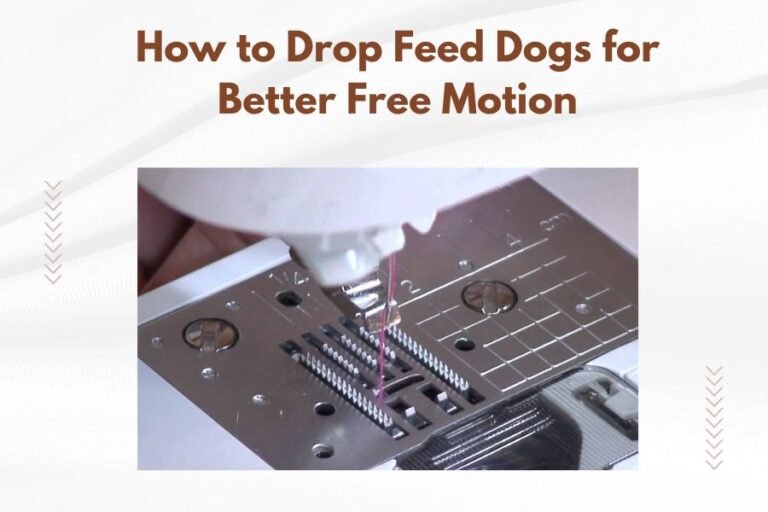
Precision quilting machines maintain consistent stitch length even through multiple fabric layers. They handle batting thickness changes without skipping stitches. The feed dogs move all layers evenly, preventing puckering.
Key Precision Features to Look For
Throat space makes the biggest difference in your quilting experience. You need room to maneuver large quilt sections without cramming fabric into tight spaces.
- Extended throat space (at least 9 inches for serious quilting)
- Even feed system or walking foot capability
- Consistent tension control across different thread weights
- Speed control for detailed work
Three Main Precision Levels Explained
I researched quilting machine categories and found three distinct precision levels. Each serves different skill sets and project types.
Level 1: Entry-Level Precision Machines
These machines cost between $200-800 and work well for quilters just starting their journey. You get basic quilting stitches and decent throat space.
Entry-level machines handle simple quilting projects like table runners and baby quilts. They often include a walking foot and basic decorative stitches.
What You Can Expect
- 6-9 inch throat space
- Built-in quilting stitches (usually 50-100 options)
- Walking foot included or available
- Speed control slider
Perfect For These Projects
Small wall hangings work beautifully on entry-level machines. You can also tackle lap quilts and simple bed quilts with patience.
Level 2: Mid-Range Computerized Precision
Mid-range machines cost $800-3000 and offer computer-controlled precision. You get consistent results with less manual adjustment.
These machines often include automatic thread cutting, programmable stitch combinations, and larger workspaces. Many quilters find this level perfect for serious hobby quilting.
Advanced Features You’ll Find
- 10-12 inch throat space
- 200+ built-in stitches and patterns
- Automatic tension adjustment
- Needle positioning control
- Extension tables for larger quilts
Ideal Project Range
Queen-size quilts become manageable at this level. You can handle detailed applique work and complex piecing with confidence.
Level 3: Professional Longarm Systems
Professional systems start around $3000 and can exceed $30,000 for commercial models. These machines prioritize speed and large-scale precision.
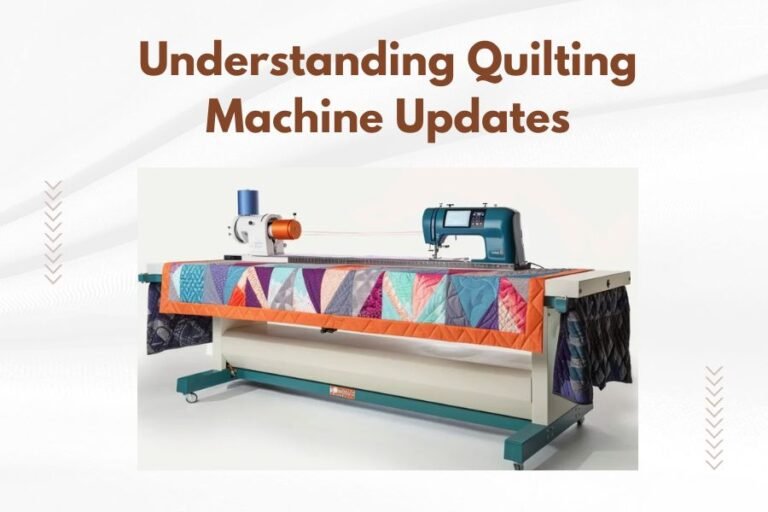
Longarm machines mount on frames or tables. You move the machine head across stationary fabric, which feels different from traditional sewing.
What Sets These Apart
- 12-30 inch throat space
- Frame systems for king-size quilts
- Pantograph and computer-guided patterns
- High-speed quilting capability
How to Match Your Skill Level
Choosing the wrong precision level wastes money and creates frustration. I found that honest self-assessment prevents expensive mistakes.
Assess Your Current Experience
Count how many quilts you’ve completed successfully. If you’re under five finished projects, entry-level precision usually works best.
Consider your sewing machine comfort level too. Do you understand tension settings and troubleshoot basic problems? These skills transfer to quilting machines.
Project Size Reality Check
Think about your actual quilting goals, not your dream projects. Most quilters overestimate their project ambitions when starting.
Baby quilts and wall hangings don’t need longarm precision. Save money and start with appropriate sizing.
Common Size Guidelines
| Quilt Size | Recommended Throat Space | Machine Level |
|---|---|---|
| Baby/Crib | 6-9 inches | Entry-Level |
| Lap/Throw | 9-12 inches | Entry to Mid-Range |
| Queen/King | 12+ inches | Mid-Range to Professional |
Budget Planning by Precision Level
Machine cost represents just part of your total investment. Factor in accessories, training, and ongoing supplies.
Hidden Costs at Each Level
Entry-level machines might need additional feet and accessories sold separately. Mid-range models often include more accessories but require premium threads for best results.
Professional systems need dedicated space, electrical requirements, and often professional training classes.
Total Investment Estimates
- Entry-Level: $300-1200 (machine plus essential accessories)
- Mid-Range: $1000-4000 (machine, accessories, training)
- Professional: $4000-35000+ (machine, setup, professional development)
Testing Before You Buy
Never buy a precision quilting machine without hands-on testing. What works for other quilters might feel awkward for your style.
What to Test During Demos
Bring fabric samples that match your typical projects. Test thick seam intersections and different batting types if possible.
- Thread different weights and types
- Test free-motion quilting if you plan to use it
- Check ergonomics for extended use
- Listen to noise levels
Questions to Ask Dealers
Find out about training programs and ongoing support. Some dealers offer excellent education programs that add real value.
Ask about trade-in policies too. Many quilters upgrade within a few years as skills develop.
Common Precision Level Mistakes
I came across several recurring mistakes when researching quilter experiences with machine selection.
Buying Too Much Machine
New quilters often buy professional-level machines thinking they’ll “grow into” the features. This usually creates overwhelm instead of motivation.
Start with your current skill level. You can always upgrade later with better knowledge of your preferences.
Ignoring Space Requirements
Large precision machines need dedicated space and proper lighting. Cramped setups lead to poor results and frustration.
Measure your space honestly before shopping. Include room for cutting and pressing stations nearby.
Space Planning Tips
- Allow 3 feet behind machine for large quilts
- Plan adequate lighting (quilting detail work needs bright, even light)
- Consider noise levels if others share your space
- Include storage for notions and supplies
When to Upgrade Your Precision Level
Upgrade signals include consistently finishing projects and wanting to tackle larger or more complex work.
Clear Upgrade Indicators
You’re ready for more precision when your current machine limits your creativity. Maybe you want smoother free-motion quilting or faster straight-line quilting.
- Completing quilts regularly (at least 4-6 per year)
- Wanting larger project capability
- Interested in custom quilting services
- Current machine needs frequent repairs
Conclusion
Picking the right precision quilting machine level starts with honest assessment of your current skills and realistic project goals. Entry-level machines serve most hobby quilters perfectly well, while mid-range computerized models suit serious enthusiasts ready for larger projects.
Professional longarm systems make sense when you’re completing many quilts yearly or considering quilting services. Remember that you can always upgrade as your skills develop. Starting with appropriate precision prevents frustration and builds confidence in your quilting journey.
What’s the difference between a regular sewing machine and a quilting machine?
Quilting machines have extended throat space, specialized feed systems, and stronger motors to handle multiple fabric layers and batting. They maintain consistent stitch quality through thick seam intersections that would challenge regular sewing machines.
Can I quilt a king-size quilt on an entry-level machine?
Yes, but it requires patience and careful planning. You’ll need to roll and manipulate the quilt frequently. Many quilters successfully complete large quilts on smaller machines by quilting in sections or using simple straight-line patterns.
How much should I spend on my first quilting machine?
Budget $400-800 for your first dedicated quilting machine including essential accessories. This range provides good precision for learning without overwhelming features. You can always upgrade once you understand your quilting style preferences.
Do I need special thread for precision quilting machines?
High-quality thread produces better results on all precision levels, but entry-level machines work fine with good cotton or polyester thread. Advanced machines often perform better with premium threads designed for high-speed quilting.
What’s the minimum throat space needed for quilting?
Six inches of throat space allows basic quilting, but nine inches or more provides much better maneuverability. Larger throat space reduces fabric wrestling and produces more consistent results, especially on bed-size quilts.