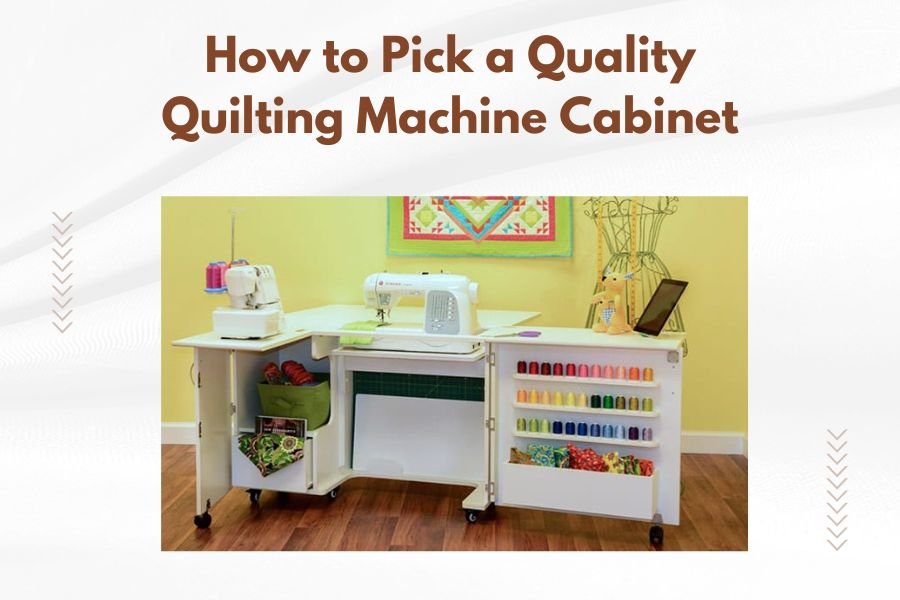
A quality quilting machine cabinet requires sturdy construction, adjustable height settings, and enough storage space for your supplies and tools.
The best quilting machine cabinets feature solid wood or high-grade engineered wood construction, smooth-operating hydraulic lifts, and dedicated compartments for thread, fabric, and notions.
What Makes a Quilting Machine Cabinet Worth Your Money
You’ve invested in a great quilting machine. Now you need furniture that matches that investment. A cheap cabinet will wobble, sag, and drive you crazy within months.
I researched dozens of cabinet options and found three non-negotiable features. Your cabinet must handle your machine’s weight without flexing. It needs height adjustment for comfort. And it requires real storage space, not just token drawers.
Weight Capacity Matters More Than You Think
Your quilting machine weighs 40 to 80 pounds. Add fabric, batting, and the quilt itself. That’s serious weight pulling on your cabinet’s platform.
Look for cabinets rated at least 100 pounds over your machine’s weight. A 50-pound machine needs a 150-pound capacity cabinet. This prevents sagging and maintains smooth machine operation.
Height Adjustment Prevents Back Pain
Fixed-height cabinets force you into awkward positions. You’ll feel it in your shoulders and lower back after an hour of quilting.
Hydraulic lifts work best for frequent adjustments. Crank systems cost less but take more effort. Electric lifts offer luxury but add complexity and potential repair issues.
Construction Materials That Last
Cabinet construction determines how long your investment lasts. I found that material choice affects both durability and your quilting experience.
Solid Wood vs Engineered Options
Solid hardwood cabinets cost more but last decades. Oak, maple, and cherry resist warping and handle heavy loads well. They also look beautiful in any sewing room.
High-quality plywood and MDF work too. They cost less and resist moisture better than solid wood. Just avoid particle board and thin veneer options that chip easily.
Joint Construction You Can Trust
Check how pieces connect. Dovetail joints and mortise-and-tenon connections beat simple screws and glue. Corner brackets add strength to engineered wood cabinets.
Avoid cabinets held together only with cam locks and dowels. These work for light furniture but not heavy-duty quilting use.
Essential Storage Features
Storage separates good cabinets from great ones. You need space for thread, rulers, cutting tools, and current projects.
Thread Storage That Actually Works
Thread spools need protection from dust and light. Look for enclosed thread compartments with individual slots or pegs. Avoid open shelving that lets spools roll around.
Vertical thread storage saves space and lets you see colors easily. Horizontal storage works but takes more drawer depth.
Ruler and Tool Organization
Long quilting rulers need vertical storage slots. Horizontal storage wastes space and makes rulers harder to grab quickly.
Dedicated tool drawers with dividers keep rotary cutters, scissors, and seam rippers organized. Shallow drawers work better than deep ones for small tools.
Fabric Storage Solutions
Current project fabric needs easy access. Look for pull-out shelves or large drawers that accommodate folded yardage.
Some cabinets include fabric cutting surfaces that extend from the main work area. These save space but must lock securely when extended.
Size and Space Considerations
Measure your sewing room before falling in love with any cabinet. I’ve seen too many quilters squeeze oversized cabinets into small spaces.
Room Layout Planning
Allow 36 inches behind your cabinet for chair movement. You need 24 inches on each side for fabric handling. Large quilts need even more space.
Consider door swings and drawer extensions too. A cabinet might fit your space when closed but block traffic when open.
Machine Compatibility
Measure your machine’s footprint and height. Some cabinets accommodate only specific machine sizes or brands.
Extension tables and machine platforms should match your machine’s bed height exactly. Even small height differences create catching points for fabric.
Lift Mechanism Options
Machine lifts let you store your quilter below work surface level when not in use. This protects your machine and creates extra work space.
Hydraulic Lift Systems
Hydraulic lifts raise and lower smoothly with minimal effort. They handle heavy machines easily and maintain height settings well.
Quality hydraulic systems last years without service. Cheap ones leak oil and lose pressure. I found that brand reputation matters here.
Manual Crank Options
Crank lifts cost less and never need hydraulic service. They work fine for lighter machines under 40 pounds.
Heavy machines require significant cranking effort. Your arm will get tired raising a 60-pound longarm quilter manually.
Electric Lift Convenience
Electric lifts offer push-button convenience. They handle any machine weight effortlessly and often include memory settings.
Electric systems add cost and complexity. They need power outlets and can fail. Some quilters find the motor noise annoying.
Budget Planning and Value Assessment
Quilting machine cabinets range from $500 to $3000 or more. Price usually reflects construction quality and features.
Entry-Level Cabinet Expectations
Budget cabinets under $800 typically use engineered wood construction. They offer basic storage and simple lift mechanisms.
These work fine for occasional quilters or lighter machines. Don’t expect decades of heavy use from budget options.
Mid-Range Value Sweet Spot
Cabinets between $1200 and $2000 offer the best value for most quilters. You get solid construction, good storage, and reliable lift systems.
This price range includes many solid wood options and quality hardware. Most serious quilters find their perfect cabinet here.
| Price Range | Construction | Storage | Lift Type | Best For |
|---|---|---|---|---|
| $500-$800 | Engineered wood | Basic drawers | Manual crank | Light use |
| $1200-$2000 | Solid/high-grade wood | Multiple compartments | Hydraulic | Regular quilters |
| $2500+ | Premium hardwood | Specialized storage | Electric | Professional use |
Brand Reputation and Warranty Coverage
Established furniture makers usually build better cabinets than generic imports. I researched customer reviews and found clear quality differences between brands.
Warranty Protection
Look for warranties covering both structure and mechanisms. Five years minimum on construction, two years on lift systems.
Good warranties include replacement parts availability. Some imported cabinets become unrepairable when parts run out.
Customer Service Access
You might need assembly help or replacement parts eventually. Choose companies with responsive customer service and technical support.
Local dealers provide better support than online-only sellers. They can handle warranty claims and provide hands-on assistance.
Assembly and Installation Requirements
Most quilting cabinets arrive partially assembled. You’ll need basic tools and 4-6 hours for assembly.
Professional Assembly Options
Heavy cabinets benefit from professional assembly. The cost usually runs $150-$300 but ensures proper setup.
Professional installers level the cabinet properly and test all mechanisms. This prevents problems that void warranties.
DIY Assembly Tips
Read all instructions before starting. Lay out parts and hardware in order. Have someone help with lifting and positioning.
Don’t force connections that seem difficult. Check part orientation and try again. Forced assembly often damages components.
Maintenance and Long-Term Care
Quality cabinets need minimal maintenance but benefit from regular attention. Simple care extends cabinet life significantly.
Wood Care Essentials
Dust weekly with microfiber cloths. Clean spills immediately to prevent staining. Use furniture polish monthly on solid wood surfaces.
Keep cabinets away from heating vents and direct sunlight. Temperature changes cause wood movement and joint problems.
Mechanism Lubrication
Hydraulic lifts need annual inspection for leaks. Manual mechanisms benefit from light machine oil on pivot points.
Keep lift platforms clean and free of fabric scraps. Debris causes binding and premature wear.
Special Features Worth Considering
Premium cabinets include features that enhance your quilting experience. Not everyone needs these, but they add convenience.
Built-in Lighting
LED strip lights under cabinet overhangs reduce shadows on your work surface. They’re especially helpful for detailed piecing work.
Battery-powered lights avoid wiring complications. Hardwired systems look cleaner but need electrical work.
Extension Work Surfaces
Pull-out leaves expand your work area for large quilts. They must lock securely and match the main surface height exactly.
Some extensions include measuring grids or cutting mats. These combination surfaces save space in small rooms.
Power Management
Built-in power strips keep machine cords organized. Look for surge protection and multiple outlets.
Some cabinets include USB charging ports for phones and tablets. Quilters increasingly use apps for patterns and calculations.
Conclusion
Choosing the right quilting machine cabinet transforms your sewing experience. Focus on construction quality, proper storage, and features that match your quilting style. A well-chosen cabinet serves you for decades while protecting your machine investment.
Remember that your needs might change as your quilting develops. Choose a cabinet with room to grow rather than one that just meets today’s requirements. The extra investment in quality pays off through years of comfortable, productive quilting.
How much should I spend on a quilting machine cabinet?
Plan to spend 20-30% of your machine’s cost on a quality cabinet. A $2000 quilting machine deserves a $500-600 cabinet minimum. This ratio ensures your furniture matches your equipment investment.
Can I use a regular sewing cabinet for my quilting machine?
Regular sewing cabinets often lack the weight capacity and work surface size quilting requires. Quilting machines are heavier and need more support for large projects. You’ll get better results with purpose-built quilting furniture.
Do I really need a cabinet with a lift mechanism?
Lift mechanisms aren’t essential but add significant convenience. They protect your machine when not in use and create extra work space. If you quilt regularly, the investment pays off in convenience and machine protection.
What’s the difference between solid wood and engineered wood cabinets?
Solid wood costs more but lasts longer and looks better over time. Engineered wood resists moisture and warping better while costing less. Both work well if construction quality is good. Choose based on your budget and style preferences.
How do I know if a cabinet will fit my quilting machine?
Measure your machine’s length, width, and height including any extension tables. Compare these to cabinet specifications, allowing 2-3 inches of clearance. Many manufacturers provide compatibility lists for popular machine models.