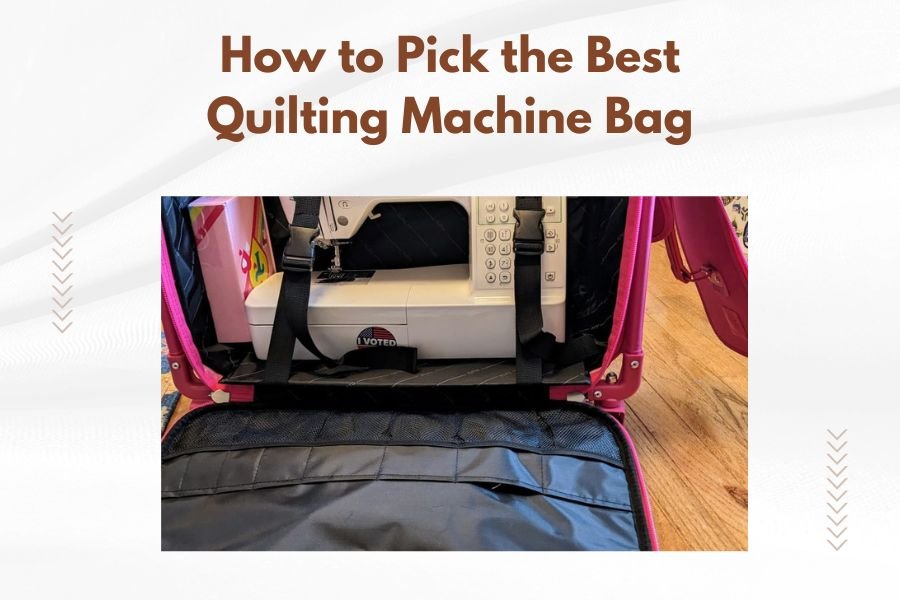
The best quilting machine bag should have padded compartments, sturdy wheels, and fit your machine’s exact dimensions with 2-3 inches of extra space.
Look for reinforced handles, water-resistant material, and separate storage areas for accessories when choosing a quilting machine bag.
What Makes a Great Quilting Machine Bag
Your quilting machine deserves protection. Think of it like buying a case for your phone. You wouldn’t trust a flimsy cover to protect something that valuable, right?
A quality bag keeps your machine safe from bumps, dust, and moisture. It also makes transport easier when you head to quilting retreats or friends’ houses.
Size Requirements Come First
Measure your machine before shopping. Get the height, width, and depth with the needle at its highest point.
Add 2-3 inches to each measurement. This gives you wiggle room for padding and makes loading easier.
Common Machine Size Categories
Most quilting machines fall into these groups:
- Compact machines: 15-18 inches wide
- Mid-size machines: 19-24 inches wide
- Large longarm machines: 25+ inches wide
Padding Protects Your Investment
Look for at least 1-2 inches of foam padding on all sides. The bottom needs extra protection since bags get set down hard.
I found that quilters who travel frequently prefer bags with memory foam. It bounces back to shape after compression.
Internal Compartments Keep Things Organized
Separate spaces prevent small parts from rattling around. Your presser feet and bobbins need their own spots.
Many bags include removable organizer pouches. These work like tackle boxes for your quilting supplies.
Material Quality Affects Durability
Water-resistant fabric protects against spills and rain. Nylon and polyester blends offer the best protection.
Canvas looks nice but absorbs moisture. Save canvas bags for indoor storage only.
Zippers Take Heavy Use
Heavy-duty zippers with metal pulls last longer than plastic ones. YKK zippers are the gold standard in the industry.
Double zippers let you open from either end. This makes loading awkward machines much easier.
Handle and Strap Options
Padded handles save your hands during long carries. Adjustable shoulder straps distribute weight better.
Rolling bags work great for heavier machines. Make sure the wheels are ball-bearing and at least 3 inches wide.
Storage Features to Consider
External pockets hold instruction manuals and quick reference cards. Interior mesh pockets keep power cords visible.
Some bags include cutting mat holders. These slide into side panels and stay flat during transport.
Ventilation Prevents Problems
Mesh panels allow air flow around your machine. This prevents condensation buildup during temperature changes.
Stored machines can develop rust or mold without proper ventilation. A few mesh inserts solve this problem.
Security Features Add Peace of Mind
Lockable zippers deter theft at retreats or workshops. Small padlocks work fine for this purpose.
ID windows help you claim your bag quickly. Include your name and phone number on a business card.
Brand vs. Universal Bags
Machine manufacturers make bags sized perfectly for their models. These fit like a glove but cost more.
Universal bags work for multiple machine brands. They’re more affordable but may not fit as snugly.
| Feature | Brand-Specific | Universal |
|---|---|---|
| Fit | Perfect | Good |
| Price | Higher | Lower |
| Availability | Limited | Wide selection |
| Features | Machine-specific | General purpose |
Budget Considerations
Basic bags start around $50-80. Mid-range options with wheels run $100-150. Premium bags with all features cost $200+.
Your machine’s value should guide your budget. A $3000 machine deserves better protection than a $300 model.
When to Spend More
Frequent travelers need durable construction. Cheap bags fail after a few trips through airports or car trunks.
Heavy machines require reinforced bottoms and strong handles. The extra cost prevents replacement headaches later.
Testing Your Bag Choice
Load your machine into the bag before your first trip. Check that zippers close easily and handles feel comfortable.
Practice carrying the loaded bag up stairs. You’ll discover comfort issues before they become problems.
Weight Distribution Matters
Balance heavy items across the bag’s width. Lopsided loads stress handles and make carrying difficult.
Place the heaviest items closest to your body when using shoulder straps. This reduces back strain during long carries.
Loading Techniques
Wrap your machine in a soft cloth before bagging. This prevents scratches from zippers or hardware.
Fill empty spaces with bubble wrap or towels. This stops your machine from sliding around during transport.
Maintenance Tips
Clean your bag regularly with mild soap and water. Let it dry completely before storing to prevent mildew.
Check zippers and handles for wear every few months. Small repairs prevent total failures later.
Storage Between Uses
Store bags in dry places away from direct sunlight. UV rays weaken fabric and fade colors over time.
Stuff the bag with newspaper to maintain shape. This prevents permanent creases in the padding.
Red Flags to Avoid
Skip bags without padding. Your machine will get damaged from normal handling without protection.
Avoid bags much larger than your machine. Excess space allows dangerous movement during transport.
Poor Construction Signs
Loose threads and uneven stitching indicate rushed manufacturing. These bags often fail quickly under normal use.
Thin zippers that bind or stick cause frustration and eventual breakage. Test all zippers before purchasing.
Unrealistic Price Points
Extremely cheap bags cut corners on materials and construction. You’ll replace them within months.
Overpriced bags often charge for fancy looks rather than function. Focus on practical features over appearance.
Conclusion
Choosing the right quilting machine bag protects your investment and makes transport easier. Start with accurate measurements, then focus on padding quality and durable construction. Consider how often you’ll travel and budget accordingly for features that match your needs.
The perfect bag combines proper fit, adequate protection, and convenient features without breaking your budget. Take time to research options and read reviews from other quilters who own similar machines. Your quilting adventures will be much more enjoyable with the right bag by your side.
What size bag do I need for a Bernina 770 QE?
A Bernina 770 QE measures approximately 20″ x 12″ x 15″, so look for a bag with internal dimensions of at least 22″ x 14″ x 17″ to allow for padding and easy loading.
Can I use a regular suitcase for my quilting machine?
Regular suitcases lack proper padding and internal organization for delicate machine parts. Purpose-built quilting machine bags provide better protection and convenience features.
How much should I expect to pay for a quality quilting machine bag?
Quality bags range from $80-200 depending on size and features. Expect to spend 3-5% of your machine’s value on a proper carrying bag for adequate protection.
Do rolling bags work well for heavy longarm machines?
Rolling bags with large wheels work excellently for heavy machines over 40 pounds. Look for bags with ball-bearing wheels at least 3 inches wide for smooth rolling over various surfaces.
Should I buy a brand-specific bag or universal bag?
Brand-specific bags offer perfect fit and machine-specific features but cost more. Universal bags provide good protection at lower prices and work if you change machine brands frequently.