How to Fix Uneven Stitches for Better Quilts
Uneven stitches happen when your quilting machine tension is wrong, your needle is dull, or you’re moving fabric at different speeds. Fix uneven stitches by adjusting thread tension, changing your…

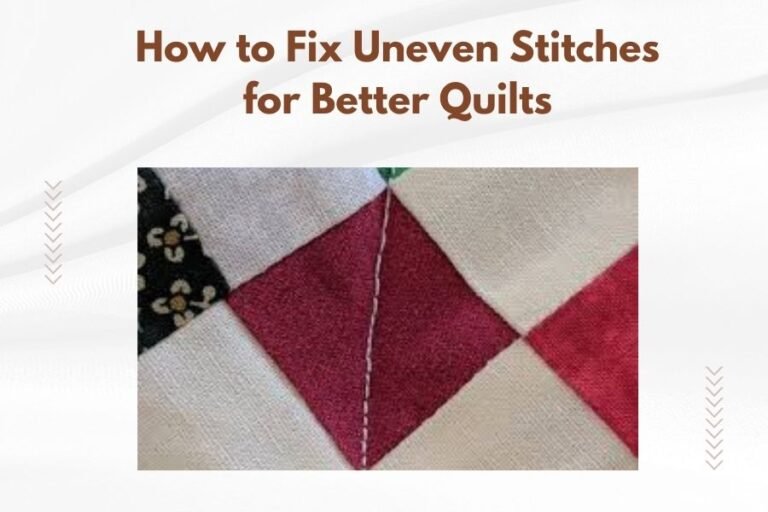
Uneven stitches happen when your quilting machine tension is wrong, your needle is dull, or you’re moving fabric at different speeds. Fix uneven stitches by adjusting thread tension, changing your…
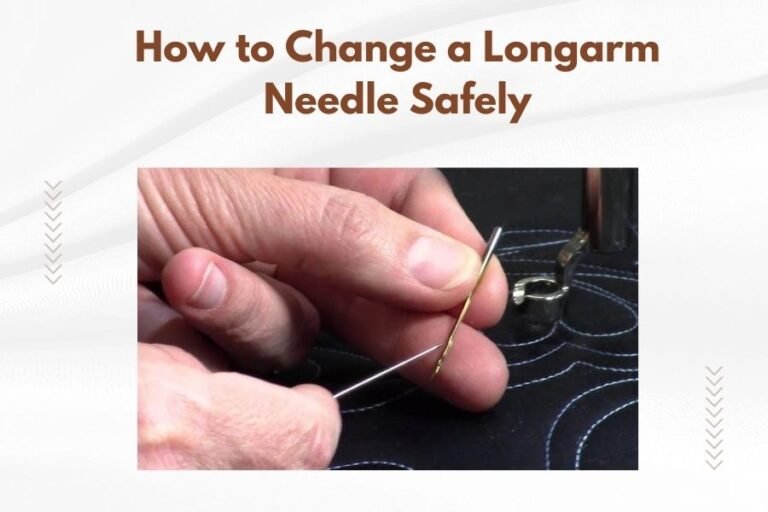
Changing a longarm needle safely requires turning off your machine, raising the needle to its highest position, and loosening the needle clamp screw before carefully removing the old needle. Always…

Quilt puckering happens when fabric layers shift during stitching, creating unwanted wrinkles and bumps that ruin your beautiful quilting work. You can prevent quilt puckering by using proper basting techniques,…
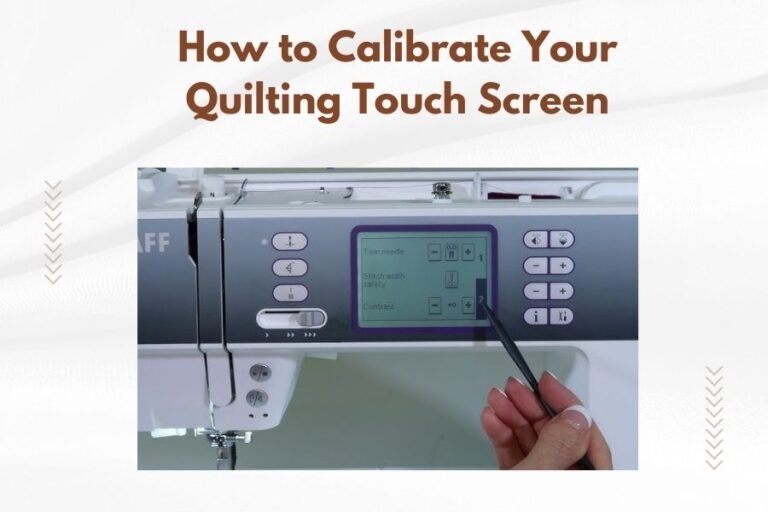
To calibrate your quilting touch screen, access the calibration settings through your machine’s menu system and follow the on-screen prompts to tap specific points on the display. Most quilting machines…
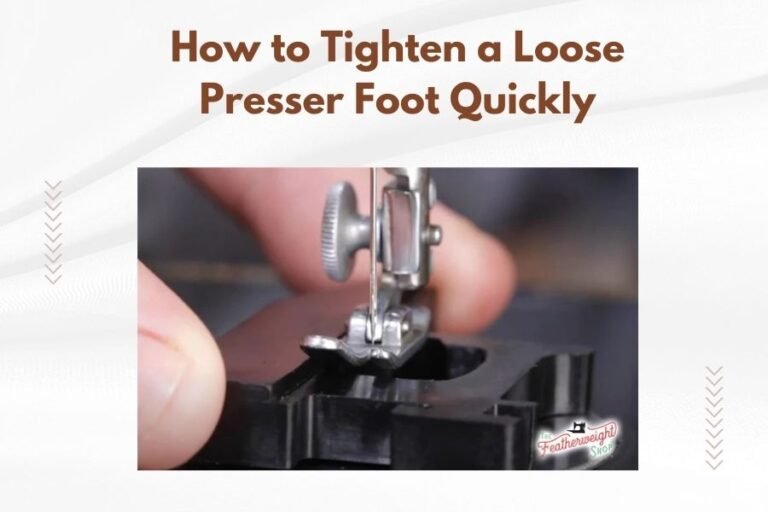
To tighten a loose presser foot quickly, turn off your sewing machine and locate the presser foot screw on the presser foot holder assembly. Use a small screwdriver to turn…

Thread shredding happens when your quilting machine needle becomes dull, your tension is too tight, or you’re using the wrong thread type for your fabric. Most quilting thread problems can…
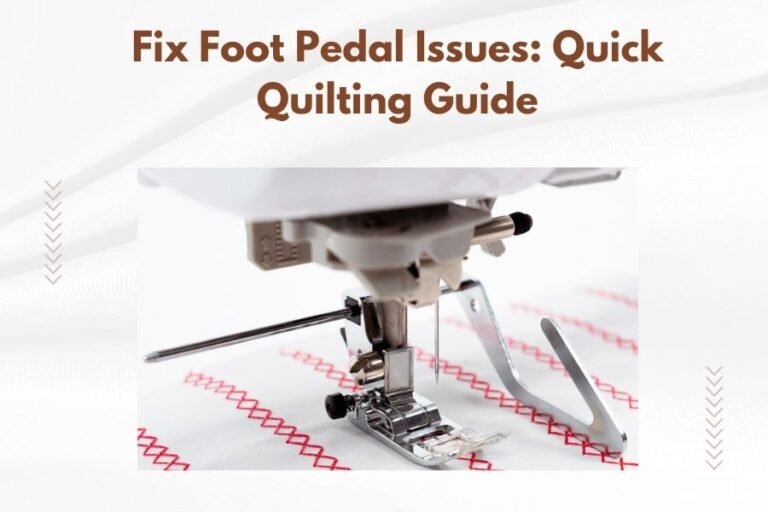
Most quilting foot pedal problems happen because of loose connections, worn cords, or dust buildup inside the pedal mechanism. You can fix foot pedal issues by checking connections first, then…

To reset a computerized quilting machine, locate the power button and hold it down for 10-15 seconds until the screen goes completely black, then restart the machine. Most computerized quilting…
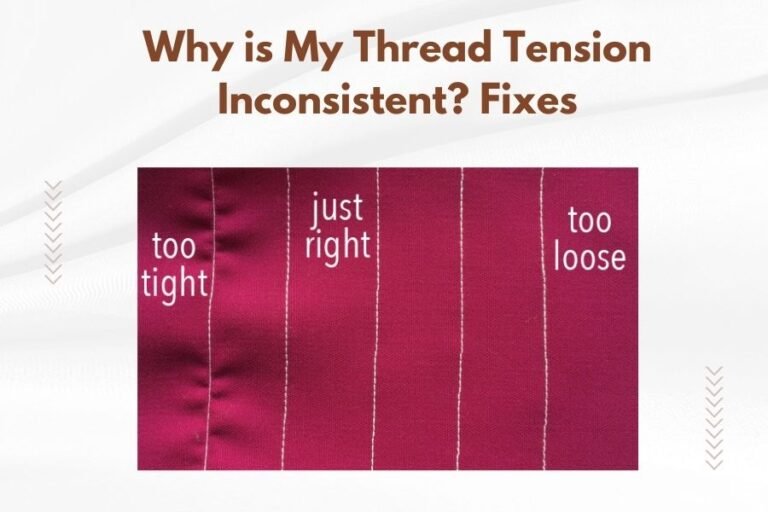
Thread tension inconsistencies happen when your machine’s upper and lower thread tensions are unbalanced, causing loose loops, tight stitches, or thread breaks. The most common fixes include cleaning your tension…
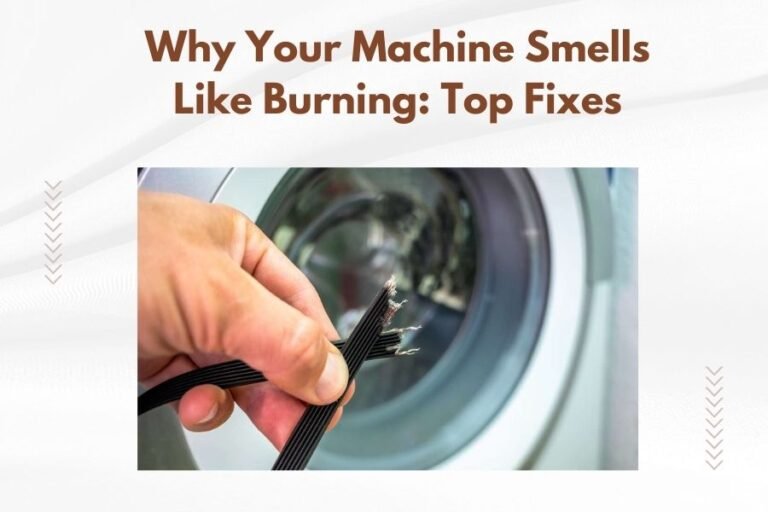
A burning smell from your quilting machine usually means lint buildup, overheating, or worn parts that need cleaning or replacement. The most common fix is cleaning out accumulated lint and…