How to Quilt Hearts: Simple Machine Designs
Quilting hearts on a machine requires three simple steps: choose a heart template, select appropriate thread and fabric, and use a straight or zigzag stitch to outline and fill the…

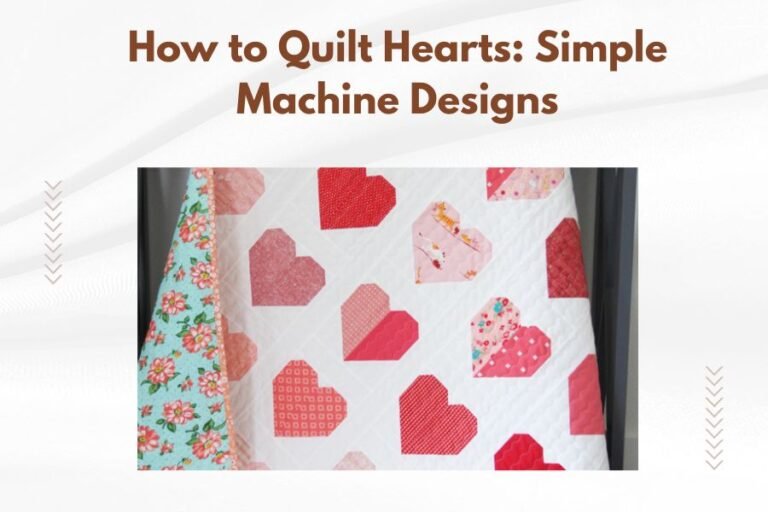
Quilting hearts on a machine requires three simple steps: choose a heart template, select appropriate thread and fabric, and use a straight or zigzag stitch to outline and fill the…

The best machine settings for bamboo batting include using a lower tension (2-3), longer stitch length (10-12 stitches per inch), and reduced presser foot pressure to prevent stretching or puckering….
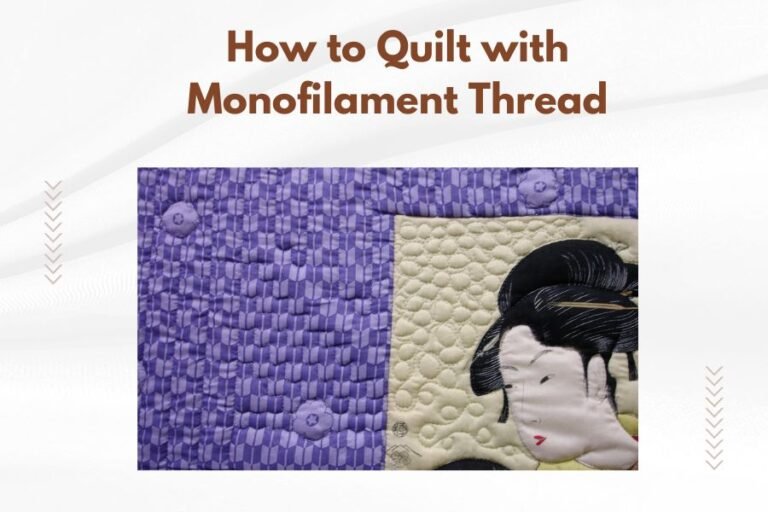
Monofilament thread is a single-strand, nearly invisible thread that creates beautiful, subtle quilting lines without distracting from your fabric patterns. You can quilt with monofilament thread by using a size…
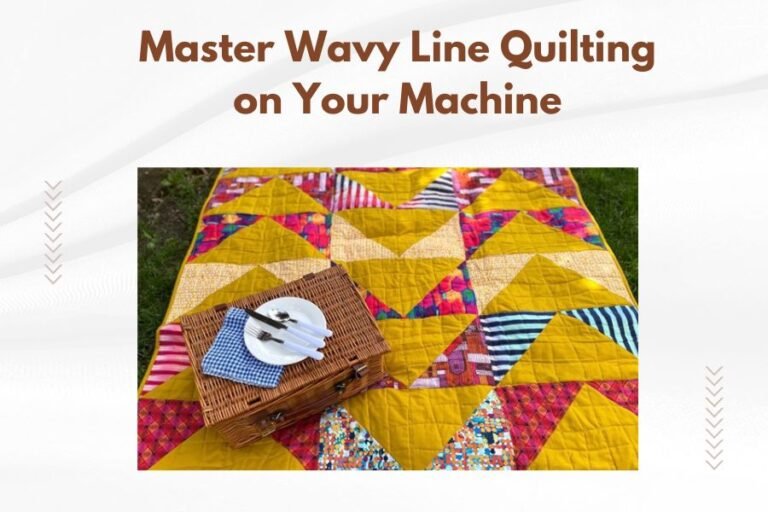
Master wavy line quilting on your machine by adjusting your free-motion foot settings and practicing smooth, consistent movements across fabric layers. You can create beautiful wavy quilting patterns using either…
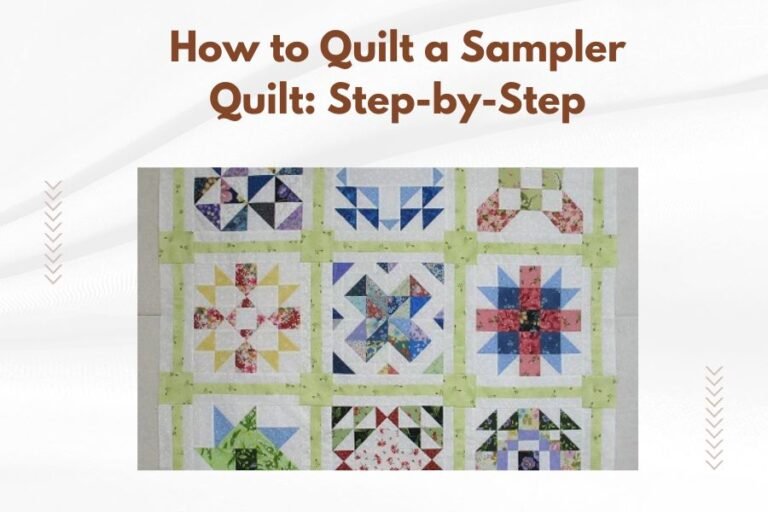
A sampler quilt combines different quilt blocks into one beautiful project, letting you practice various techniques while creating a cohesive design. To quilt a sampler quilt step-by-step, start by selecting…
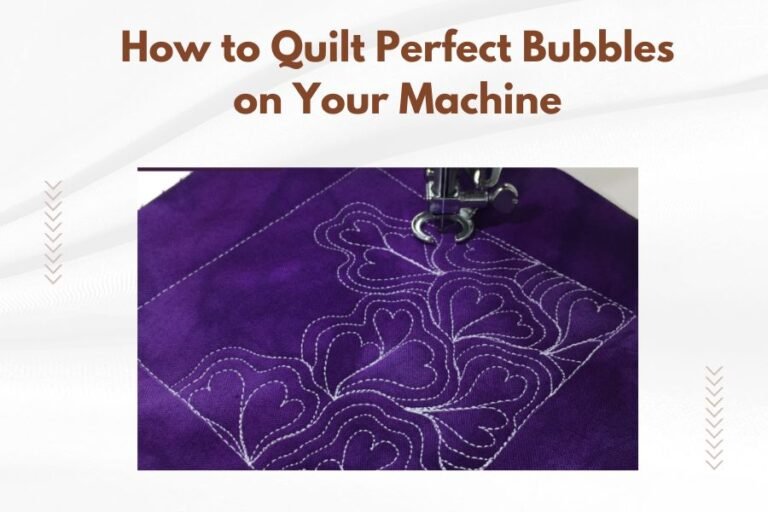
Quilting perfect bubbles on your machine requires setting your thread tension to medium-low and using a bubble quilting foot or darning foot for consistent stitch formation. The key is maintaining…
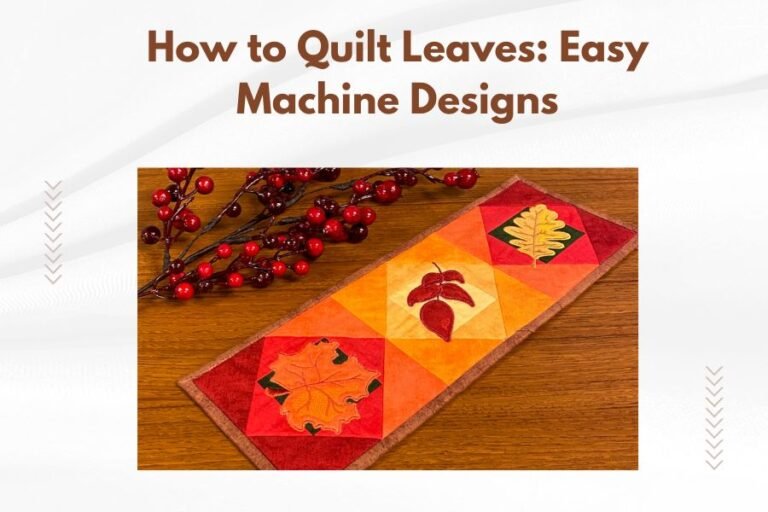
Machine quilting leaves involves using free-motion quilting or walking foot techniques to create leaf shapes, veins, and natural textures directly on your quilt layers. You can quilt leaves using simple…
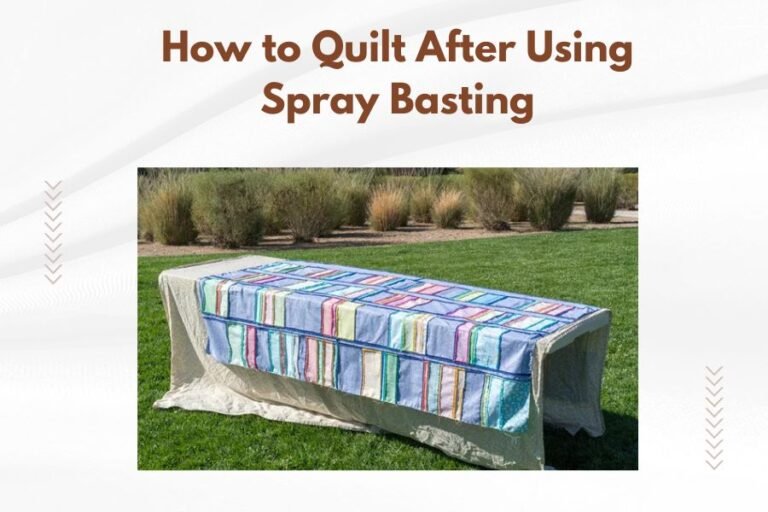
After spray basting your quilt layers, wait 10-15 minutes for the adhesive to set before you start quilting. This waiting period prevents needle gumming and ensures smooth stitching. You can…
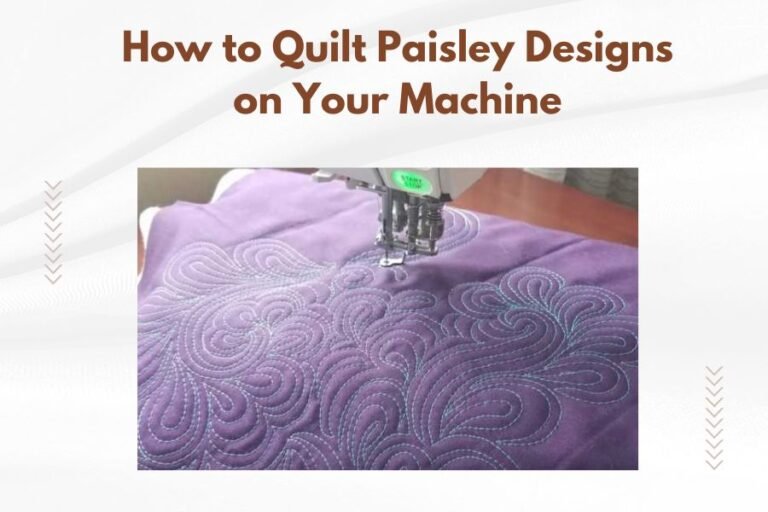
Machine quilting paisley designs requires using free-motion quilting techniques with proper thread tension and consistent hand movement patterns. You’ll need to drop your feed dogs, attach a darning foot, and…
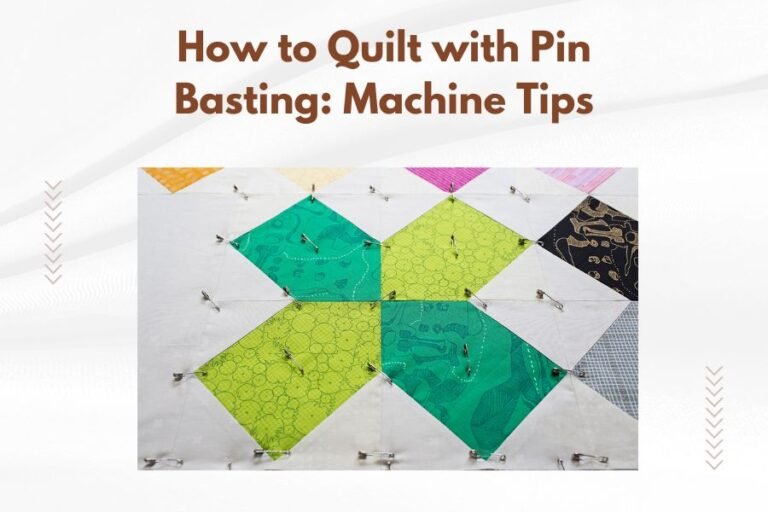
Pin basting keeps quilt layers secure during machine quilting by using safety pins placed 4-6 inches apart across the entire quilt surface. This method works better than spray basting for…