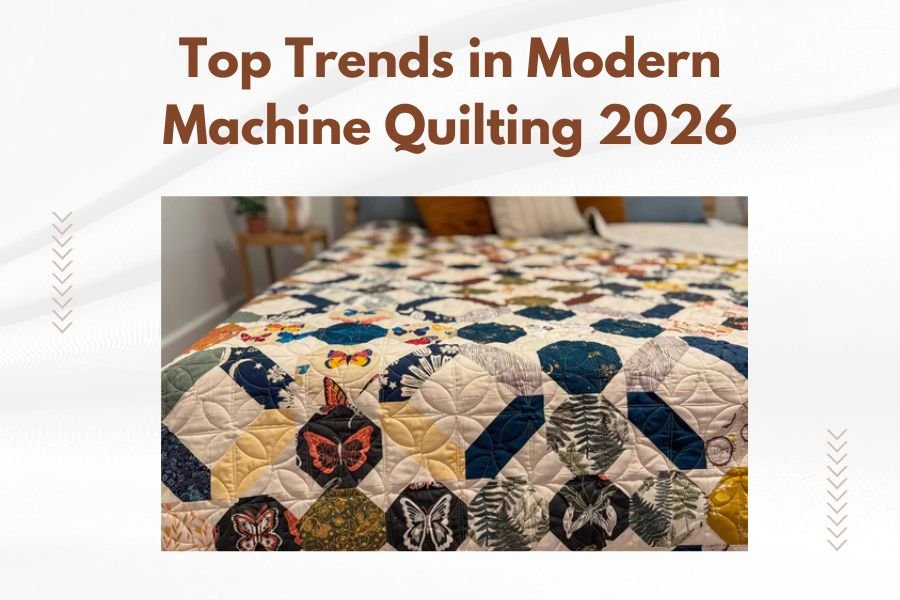
Modern machine quilting in 2026 focuses on smart technology integration, sustainable materials, and hybrid hand-machine techniques that blend traditional craftsmanship with digital precision.
You’ll find AI-powered quilting systems, eco-friendly batting options, and modular machine designs leading the top trends transforming how quilters create beautiful projects today.
Smart Technology Integration Takes Center Stage
Your quilting machine is getting smarter every year. AI-powered features now help you plan stitching patterns and adjust tension automatically.
I found that many new machines include built-in cameras that scan your fabric. They detect seam lines and suggest the best quilting paths. This saves you hours of marking and measuring.
Voice Control Features
You can now tell your machine to start, stop, or change patterns using voice commands. It feels like having a quilting assistant right beside you.
Some machines even respond to simple phrases like “move left two inches” or “increase stitch length.” This keeps your hands free to guide fabric smoothly.
App-Connected Quilting
Your smartphone connects directly to modern quilting machines. You can download new patterns, update machine software, and track your project progress.
I came across several apps that let you photograph your quilt blocks. The app then generates matching quilting designs automatically.
Sustainable Materials Drive Eco-Friendly Quilting
Green quilting isn’t just trendy. It’s becoming the standard way forward for conscious crafters like you.
Recycled Batting Options
You’ll find batting made from recycled plastic bottles, old cotton clothing, and even bamboo fibers. These materials quilt beautifully while reducing waste.
Research shows that recycled polyester batting performs just as well as traditional options. It’s also more affordable than premium cotton batting.
Organic Thread Selection
Thread manufacturers now offer organic cotton, hemp, and linen options. These threads work perfectly in machine quilting without harsh chemicals.
You get richer colors that won’t fade over time. Plus, they’re gentler on sensitive skin when you’re handling finished quilts.
Water-Based Fabric Dyes
Fabric companies switched to water-based dyes instead of chemical alternatives. This means safer quilting materials for your family and the environment.
Hybrid Hand-Machine Techniques Gain Popularity
Why choose between hand quilting and machine work? You don’t have to anymore.
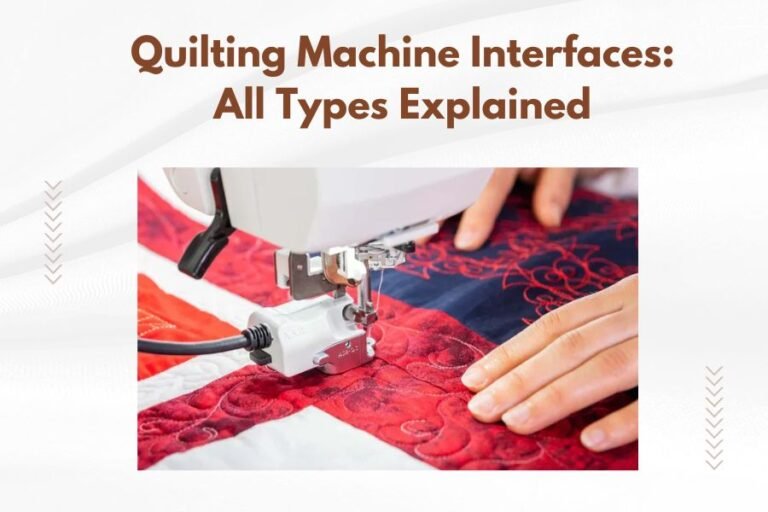
Modern quilters combine both methods in single projects. You might machine quilt the main areas, then add hand-stitched details for texture and personality.
Slow Stitching Movement
You’re seeing more quilters slow down their process intentionally. They use machines for speed, then hand-stitch borders and binding.
This approach gives you the best of both worlds. Quick progress on large areas, plus the meditative joy of hand work.
Mixed Media Quilting
Your quilts can now include embroidered elements, painted sections, and even small beaded areas alongside traditional piecing.
I found online communities where quilters share photos of mixed media projects. The creativity is amazing.
Modular Machine Design Revolution
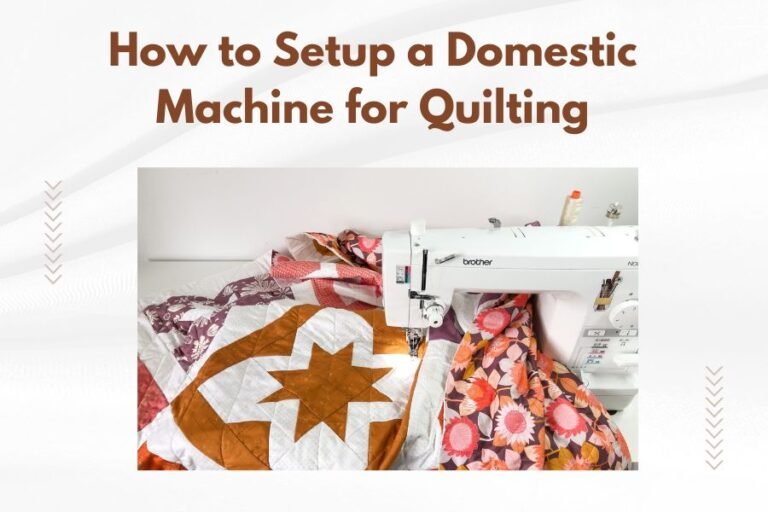
Quilting machines are becoming more flexible. You can add or remove features based on your current projects.
Interchangeable Throat Spaces
Some new machines let you swap between different throat sizes. Use a compact throat for detailed work, then switch to an extended throat for large quilts.
This saves you money and storage space. One machine handles multiple quilting styles perfectly.
Modular Stitch Regulators
You can now upgrade your stitch regulator without buying a whole new machine. Companies sell improved regulators as separate modules.
When better technology comes out, you simply plug in the new component. Your machine stays current for years longer.
Portable Extension Tables
Extension tables now fold completely flat for storage. You can set up a large quilting surface anywhere, then pack it away easily.
Advanced Pattern Libraries and Design Software
Your pattern options just exploded beyond anything we’ve seen before.
| Pattern Type | Traditional Method | 2026 Technology |
|---|---|---|
| Edge-to-Edge | Paper pantographs | Digital downloads with auto-scaling |
| Custom Motifs | Hand drawing | AI-generated designs from photos |
| Block Quilting | Ruler work | Block-scanning pattern suggestions |
AI Pattern Generation
You can now upload a photo of any object. The AI creates a quilting pattern inspired by that image in minutes.
I heard from experts that these patterns are getting incredibly detailed. You might photograph a leaf and get a botanically accurate quilting design.
Cloud-Based Pattern Storage
All your patterns save automatically to the cloud. You access them from any compatible machine, anywhere.
No more lost pattern files or trying to remember which USB drive has your favorite designs.
Precision Quilting with Laser Guides
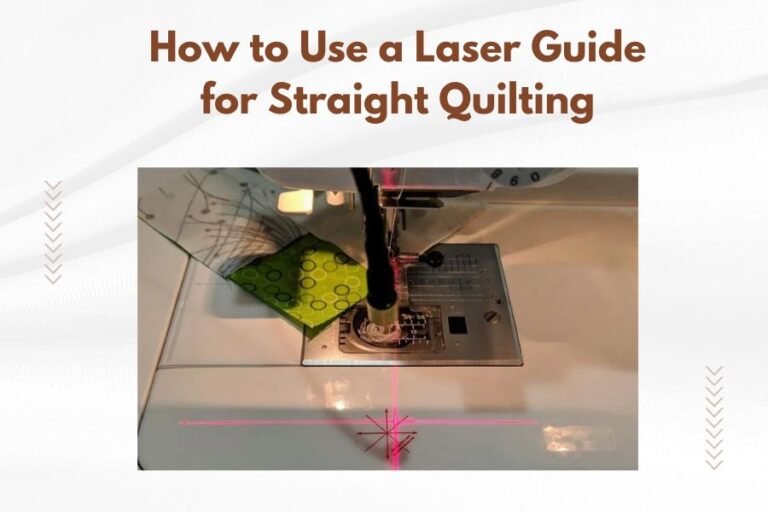
Laser technology makes your stitching incredibly accurate. You see exactly where your needle will go before you stitch.
Multi-Point Laser Systems
New machines project multiple laser points around your needle. This shows you the complete stitch path and helps maintain consistent spacing.
You’ll never accidentally quilt outside your planned area again. The lasers keep you perfectly on track.
Adjustable Laser Brightness
You can adjust laser intensity based on fabric color. Dark fabrics get brighter lasers, while light fabrics use dimmer settings.
Improved Tension and Feed Systems
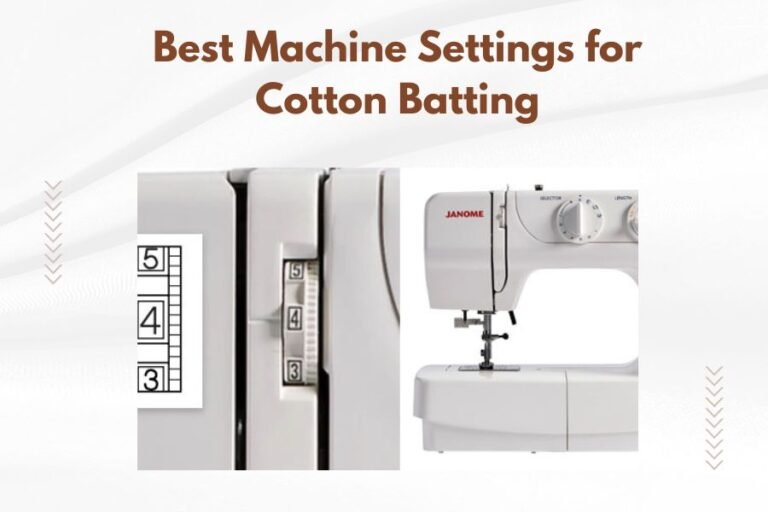
Thread tension problems are becoming rare. New machines monitor and adjust tension automatically as you quilt.
Adaptive Tension Control
Your machine senses fabric thickness and thread weight. It adjusts upper and bobbin tension to match these conditions instantly.
No more stopping to fiddle with tension dials. The machine handles these adjustments while you focus on creative decisions.
Enhanced Feed Dog Systems
Feed dogs now move in multiple directions, not just forward and back. This gives you smoother fabric movement in free-motion quilting.
Many experts say this reduces fabric puckering significantly. Your finished quilts lay flatter with better stitch quality.
Community-Driven Design Sharing
Quilting communities are more connected than ever. You can share patterns, get feedback, and collaborate on designs globally.
Real-Time Design Collaboration
Multiple quilters can work on the same digital pattern simultaneously. You might design motifs while someone else creates borders.
This opens up amazing possibilities for guild projects and online friendships.
Pattern Rating and Review Systems
Before downloading patterns, you can read reviews from other quilters. They share photos of finished projects and rate pattern difficulty.
This helps you choose patterns that match your skill level and time available.
Ergonomic Design Focus
Machine manufacturers finally understand that comfort matters for long quilting sessions.
Adjustable Height Systems
Your machine table adjusts to your perfect working height. Some even remember multiple user preferences for shared spaces.
Anti-Fatigue Features
New machines include cushioned handles, vibration dampening, and noise reduction technology. You can quilt longer with less physical strain.
Conclusion
Modern machine quilting in 2026 offers you incredible opportunities to create stunning quilts with less effort and more precision than ever before. Smart technology, sustainable materials, and improved ergonomics work together to make quilting more enjoyable and accessible.
You don’t need to adopt every trend at once. Start with one or two features that excite you most. Whether that’s trying eco-friendly batting or exploring AI-generated patterns, these trends will enhance your quilting journey significantly.
What’s the biggest advantage of AI-powered quilting machines?
AI machines automatically adjust tension, suggest optimal quilting paths, and can generate custom patterns from your photos. This saves you hours of setup time and reduces common quilting mistakes significantly.
Are sustainable quilting materials as durable as traditional options?
Yes, recycled and organic quilting materials perform just as well as conventional materials. Many actually last longer because they use improved manufacturing processes and higher-quality base fibers.
How much do modular quilting machines typically cost?
Modular machines start around $3,000 for basic models, with professional versions reaching $15,000. The advantage is you can upgrade components individually instead of replacing the entire machine every few years.
Can older quilting machines be upgraded with new technology?
Some features like laser guides and stitch regulators can be added to compatible older machines. Check with your machine manufacturer about retrofit options before investing in completely new equipment.
What’s the learning curve for voice-controlled quilting machines?
Most quilters master basic voice commands within a few hours of practice. The machines learn your speech patterns over time, making recognition more accurate with regular use.