Mid-arm quilting machines have 12-18 inches of throat space, while longarm machines offer 18+ inches of workspace for larger quilts.
The main differences between mid-arm vs. longarm machines include throat space, quilting area, price, and workspace requirements.
What Are Mid-Arm and Longarm Quilting Machines?
Think of quilting machines like different sized desks. A mid-arm machine is your comfortable office desk – plenty of room for most projects. A longarm machine? That’s like having a conference table – massive space for the biggest jobs.
Mid-arm machines sit between regular home machines and full longarm systems. They give you professional quilting power without taking over your entire room.
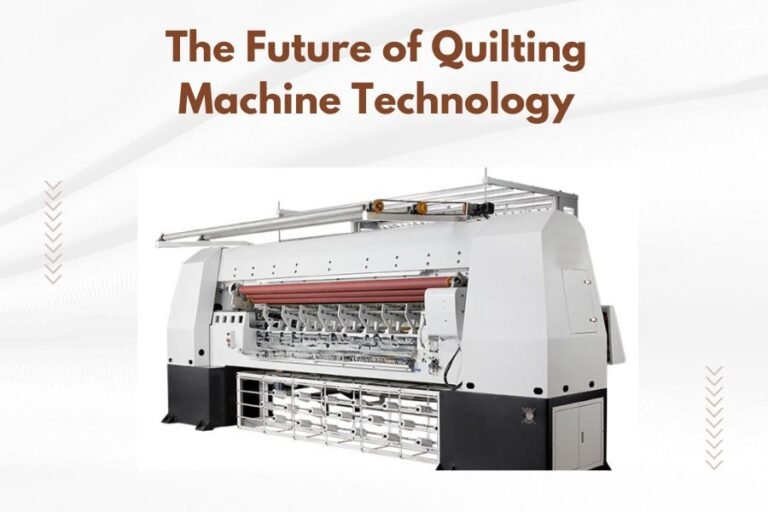
Longarm machines are the workhorses of professional quilting studios. They handle king-size quilts like your home machine handles a pillowcase.
Size and Throat Space Comparison
Mid-Arm Machine Dimensions
Mid-arm machines typically offer 12 to 18 inches of throat space. This means you can quilt areas up to 18 inches wide in a single pass.
Most mid-arm setups need about 8 to 10 feet of room length. That’s roughly the size of a small bedroom or large walk-in closet.
Longarm Machine Dimensions
Longarm machines start at 18 inches and can go up to 30 inches of throat space. The most common sizes are 20, 24, and 26 inches.
You’ll need 12 to 14 feet of room length for most longarm setups. Some quilters convert entire garages or spare rooms for their longarm machines.
Which Size Works for Your Projects?
Ask yourself: what’s the biggest quilt you make regularly? If you mostly create lap quilts and throws, a mid-arm handles those beautifully.
Do you dream of quilting king-size masterpieces? Or maybe you want to start a quilting business? Then longarm might be your answer.
Quilting Capacity and Project Types
What Mid-Arms Handle Best
Mid-arm machines shine with baby quilts, wall hangings, and queen-size projects. You can absolutely quilt larger pieces – it just takes more repositioning.
I found that many quilters love mid-arms for detailed work. The smaller throat space actually helps with precision on intricate designs.
Longarm Project Advantages
Longarm machines make quick work of bed-sized quilts. You can quilt edge-to-edge patterns on a king quilt in a few hours instead of days.
Professional quilters often choose longarms because they can finish customer quilts faster. Time equals money in the quilting business.
Price Differences You Should Know
Mid-Arm Investment Range
New mid-arm machines typically cost $8,000 to $25,000. That includes the machine head and frame system.
You can find quality used mid-arms starting around $4,000. Many quilters upgrade from mid-arm to longarm and sell well-maintained machines.
Longarm Price Expectations
Longarm machines start around $15,000 and can reach $50,000 or more for computerized systems with all the bells and whistles.
The frame alone can cost $3,000 to $8,000. Don’t forget to budget for quilting supplies, thread, and maintenance.
Hidden Costs to Consider
Both machine types need regular maintenance. Professional servicing runs $200 to $500 annually.
You’ll use more thread and batting when you start quilting larger projects. Budget an extra $50 to $100 monthly for supplies.
Space and Setup Requirements
Mid-Arm Space Planning
Most mid-arm setups fit in a spare bedroom or basement area. You need about 8 feet by 4 feet of floor space minimum.
Consider ceiling height too. You’ll want at least 8 feet of clearance for loading quilts comfortably.
Longarm Room Needs
Longarm machines need dedicated space. Many quilters convert garages, basements, or add studio rooms.
Plan for 12 to 14 feet length and 6 to 8 feet width. You also need walking space around the entire frame.
Can You Move These Machines?
Mid-arm machines break down into manageable pieces. Two people can usually move a mid-arm setup in a few hours.
Longarm machines? They’re semi-permanent installations. Moving one requires professional help and careful planning.
Learning Curve and Skill Development
Getting Started with Mid-Arms
Most quilters find mid-arms easier to learn. The smaller workspace feels less overwhelming when you’re starting out.
You can practice on smaller projects and build confidence before tackling bigger quilts.
Longarm Learning Process
Longarms have a steeper learning curve. The large workspace takes time to master, and managing big quilts requires technique.
Many longarm owners take classes or workshops. Some manufacturers offer multi-day training programs.
Speed and Productivity Comparison
Daily Quilting Output
A skilled mid-arm quilter might finish 2-3 lap quilts or 1 large quilt daily. Longarm quilters often complete 3-5 quilts of various sizes.
Speed depends on design complexity and your skill level. Simple edge-to-edge patterns go much faster than custom work.
Business Potential
Both machines can generate income. Mid-arm quilters often focus on higher-end custom work with detailed quilting.
Longarm quilters typically handle more volume. They can offer competitive prices on larger quilts due to faster completion times.
Maintenance and Upkeep
Daily Care Requirements
Both machine types need regular cleaning and oiling. Plan to spend 10-15 minutes on maintenance after each quilting session.
Longarm machines have more mechanical parts that need attention. The larger frame systems require more lubrication points.
Professional Service Needs
Annual professional tune-ups keep both machines running smoothly. Longarm machines might need service twice yearly with heavy use.
Parts availability is generally good for both types. Most manufacturers stock common replacement parts.
Which Machine Type Fits Your Goals?
Choose Mid-Arm If You:
- Have limited space but want professional results
- Primarily make smaller quilts and detailed work
- Want lower initial investment
- Prefer learning gradually with manageable projects
- Plan to move your setup occasionally
Choose Longarm If You:
- Have dedicated studio space available
- Want to quilt king-size projects efficiently
- Plan to start a quilting business
- Can invest in the higher upfront costs
- Want maximum quilting speed and capacity
Making Your Final Decision
Here’s what I found works best: visit dealers and try both types. Many shops offer hands-on demos where you can feel the difference.
Talk to other quilters in your area. Join online forums and ask about real-world experiences with both machine types.
Consider renting studio time on different machines before buying. Some shops offer hourly rates so you can test drive before investing.
Conclusion
The choice between mid-arm vs. longarm machines comes down to your space, budget, and quilting goals. Mid-arms offer professional results in smaller spaces with lower investment. Longarms provide maximum capacity and speed for serious quilters and business owners.
Both types create beautiful quilts when matched to the right quilter. Consider your current needs, but also think about where your quilting journey might lead. The best machine is the one you’ll actually use and enjoy.
Remember, you’re not locked into your choice forever. Many quilters start with mid-arms and upgrade to longarms as their skills and space grow. Others find their mid-arm does everything they need and never feel the urge to go bigger.
What’s the main advantage of a mid-arm over a longarm quilting machine?
Mid-arm machines require less space and cost significantly less than longarms while still providing professional-quality quilting results. They’re easier to learn on and can be relocated if needed, making them perfect for quilters with space or budget constraints.
Can you make money with a mid-arm quilting machine?
Yes, many quilters run successful businesses with mid-arm machines by focusing on custom quilting, detailed work, and smaller specialty projects. While you may not achieve the volume of a longarm, you can charge premium prices for intricate quilting services.
How much space do you really need for each machine type?
A mid-arm setup needs approximately 8-10 feet by 4 feet of floor space, while longarm machines require 12-14 feet by 6-8 feet. Both need additional walking space around the frame and at least 8-foot ceiling clearance for comfortable quilt loading.
Is it harder to learn quilting on a longarm machine?
Longarm machines do have a steeper learning curve due to their size and the technique required to manage large quilts. However, many quilters successfully start with longarms, especially if they take proper training classes and practice regularly with different quilt sizes.
Do longarm machines really quilt faster than mid-arms?
Yes, longarms typically quilt 2-3 times faster than mid-arms on large projects because they cover more area per pass and require less repositioning. However, for smaller quilts or detailed custom work, the speed difference becomes much less significant.