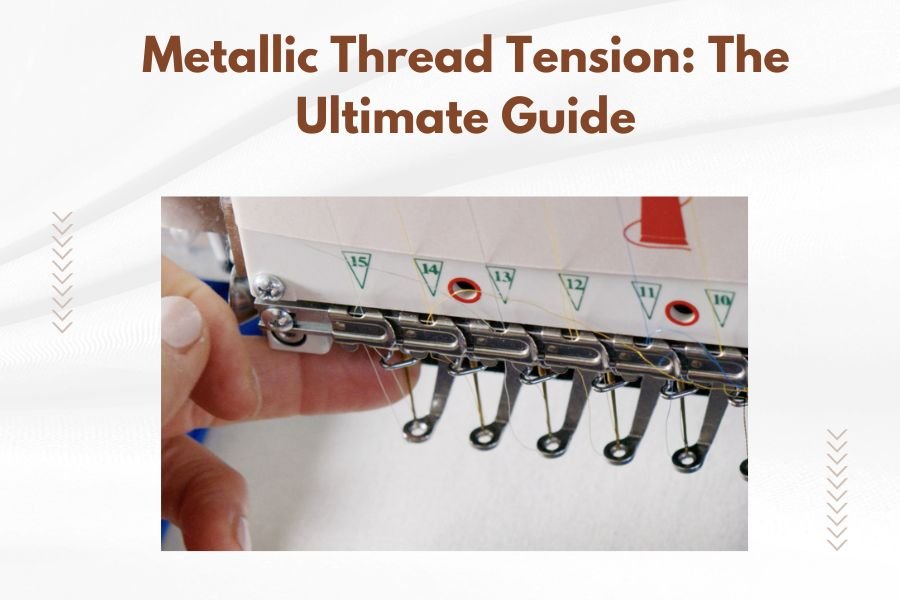
Metallic thread tension should be set 20-30% lower than regular thread to prevent breakage and achieve smooth stitching on quilting machines.
Start with your machine’s lowest tension setting and gradually increase until the metallic thread lies flat without puckering your fabric.
Why Metallic Thread Behaves Differently
You’ve probably noticed metallic thread doesn’t play by the same rules as cotton thread. That’s because metallic threads are made with a thin metal foil wrapped around a polyester core. This construction makes them less flexible and more prone to breaking.
Think of metallic thread like a delicate ribbon instead of sturdy rope. It needs gentler handling at every step of your quilting process.
The Science Behind Metallic Thread Structure
When I researched metallic thread construction, I found that most brands use aluminum or silver foil laminated to a polyester film. This foil can crack or tear when pulled too tightly through your machine’s tension discs.
Regular polyester thread stretches about 15-20% before breaking. Metallic thread only stretches 3-5% before the foil coating fails.
Heat Sensitivity Issues
Your needle gets hot when quilting at high speeds. Metallic threads are more sensitive to this heat than cotton or polyester threads. The foil coating can actually melt or become brittle.
Setting Up Your Machine for Success
Getting metallic thread tension right starts before you even thread your machine. You need to make several adjustments beyond just the tension dial.
Needle Selection Makes a Difference
Use a size 90/14 or 100/16 needle with metallic thread. The larger eye reduces friction as the thread passes through. I found that embroidery needles work better than universal needles because they have a special scarf design.
Change your needle after every 8 hours of quilting with metallic thread. The metal coating creates more wear than regular thread.
Thread Path Modifications
Skip one or two thread guides in your machine’s threading path. This reduces the number of contact points where friction can build up. Many experts recommend bypassing the last guide before the needle.
If your machine has a horizontal spool pin, use it. Metallic thread feeds more smoothly from a horizontal position than vertical.
Step-by-Step Tension Adjustment Process
Here’s the method I found works best for dialing in metallic thread tension. Start with these settings and adjust from there.
Initial Settings
Set your upper tension to 1 or 2 (the lowest settings). Set your bobbin tension to normal – don’t change it yet. Choose a stitch length of 2.5-3.0mm for better thread stability.
Test Stitching Method
Use a quilt sandwich with the same batting and fabric you’ll use for your project. Stitch a 4-inch line of straight stitching. Look at both sides of your fabric.
Perfect tension shows the metallic thread lying flat on top with no bobbin thread visible. The bobbin thread should show tiny dots on the back, not loops.
Too Loose Signs
- Metallic thread looks loopy on top
- Bobbin thread pulls to the surface
- Stitches look uneven
Too Tight Signs
- Fabric puckers around stitches
- Metallic thread breaks frequently
- Thread looks stressed or frayed
Common Metallic Thread Problems and Solutions
Even with perfect tension, metallic thread can be fussy. Here are the most common issues you’ll face and how to fix them.
Constant Thread Breaking
Thread breaks usually mean your tension is too tight, but not always. Check these other factors first:
- Slow down your stitching speed to 400-600 stitches per minute
- Clean lint from your tension discs
- Check for rough spots on your needle plate
- Make sure your thread isn’t old or stored in hot conditions
Uneven Stitch Quality
Inconsistent stitches often come from the thread feeding unevenly. Try placing your thread spool on a thread stand behind your machine. This creates a straighter thread path.
Some quilters put their metallic thread in a small bowl next to the machine. The thread feeds more smoothly without spinning the spool.
Skipped Stitches
When your machine skips stitches with metallic thread, the needle usually isn’t picking up the bobbin thread properly. This happens when the metallic thread doesn’t form a good loop behind the needle.
Try a slightly larger needle or reduce your stitching speed. The needle needs more time to create a proper loop with metallic thread.
Different Types of Metallic Thread
Not all metallic threads are created equal. Each type needs slightly different tension settings.
Flat Metallic Thread
This looks like tiny ribbon and is the most challenging to work with. Use your machine’s lowest tension setting and stitch very slowly. Some machines have a special flat thread guide – use it if you have one.
Twisted Metallic Thread
Easier to handle than flat thread but still needs reduced tension. Start with tension setting 2-3 and adjust from there.
Metallic-Wrapped Thread
These have a polyester core wrapped with metallic fibers. They’re the most forgiving type and can often handle normal tension settings with minor adjustments.
Machine-Specific Tips
Different quilting machines handle metallic thread differently. Here’s what I found works for common machine types.
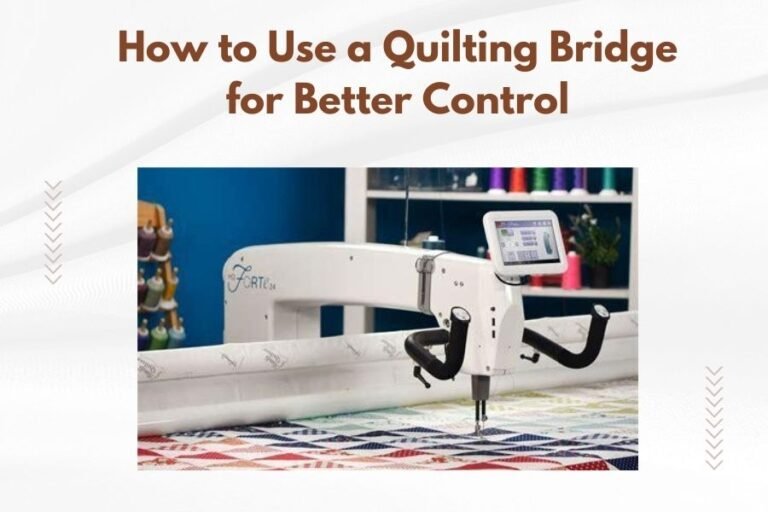
Longarm Quilting Machines
Longarms usually have more tension control options. Use the bypass mode if your machine has it. This completely bypasses the upper tension assembly.
Set your stitch regulator to precision mode rather than cruise mode. The consistent stitch length helps prevent thread breaks.
Domestic Sewing Machines
Many domestic machines have a specialized metallic thread setting. Use it as your starting point, then fine-tune from there.
If your machine doesn’t have this setting, start with the embroidery tension setting – it’s usually gentler than regular sewing tension.
Troubleshooting Tension Problems
When metallic thread isn’t cooperating, work through these solutions in order.
Quick Fixes First
Re-thread your entire machine. Metallic thread can catch in places you don’t notice. Clean your tension discs with a soft cloth. Lint builds up faster with metallic thread.
Check your bobbin thread too. Old or poor-quality bobbin thread can cause tension problems even when your metallic thread is perfect.
Advanced Adjustments
If basic fixes don’t work, you might need to adjust your bobbin tension slightly. Turn the small screw on your bobbin case clockwise by tiny amounts – just 1/8 turn at a time.
Remember: righty-tighty increases tension, lefty-loosey decreases it. Mark your original position with a permanent marker so you can return to it.
Maintaining Your Machine When Using Metallic Thread
Metallic thread creates more lint and residue than regular thread. Your machine needs extra attention during metallic thread projects.
Daily Cleaning Steps
Remove your needle plate and clean out all lint after each quilting session. Use compressed air to blow out areas you can’t reach with a brush.
Wipe down your tension discs with a lint-free cloth. The metallic coating can leave microscopic particles that affect tension.
Weekly Maintenance
Oil your machine more frequently when using metallic thread regularly. The extra friction requires more lubrication than normal quilting.
| Thread Type | Starting Tension | Needle Size | Speed Setting |
|---|---|---|---|
| Flat Metallic | 1 | 90/14 | 400 SPM |
| Twisted Metallic | 2-3 | 90/14 | 500 SPM |
| Metallic-Wrapped | 3-4 | 80/12 | 600 SPM |
Conclusion
Getting metallic thread tension right takes patience and practice. Start with lower tension settings than you’d use for regular thread. Make small adjustments and test frequently on fabric scraps.
Remember that every brand of metallic thread behaves slightly differently. What works for one brand might need tweaking for another. Keep notes about successful settings for each thread you use.
Don’t get discouraged if metallic thread seems difficult at first. Once you understand how it behaves and what it needs, you’ll create beautiful quilts with that special metallic sparkle.
What’s the best bobbin thread to use with metallic thread?
Use high-quality polyester bobbin thread in a neutral color like gray or beige. Cotton bobbin thread can create tension issues because it has different stretch properties than metallic thread. Some quilters prefer prewound bobbins for more consistent tension.
Can I use metallic thread in my bobbin?
It’s possible but not recommended for most projects. Metallic thread in the bobbin requires very loose bobbin tension and creates more lint buildup. If you must use it in the bobbin, wind it by hand at slow speed to prevent stretching the thread.
Why does my metallic thread keep shredding even with low tension?
Shredding usually indicates a rough spot somewhere in your thread path. Check your needle eye for burrs, examine your thread guides for rough edges, and make sure your needle plate is smooth. Also verify you’re using a large enough needle size for your thread weight.
How do I store metallic thread to prevent problems?
Store metallic thread in a cool, dry place away from direct sunlight. Heat can make the metallic coating brittle. Keep spools in a closed container to prevent dust buildup. Old metallic thread becomes more difficult to work with, so use newer thread when possible.
Should I change any other machine settings besides tension for metallic thread?
Yes, reduce your stitching speed to 400-600 stitches per minute and increase your stitch length to 2.5-3.0mm. If your machine has pressure adjustment, reduce the presser foot pressure slightly. These changes reduce stress on the delicate metallic thread.