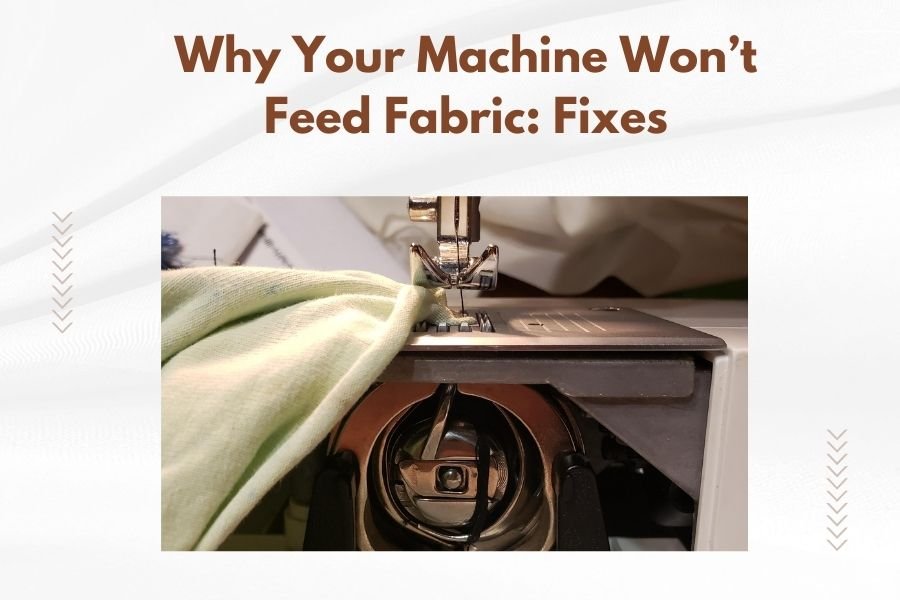
Your sewing machine won’t feed fabric properly because of issues with the feed dogs, presser foot pressure, or thread tension problems.
Most fabric feeding issues happen when feed dogs get clogged with lint, the presser foot pressure is wrong, or you’re using the wrong needle size for your fabric type.
Quick Fixes You Can Try Right Now
Before you panic, let me walk you through the fastest solutions. These work for about 80% of feeding problems I’ve seen.
First, check if your feed dogs are up. Look at the metal teeth under your presser foot. They should be visible and moving up and down when you turn your handwheel. If they’re down, find the feed dog lever and raise them.
Next, clean out any lint. Turn off your machine and remove the needle plate. You’ll probably find a fuzzy mess around the feed dogs. Use a small brush to clean it out.
The 30-Second Pressure Test
Lift your presser foot and slide a piece of paper under it. Lower the foot and try to pull the paper out. It should have some resistance but still move. Too tight? Your pressure is too high. Slides out like butter? Too low.
Understanding Your Machine’s Feeding System
Think of fabric feeding like a sandwich. The feed dogs are the bottom piece of bread, pushing up. The presser foot is the top piece, holding down. Your fabric is the filling in between.
When this system works right, your fabric moves smoothly. When something goes wrong, you get bunching, skipping, or fabric that won’t move at all.
Feed Dogs: The Real Workers
Those little metal teeth do all the heavy lifting. They grab your fabric and pull it along stitch by stitch. When they get gummed up with thread bits and fabric fibers, they can’t grip properly.
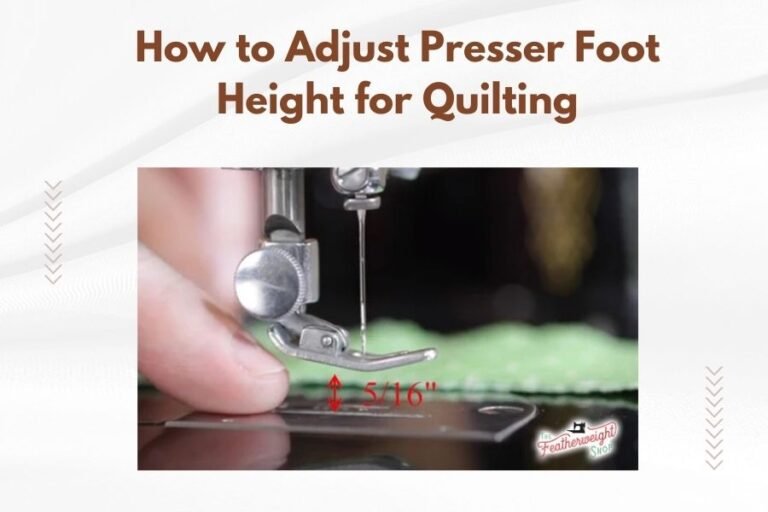
Presser Foot Pressure Matters More Than You Think
Too much pressure squishes your fabric flat. The feed dogs can’t get a good grip. Too little pressure lets fabric slip around instead of moving forward steadily.
Most Common Feeding Problems and Solutions
Problem: Fabric Won’t Move at All
This usually means your feed dogs are lowered or completely jammed. Check that feed dog lever first. If it’s up, you probably have a serious lint blockage.
Remove your needle plate and bobbin case. Clean everything you can reach with a small brush. I found that most machines need this deep cleaning every few months, depending on how much you sew.
When to Call for Help
If cleaning doesn’t work, your feed dog mechanism might be broken inside. This needs professional repair. Don’t try to force anything.
Problem: Fabric Bunches Up Under the Needle
This frustrating issue usually comes from wrong thread tension or presser foot pressure. Your machine is trying to sew, but the fabric isn’t moving fast enough to keep up.
Try reducing your presser foot pressure first. Then check your thread tension. Both top and bobbin tension need to be balanced.
The Tension Balance Test
Thread your machine with two different colored threads – one on top, one in the bobbin. Sew a test line. The threads should lock together in the middle of your fabric layers. If you see one color on the wrong side, adjust that thread’s tension.
Problem: Fabric Feeds Unevenly
Some spots move fine, others drag or skip? Your feed dogs might have uneven wear or damage. Check each tooth carefully. They should all be the same height.
Bent or worn feed dog teeth need replacement. This is definitely a job for your sewing machine repair person.
Fabric-Specific Feeding Issues
Lightweight Fabrics Like Silk or Chiffon
Delicate fabrics need gentle handling. Reduce your presser foot pressure and use a smaller needle. A size 9 or 11 works well for most lightweight materials.
Consider using tissue paper under your fabric. Sew right through it, then tear it away. This gives the feed dogs something substantial to grab.
Heavy Fabrics Like Denim or Canvas
Thick materials need more pressure and a stronger needle. Increase your presser foot pressure gradually until the fabric feeds smoothly.
Use a size 16 or 18 needle for heavy fabrics. A dull needle will cause all sorts of feeding problems because it can’t penetrate cleanly.
Stretchy Fabrics Like Knits
Knit fabrics want to stretch instead of feed properly. Use a walking foot if you have one. It helps move the top layer at the same speed as the bottom.
Reduce your presser foot pressure for knits. Too much pressure stretches the fabric as it feeds, creating wavy seams.
Advanced Troubleshooting Steps
Check Your Needle
A bent or dull needle causes more problems than you might think. It can push fabric down instead of piercing cleanly, messing up the feeding action.
Change your needle after every project or 8 hours of sewing time. I know it seems wasteful, but fresh needles prevent so many headaches.
Examine Your Thread Path
Thread that doesn’t flow smoothly can affect fabric feeding. Check every guide and tension disk. Make sure your thread isn’t catching anywhere.
Re-thread your entire machine, including the bobbin. Sometimes threading looks right but isn’t quite correct.
Thread Quality Makes a Difference
Cheap thread breaks down and creates lint faster. It also doesn’t flow as smoothly through your machine. Quality thread actually saves you maintenance time.
Timing Issues
If your machine’s timing is off, the needle and feed dogs won’t work together properly. This shows up as skipped stitches and poor feeding.
Timing problems need professional repair. Don’t attempt to adjust timing yourself unless you really know what you’re doing.
Maintenance That Prevents Feeding Problems
Weekly Cleaning Routine
After every few hours of sewing, brush out the lint around your feed dogs. It takes two minutes and prevents most feeding issues.
Remove your needle plate weekly if you sew regularly. Clean underneath with a small brush and vacuum if needed.
Monthly Deep Cleaning
Once a month, remove your bobbin case and clean everything you can reach. Use canned air to blow out stubborn lint.
Check your feed dog teeth for damage while you’re cleaning. Look for bent or broken teeth that might need attention.
Oil Where Your Manual Says To
Some machines need regular oiling, others don’t. Check your manual and follow its guidance. Over-oiling attracts more lint and dust.
When to Replace vs Repair
Minor feed dog cleaning and adjustments are worth doing yourself. Major mechanical problems usually cost more to fix than you expect.
If your machine is over 20 years old and needs major feed system work, compare repair costs to replacement costs. Sometimes it makes more sense to upgrade.
Conclusion
Most fabric feeding problems come down to cleanliness and proper settings. Start with cleaning your feed dogs and checking presser foot pressure. These simple steps solve the majority of feeding issues.
Regular maintenance prevents most problems before they start. A few minutes of cleaning after each project saves hours of frustration later. When basic troubleshooting doesn’t work, don’t hesitate to consult a professional repair service.
Why does my fabric keep bunching up under the needle?
Fabric bunching usually happens when your presser foot pressure is too high or your thread tension is unbalanced. Try reducing the pressure first, then adjust your tension settings gradually.
How often should I clean my feed dogs?
Clean your feed dogs after every 4-6 hours of sewing time. If you sew daily, a quick brush-out every few days prevents lint buildup that causes feeding problems.
Can I fix bent feed dog teeth myself?
Bent or damaged feed dog teeth need professional replacement. Attempting to bend them back often makes the problem worse and can damage other parts of your feeding mechanism.
What needle size should I use for different fabrics?
Use size 9-11 needles for lightweight fabrics, size 12-14 for medium fabrics like cotton, and size 16-18 for heavy materials like denim. Wrong needle size causes feeding and stitching problems.
Why does my machine feed some fabrics but not others?
Different fabrics need different presser foot pressure and needle sizes. Adjust your pressure setting and needle size when switching between fabric weights. Your machine manual should have specific recommendations.