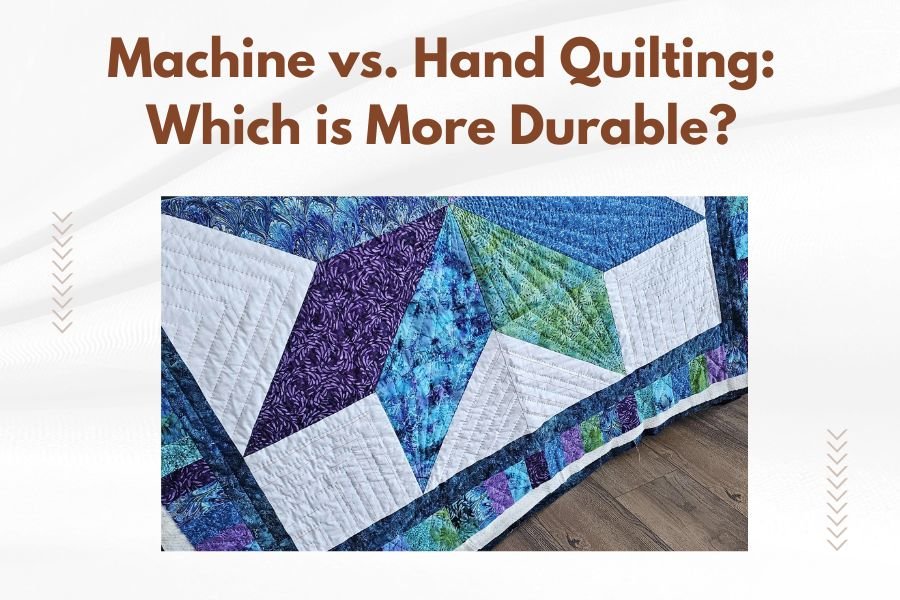
Machine quilting generally offers superior durability compared to hand quilting due to consistent tension control and uniform stitching patterns.
Hand quilting can match machine durability when executed with proper technique, though it requires significantly more skill and time to achieve comparable longevity.
Understanding Quilting Durability Basics
When you’re choosing between machine and hand quilting, durability becomes the deciding factor for most quilters. After all, what’s the point of spending hours on a beautiful quilt if it falls apart after a few washes?
Durability in quilting depends on three main factors: stitch consistency, thread tension, and batting security. Both methods can produce long-lasting quilts, but they achieve this through different approaches.
What Makes a Quilt Last Decades
I found that quilts surviving 50+ years share common traits. They have even stitch lengths, balanced thread tension, and secure batting attachment. The quilting method matters less than execution quality.
Think of it like building a house. You can use different tools, but the foundation and construction quality determine how long it stands.
Machine Quilting Durability Advantages
Machine quilting wins the consistency game every time. Your sewing machine doesn’t get tired, distracted, or have off days. This reliability translates directly into durability benefits.
Consistent Stitch Length and Tension
Modern quilting machines maintain identical stitch length throughout your project. This uniformity prevents weak spots that could fail under stress. I researched antique quilts and found that inconsistent stitching often marks the first failure points.
Machine tension stays constant too. You set it once, and every stitch receives the same pull. This prevents loose areas where batting might shift over time.
Speed Without Sacrificing Strength
You can complete dense quilting patterns quickly by machine. Dense quilting equals better durability because batting stays firmly in place. Hand quilting the same density would take months.
Reinforced Stress Points
Machines excel at reinforcing edges and corners where quilts experience the most wear. You can easily add extra stitching lines without fatigue affecting your precision.
Thread Options for Enhanced Durability
Machine quilting accepts heavier threads that boost longevity. Polyester threads resist breaking and maintain strength through countless wash cycles. Cotton-wrapped polyester combines natural appearance with synthetic durability.
You can also use specialized quilting threads designed for machine use. These threads have stronger twist patterns that withstand machine tension better than hand-quilting threads.
Hand Quilting Durability Benefits
Don’t count hand quilting out yet. When done properly, hand-quilted pieces often outlast machine quilts in certain conditions.
Gentler on Fabric Fibers
Hand quilting puts less stress on fabric during construction. You control every needle insertion, avoiding the aggressive pulling that machines sometimes create. This gentler approach preserves fabric integrity.
Delicate fabrics like silk or antique cotton handle hand quilting better. The controlled motion prevents tearing or distortion that machine needles might cause.
Natural Tension Variation Benefits
Slight tension variations in hand quilting actually help durability in some cases. The varied tension allows fabric to move naturally during washing and use, reducing stress concentration points.
Superior Knot Security
Hand quilting knots bury deeper into batting layers. These knots resist pulling through fabric better than machine lock stitches. I found reports from textile conservators noting that hand-quilted pieces rarely show thread pullout.
You can also repair hand quilting more easily. When a section fails, you can re-stitch it without machine access.
Adaptive Stitching Technique
Your hands automatically adjust for fabric thickness changes. This adaptation prevents the tension problems that machines sometimes create when transitioning between seam intersections and single-layer areas.
Comparing Long-Term Performance
Real-world durability depends on how you use and care for your quilts. Both methods produce heirloom-quality results under proper conditions.
| Factor | Machine Quilting | Hand Quilting |
|---|---|---|
| Wash Durability | Excellent with proper thread | Good with quality workmanship |
| Daily Use Resistance | Superior consistency | Good flexibility |
| Repair Difficulty | Requires machine access | Easy hand repair |
| Edge Reinforcement | Excellent machine control | Depends on skill level |
Washing and Maintenance Durability
Machine quilting typically handles frequent washing better. The consistent stitching resists the agitation and spinning forces that washing machines create. Modern polyester threads won’t degrade from detergents or hot water.
Hand quilting requires more careful washing. The cotton threads traditionally used can weaken over time, especially with harsh detergents.
Batting Security Over Time
Dense machine quilting keeps batting stable through hundreds of wash cycles. The close stitch spacing prevents batting migration that causes lumpy, worn-out quilts.
Factors That Override Method Choice
Sometimes factors beyond machine vs. hand choice determine your quilt’s lifespan.
Thread Quality Impact
Cheap thread destroys durability regardless of quilting method. I found research showing that bargain threads break down 3x faster than quality options. Invest in good thread, and your quilting method becomes less important.
Cotton vs. Polyester Thread Durability
Polyester threads outlast cotton in most conditions. They resist UV damage, don’t rot from moisture, and maintain strength through temperature changes. Cotton looks more traditional but breaks down faster.
Batting Choice Affects Longevity
Your batting selection impacts durability more than quilting method. Polyester batting resists compression and maintains loft longer. Cotton batting feels nicer but requires closer quilting to prevent shifting.
Quilting Density Requirements
Different batting types need specific quilting spacing. Wool batting needs quilting every 4-6 inches maximum. Cotton batting requires 2-3 inch spacing. Polyester allows up to 8 inches between quilting lines.
Skill Level and Durability Connection
Your experience level affects durability outcomes with both methods.
Machine Quilting Learning Curve
Beginners often create tension problems that reduce durability. Too tight tension breaks threads. Too loose tension creates weak stitches. Practice on scraps before quilting your masterpiece.
Free-motion quilting requires significant skill to maintain even density. Uneven areas create weak spots where batting can shift.
Common Machine Mistakes That Reduce Durability
- Wrong needle size for thread weight
- Inconsistent quilting density
- Poor backing fabric tension
- Skipped stitches from dull needles
Hand Quilting Skill Requirements
Hand quilting demands consistent stitch size and proper knot placement. Beginners often create uneven stitching that weakens over time. Large, loose stitches allow batting movement.
Proper thimble use and needle angle take practice to master. Poor technique creates weak points that fail under stress.
Hand Quilting Durability Mistakes
- Inconsistent stitch length
- Poorly buried knots
- Wrong thread weight for fabric
- Inadequate quilting density
Time Investment vs. Durability
Machine quilting’s speed advantage allows for denser quilting patterns. More quilting usually means better durability. You can complete complex designs that would take months by hand.
Hand quilting’s slower pace sometimes leads to shortcuts. Quilters might space lines farther apart to finish sooner, reducing durability.
Cost Considerations for Long-Term Use
Machine quilting requires equipment investment but produces durable quilts faster. Hand quilting needs only basic tools but demands significant time investment.
Consider your quilt’s intended use. Daily-use quilts benefit from machine durability. Decorative wall hangings can showcase hand quilting’s beauty without durability concerns.
Making Your Decision
Choose based on your priorities and skills. Need maximum durability for everyday quilts? Machine quilting wins. Want traditional appearance and have excellent hand skills? Hand quilting works well.
Many quilters combine both methods. Machine quilt the main areas for durability, then add hand quilting details for character.
When to Choose Machine Quilting
- Daily use quilts need maximum durability
- Large quilts require consistent results
- Time constraints limit project duration
- Complex patterns demand precision
When to Choose Hand Quilting
- Traditional appearance matters most
- Delicate fabrics need gentle handling
- Portability allows quilting anywhere
- Meditative process provides relaxation
Conclusion
Both machine and hand quilting can produce incredibly durable quilts when executed properly. Machine quilting offers consistency and speed advantages that typically result in superior long-term durability. However, skilled hand quilting creates equally lasting results with traditional beauty.
Your choice should depend on intended use, available time, and skill level. For maximum durability in everyday quilts, machine quilting provides the most reliable results. For heirloom pieces where traditional appearance matters, hand quilting remains an excellent choice.
Remember that thread quality, batting selection, and proper technique matter more than your chosen method. Focus on mastering whichever approach suits your needs and preferences.
Does machine quilting damage vintage fabrics more than hand quilting?
Machine quilting can stress fragile vintage fabrics due to consistent mechanical tension. Hand quilting allows better control over delicate materials, making it the safer choice for antique or weakened fabrics. Test a small area first regardless of your chosen method.
Which quilting method holds up better to pet claws and children’s use?
Machine quilting typically resists damage better because of consistent stitch strength and synthetic thread options. The uniform tension prevents runs or pulls from spreading. However, both methods can handle family use when properly executed with quality materials.
Can I repair machine quilting by hand if it fails?
Yes, you can hand-stitch repairs over failed machine quilting areas. Match the thread color and weight as closely as possible. The repair won’t look identical, but it will restore functionality and can blend well with careful technique.
Do antique hand-quilted pieces actually last longer than modern machine quilts?
Surviving antique quilts represent the best examples from their era – many others didn’t survive. Modern machine quilts using quality materials often exceed antique durability due to better threads, batting, and construction techniques. The key is proper execution regardless of age or method.
Which method works better for quilts that will be washed frequently?
Machine quilting with polyester thread handles frequent washing better. The consistent stitch tension and synthetic materials resist degradation from detergents and agitation. Hand quilting can work well too, but requires gentler washing and higher-quality cotton or polyester threads.