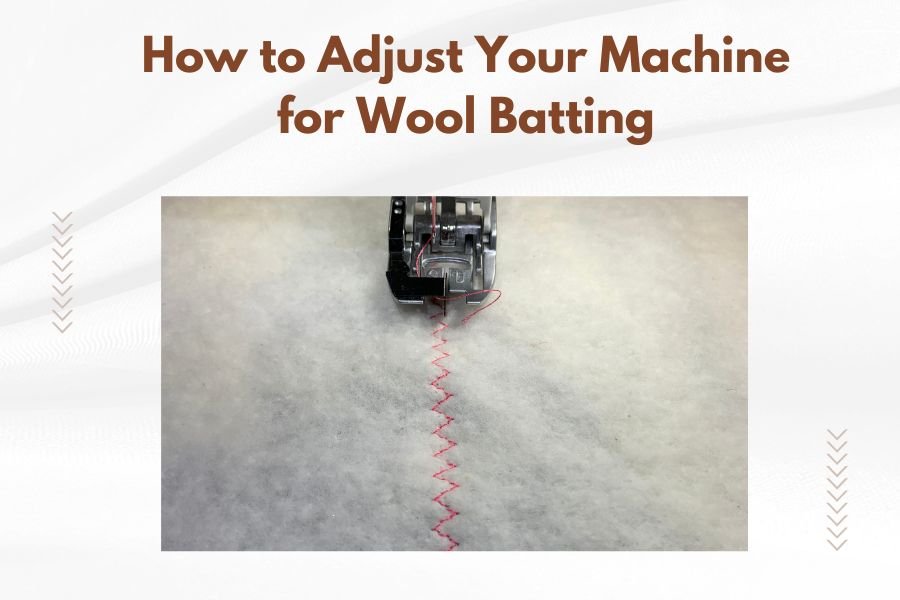
Adjusting your machine for wool batting requires lowering tension, using a longer stitch length, and reducing presser foot pressure to prevent stretching and distortion.
The key differences for wool batting involve slower quilting speed, specialized needles, and careful temperature control to protect the natural fibers.
Understanding Wool Batting Basics
Wool batting behaves differently from cotton or polyester. It’s more elastic and heat-sensitive. When you quilt with wool, you’re working with natural fibers that can shrink, felt, or stretch if handled wrong.
I found that many quilters struggle with wool because they use the same settings as cotton batting. This leads to puckering, stretching, and uneven stitches. Wool needs gentler treatment.
Why Wool Batting Needs Special Settings
Wool fibers have natural crimp and elasticity. They compress more than synthetic materials when pressed by your machine’s presser foot. This compression can cause uneven feeding through your machine.
The natural oils in wool also affect how your needle moves through the layers. You might notice more resistance or skipped stitches if your settings aren’t right.
Essential Machine Adjustments for Wool
Thread Tension Settings
Lower your top thread tension by 1-2 numbers from your cotton setting. Start with a tension of 3-4 if you normally use 5-6 for cotton. Test on scraps first.
Check your bobbin tension too. It should be slightly looser than normal. Drop your bobbin case with thread – it should fall about 2-3 inches before stopping, not just 1 inch like with cotton.
Testing Your Tension
Make a test sandwich with your wool batting and fabrics. Quilt a few lines. Look at both sides of your work. The stitches should look balanced – not loose on top or bottom.
If you see puckering, your tension is too tight. If stitches look loose and loopy, your tension is too loose.
Stitch Length Adjustments
Use longer stitches for wool batting – about 8-10 stitches per inch instead of 10-12. This gives the wool fibers room to move naturally without creating too many holes.
Shorter stitches can perforate the wool batting and weaken it over time. They also increase the chance of puckering because you’re pulling the fabric through more often.
Presser Foot Pressure Changes
Reduce your presser foot pressure if your machine allows it. Wool batting is loftier than cotton or polyester. Too much pressure flattens it and can cause uneven feeding.
Many modern machines have adjustable presser foot pressure. Start by reducing it by 25-30% from your normal setting. Test on scraps to find the sweet spot.
Walking Foot Considerations
A walking foot helps feed all layers evenly, which is extra important with wool’s elastic nature. The upper feed dogs help prevent the top layer from shifting or stretching.
If you don’t have a walking foot, consider getting one for wool projects. It makes a noticeable difference in stitch quality and reduces stretching.
Speed and Timing Adjustments
Slower Quilting Speed
Quilt at 60-70% of your normal speed when working with wool batting. Fast quilting can generate heat, which may cause wool to felt or shrink slightly.
Slower speed also gives you better control. Wool’s elasticity means small mistakes can become bigger problems quickly. Take your time.
Heat Management
Stop every 15-20 minutes to let your machine cool down. Wool is sensitive to heat, and a hot needle can damage the fibers. Some quilters even change needles more frequently when working with wool.
Needle Selection for Wool Batting
Use a sharp or microtex needle, size 80/12 or 90/14. These needles pierce cleanly through wool fibers without pushing them aside like ballpoint needles do.
Change your needle more often than usual – after every 6-8 hours of quilting instead of 8-10 hours. Wool can dull needles faster than cotton batting.
Thread Choices That Work
Cotton thread works well with wool batting. It has similar stretch properties and won’t cut through the wool fibers over time. Polyester thread can work but avoid super-strong threads that might cut the batting.
Some quilters prefer wool thread for wool batting projects. It matches the batting’s properties perfectly, though it requires more careful tension adjustment.
Basting and Preparation Tips
Spray Basting vs Pin Basting
I found that spray basting works better for wool than pin basting. Pins can distort wool batting by compressing it unevenly. Spray basting keeps the loft more consistent.
If you pin baste, use fewer pins and place them more carefully. Check that you’re not creating puckers or flat spots around each pin.
Handling Before Quilting
Let wool batting relax for 24 hours after unpacking. Wool can be compressed during shipping and needs time to regain its full loft.
Don’t pre-wash wool batting unless the manufacturer recommends it. Most wool battings are pre-treated and washing can cause unwanted shrinkage or felting.
Common Problems and Solutions
| Problem | Likely Cause | Solution |
|---|---|---|
| Stretching | Too much presser foot pressure | Reduce pressure, use walking foot |
| Puckering | Tension too tight | Lower thread tension by 1-2 numbers |
| Skipped stitches | Wrong needle or dull needle | Use sharp needle, change more often |
| Uneven feeding | No walking foot | Install walking foot or reduce speed |
Fixing Stretched Areas
If you notice stretching while quilting, stop immediately. Gently steam the area with an iron held 2-3 inches above the fabric. Let it cool and relax before continuing.
Don’t press directly on wool batting with a hot iron. The heat and pressure can felt the wool, making it stiff and flat.
Finishing Touches for Wool Projects
Binding Considerations
Wool batting creates more loft at the edges. Cut your binding strips slightly wider than normal – add about 1/4 inch to account for the extra thickness.
Use the same gentler settings when attaching binding. The extra loft means more bulk to sew through at the edges.
Final Pressing
Press your finished quilt on a low heat setting with steam. Use a pressing cloth to protect the wool batting from direct heat contact.
Let the quilt cool completely before moving it. Wool can stretch when warm and needs to cool in its final shape.
Maintenance and Care Tips
Clean your machine more often when working with wool. Wool fibers can shed slightly, creating more lint buildup around your bobbin case and feed dogs.
Oil your machine according to manufacturer instructions, possibly more frequently during wool projects. The different working conditions can affect your machine’s performance.
Storage Between Sessions
Store partially completed wool projects flat when possible. Hanging or folding can stretch the wool batting unevenly, creating problems when you resume quilting.
If you must fold, use tissue paper at fold lines to reduce creasing of the wool batting.
Conclusion
Adjusting your machine for wool batting isn’t difficult once you understand the key differences. Lower tension, longer stitches, reduced presser foot pressure, and slower speed are your main adjustments. These changes respect wool’s natural properties and help you create beautiful, professional-looking quilts.
Remember to test your settings on scraps before starting your actual project. Each wool batting brand can behave slightly differently, so take time to find the perfect settings for your specific materials. With these adjustments, you’ll find wool batting creates wonderfully warm, lightweight quilts that last for generations.
Can I use regular cotton settings for thin wool batting?
No, even thin wool batting needs adjusted settings. The fiber structure is different from cotton, so you should still reduce tension and presser foot pressure, though perhaps not as much as with thick wool batting.
What should I do if my wool batting keeps jamming in the machine?
This usually means your presser foot pressure is too high or your needle is dull. Try reducing pressure first, then change to a fresh sharp needle. Also check that you’re not pulling the fabric while quilting.
Is it normal for wool batting to shed fibers while quilting?
Some light shedding is normal with wool batting, especially when it’s new. Clean your machine more frequently and consider using a thread net or similar tool to catch loose fibers before they enter your machine.
Should I pre-treat wool batting before quilting?
Most wool battings are ready to use without pre-treatment. Check the manufacturer’s instructions first. If pre-treatment is recommended, follow their specific guidelines to avoid shrinkage or felting.
Why does my quilting look wavy after using wool batting?
Wavy quilting usually indicates uneven tension or that you stretched the batting while quilting. Check your tension settings and make sure you’re not pulling the quilt through the machine – let the feed dogs do the work.